Article Type
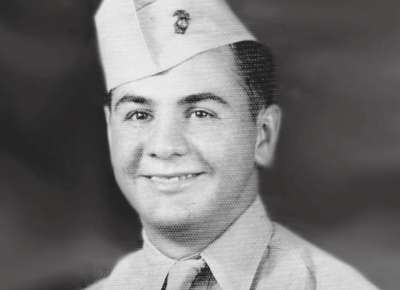
Mike “Iron Mike” Mervosh, 4th Marine Division
Mike Mervosh describes his experience with the flag raising on Iwo Jima.
Mike Mervosh describes his experience with the flag raising on Iwo Jima.
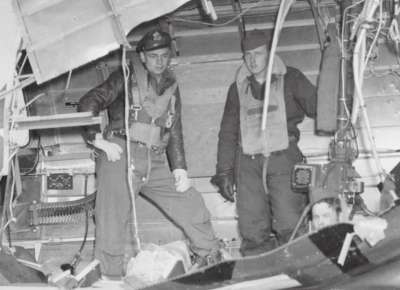
Herbert Heilbrun describes the Christmas 1944 mission he took part in to bomb the oil refineries at Brux, Czechoslovakia and how well defended the area was.
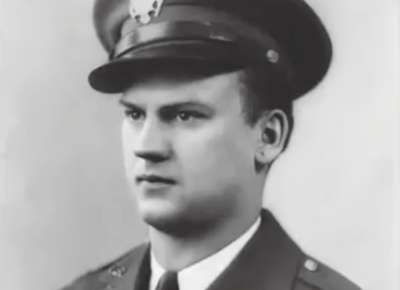
Stanley Wolczyk discusses his experiences on Attu in May 1943 and being wounded late in the fight, a wound which ended his Army service.
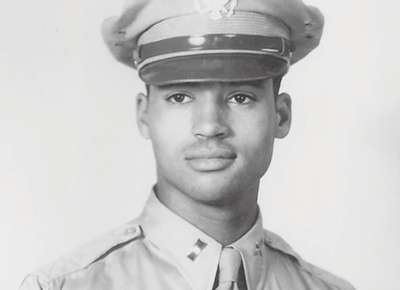
Charles McGee discusses flying bomber escort for 15th Air Force heavy bombardment groups and downing a German Focke Wulf Fw 190 during one of those missions.
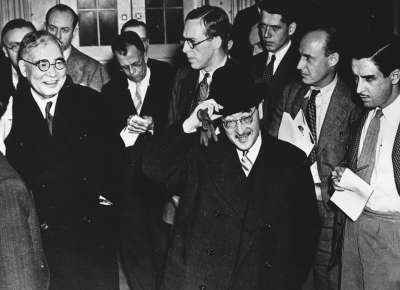
Misguided Japanese diplomacy in 1945 helped to ensure that the war would not have a peaceful end.

Share the perfect holiday experience with your little ones, and make memories they’ll treasure for years to come!
Share the perfect holiday experience with your little ones, and make memories they’ll treasure for years to come!
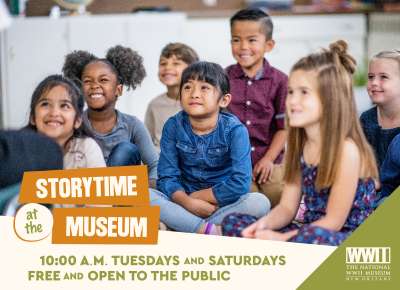
Spark your child's love of history with our WWII-themed storytime experience.