Article Type
Billy Michal
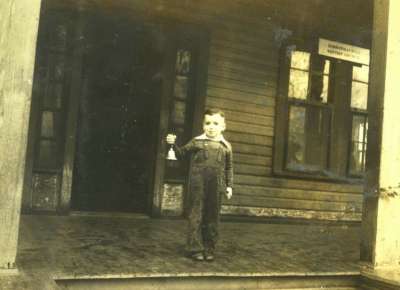
An unlikely victory by a tiny Rapides Parish school in a statewide Louisiana “scrapping” drive during World War II left a lasting legacy.
An unlikely victory by a tiny Rapides Parish school in a statewide Louisiana “scrapping” drive during World War II left a lasting legacy.
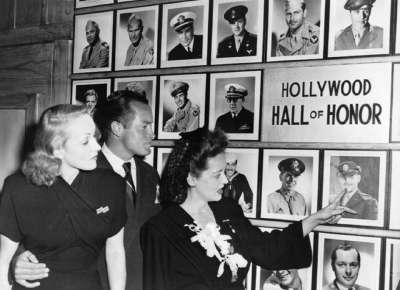
Servicemen could dance with Betty Grable, be served a sandwich by Shirley Temple, and watch performances by Bob Hope and Carmen Miranda. Roy Rogers even rode his horse, Trigger, right onto the stage for some prancing tricks.
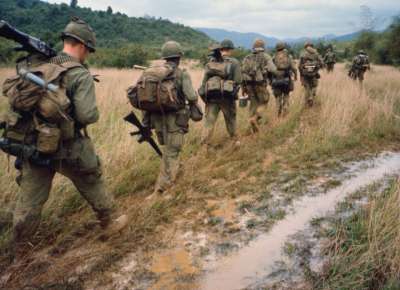
As the premiere episode of the new PBS documentary miniseries shows, America’s involvement in Vietnam can be tracked back to World War II.
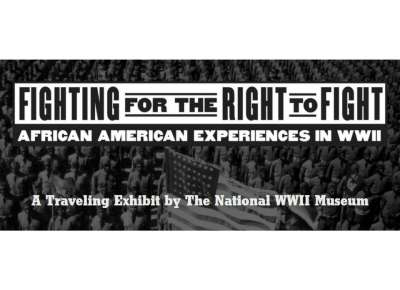
The traveling exhibit tells the story of how World War II became the major catalyst in the 20th century for African Americans seeking change in their fortunes, both on the Home Front and in the American military.
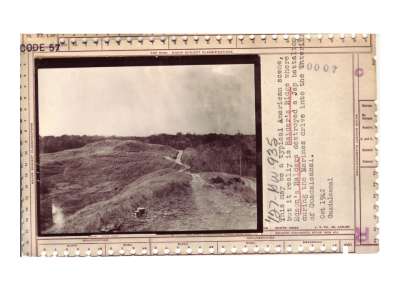
The Japanese continued to push hard to take Henderson Field, yet they never got as close to victory as they had the night of the attack on Edson’s Ridge
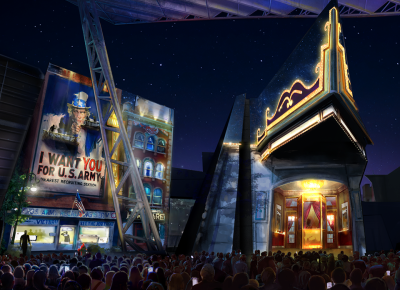
The Museum's outdoor sound and light show features incredible music, stunning imagery, festive snacks and beverages, and 90-foot-tall projections.
The Museum's outdoor sound and light show features incredible music, stunning imagery, festive snacks and beverages, and 90-foot-tall projections.
The Museum's outdoor sound and light show features incredible music, stunning imagery, festive snacks and beverages, and 90-foot-tall projections.