Article Type
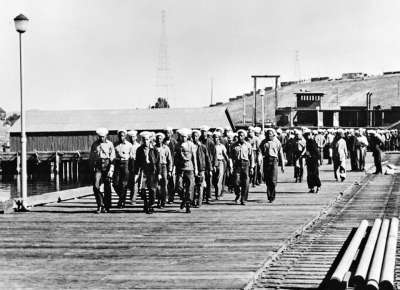
The Port Chicago 50 at 76: Time for Exoneration by Thurgood Marshall, Jr. and John A. Lawrence
July 17 marks the 76th anniversary of the Port Chicago Disaster. The Port Chicago 50 have yet to be exonerated.
July 17 marks the 76th anniversary of the Port Chicago Disaster. The Port Chicago 50 have yet to be exonerated.
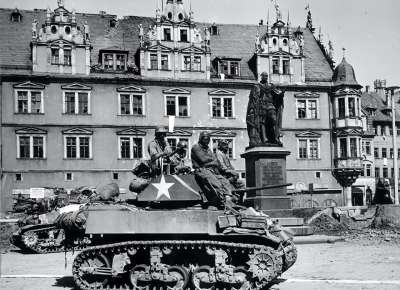
The African American Black Panthers of the 761st Tank Battalion completed their distinguished combat record by breaching Germany's Siegfried Line and crossing the Rhine in 1945.
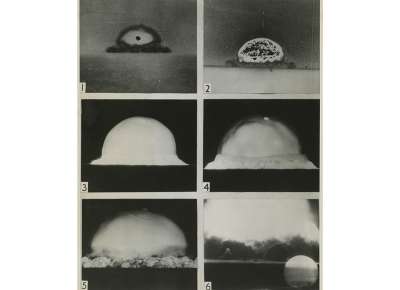
On July 16, 1945, the world’s first atomic bomb detonated in the New Mexican desert, releasing a level of destructive power unknown in the existence of humanity. Emitting as much energy as 21,000 tons of TNT and creating a fireball that measured roughly 2,000 feet in diameter, the first successful test of an atomic bomb, known as the Trinity Test, forever changed the history of the world.
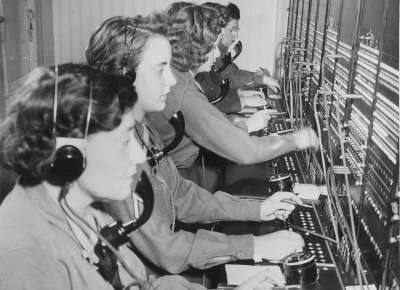
As Allied troops gained ground in Europe, members of the Women’s Army Corps [WAC] were there to serve. Bringing vital communication skills, they jumped into seats at switchboards still warm from the enemy operators who had just vacated their posts. In July 1945, the WAC telephone operators were selected to manage the "Victory switchboard" at the Potsdam Conference.
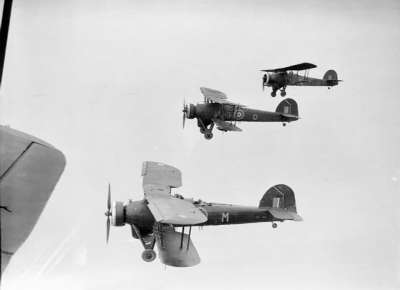
The British torpedo bomber strike on the Italian naval base of Taranto in November 1940 changed the balance of power in the Mediterranean, and set the stage for the Japanese attack on Pearl Harbor.
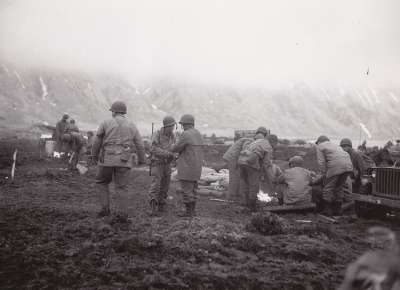
In 1943, the US Army’s 7th Infantry Division captured Attu in the Western Aleutians, effectively removing the Japanese threat from America’s backyard.
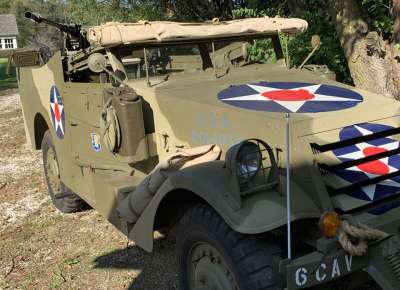
Although the star was used as the main identification for Allied vehicles in World War II, its design changed over time.
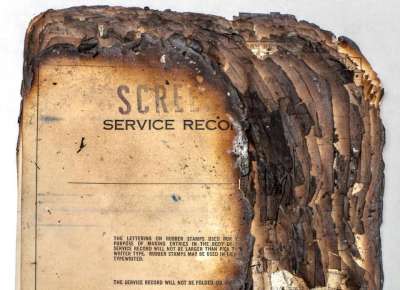
In 1973 a devastating fire in the National Personnel Records Center destroyed about 17 million military personnel files. A loss with long-lasting repercussions, it affects our understanding and knowledge of many individual WWII stories.
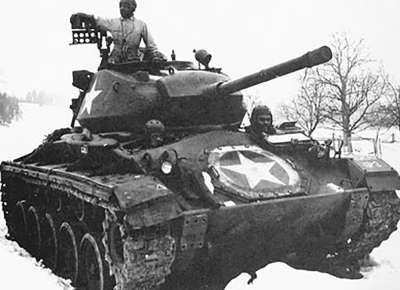
By January 1945 the African American soldiers of the 761st Tank Battalion, the Black Panthers, were battle-tested veterans. But they would encounter one of their toughest fights in January 1945 during the Battle of the Bulge.
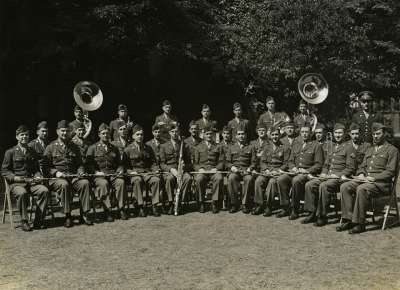
The 156th Infantry Band from Louisiana brought a New Orleans flair to one of the most influential postwar moments in Europe, when they were selected to provide the musical backdrop for the Potsdam Conference as the “house band” at the Little White House.