Article Type
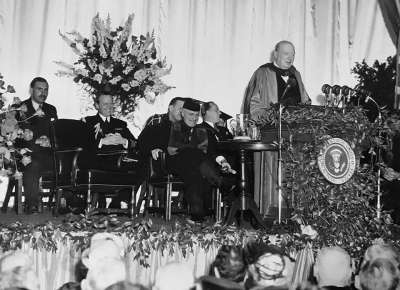
Winston Churchill’s Iron Curtain Speech—March 5, 1946
Churchill’s famed “Iron Curtain” speech ushered in the Cold War and made the term a household phrase.
Churchill’s famed “Iron Curtain” speech ushered in the Cold War and made the term a household phrase.
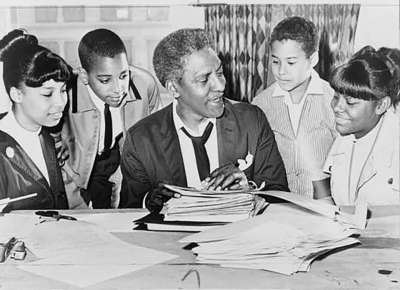
For civil rights leader Bayard Rustin, World War II was a crucial time when he explored nonviolent direct action as a philosophy and a method for challenging racial inequality.
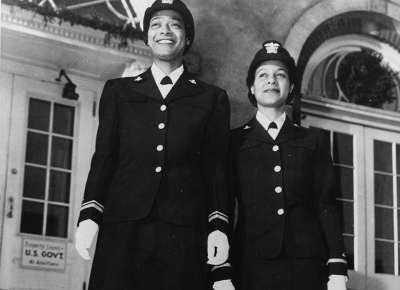
In December 1944, Harriet Pickens and Frances Wills became the first African American WAVES officers.
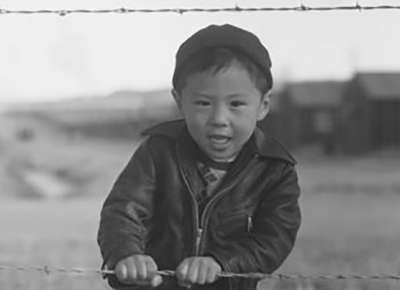
The Museum highlights educational resources for teachers and students that can be used to explore Japanese American incarceration.
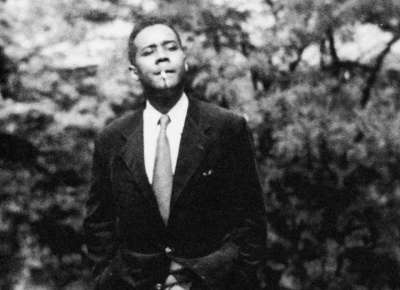
C.L.R. James (1901-1989) called for mass resistance to Mussolini’s invasion of Ethiopia in 1935.
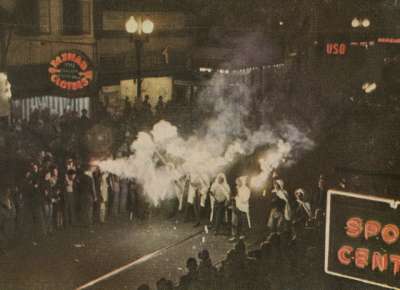
After four years of cancelled celebrations, Mardi Gras returned in 1946. For the veteran flambeaux carriers—a dangerous and physically taxing job—the need for better wages resulted in a historic strike that caused “a post-war rude awakening.”
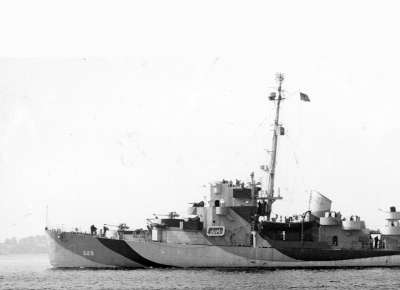
USS Mason was the first US Navy fleet vessel crewed by a majority of African American sailors.
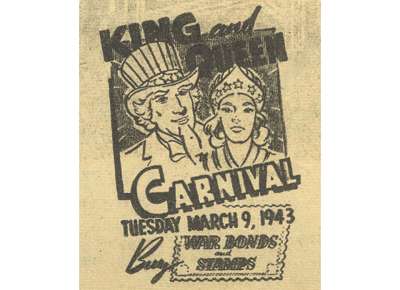
In the four years of war, Americans on the home front were asked to do their part and to go without certain items for the sake of the war effort. For residents of New Orleans, World War II also meant going without Mardi Gras.
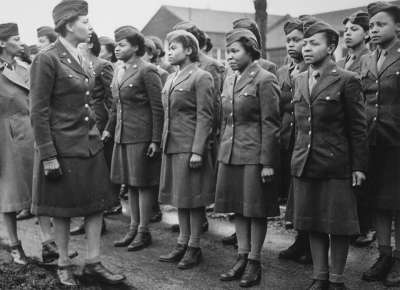
On February 3, 1945, the US Army sent over 800 Black women overseas to England aboard the SS Ile de France. Their mission was unknown to them.
This new series features master’s student papers from the University of New Orleans. The first submission delves into American memory of World War II.