Article Type
The British Raid on St. Nazaire: Part II
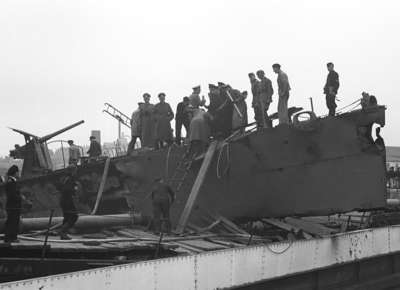
As part of the March 1942 raid, British commandos were to disrupt vital harbor facilities.
As part of the March 1942 raid, British commandos were to disrupt vital harbor facilities.
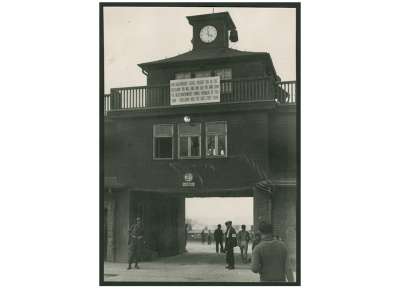
Tensions arose almost immediately in Buchenwald between liberators and liberated.
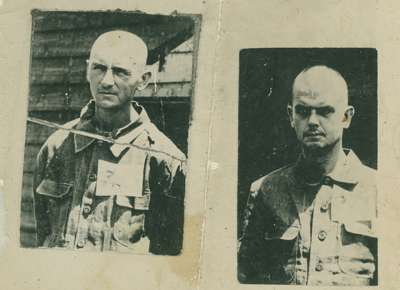
POWs were a major focus of the war crimes trials in the Pacific. Former POWs like Sgt. Peter Dzimba were called on to speak for those who could no longer speak for themselves.
The conclusion of World War II in Europe brought in its wake the largest movement of peoples and populations in European history.
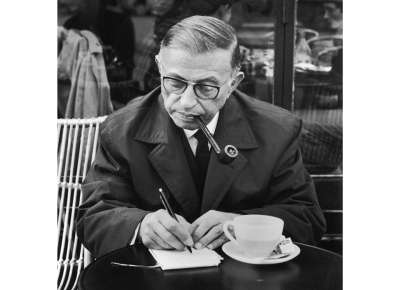
The importance of World War II to Jean-Paul Sartre’s life and thought is often overlooked.
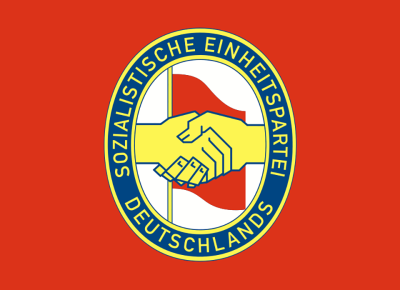
On April 21, 1946, two political parties united, creating a single, dominant party in what became East Germany.
On April 19, 1946, the League of Nations dissolved, ending 26 years of the existence of an organization which had proven incapable of preventing World War II.
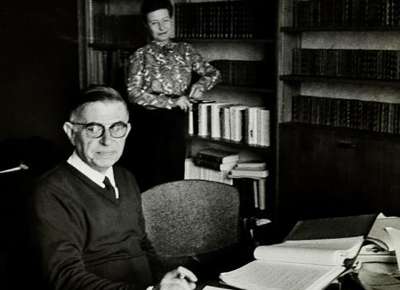
The importance of World War II to Jean-Paul Sartre’s life and thought is often overlooked.

Throughout his life, FDR’s Little White House in Warm Springs became an important location from his time as Governor of New York until his death on April 12, 1945.
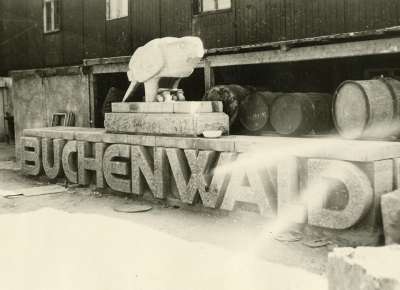
American personnel faced a humanitarian catastrophe when they liberated Buchenwald Concentration Camp.