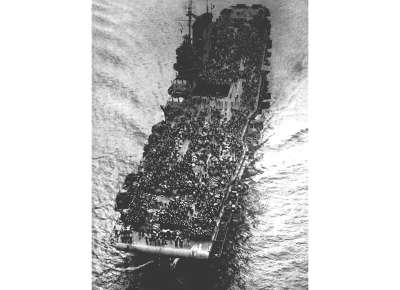
Lunchbox Lecture: "Operation: Magic Carpet" by Collin Makamson
Join us for a digital Lunchbox Lecture about the last great troop movement of World War II—Operation: Magic Carpet.
Join us for a digital Lunchbox Lecture about the last great troop movement of World War II—Operation: Magic Carpet.
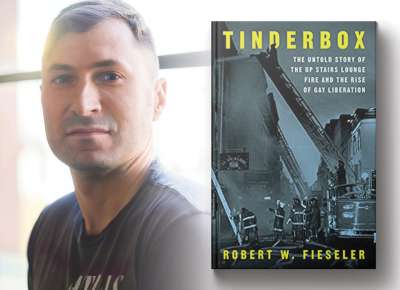
Robert Fieseler, in conversation with Dr. Ed Lengel, will discuss this award-winning book which chronicles the events of that night, the controversies in the aftermath of the fire and the activism that followed and proved essential to the emergence of a fledgling gay movement.
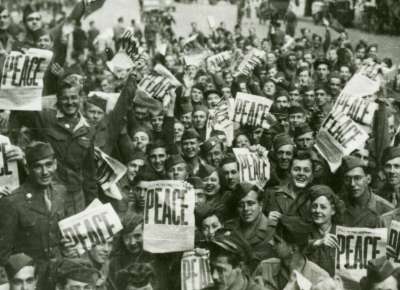
Join us for a digital ceremony to commemorate the 75th anniversary of V-J Day.
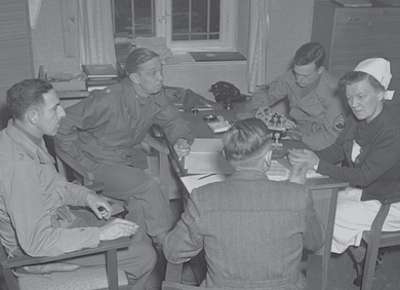
This conversation with Patricia Heberer-Rice, PhD, focuses on the Nazi T-4 program for the murder of the disabled and the 1945 trial connected to Hadamar, one of the killing centers.
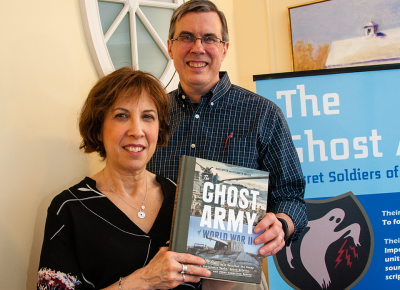
Curator Larry Decuers takes us on an exploration of the Museum’s current special exhibition with special guests Rick Beyer and Elizabeth Sayles, co-authors of The Ghost Army of World War II: How One Top-Secret Unit Deceived the Enemy with Inflatable Tanks, Sound Effects, and Other Audacious Fakery.
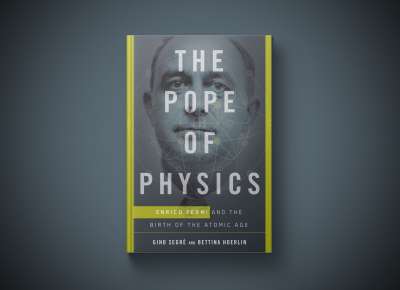
75 years after the dropping of the two atomic bombs, join us for a conversation with Gino Segrè, PhD, and Bettina Hoerlin, PhD, biographers of one of the most critical scientists involved in the Manhattan Project.
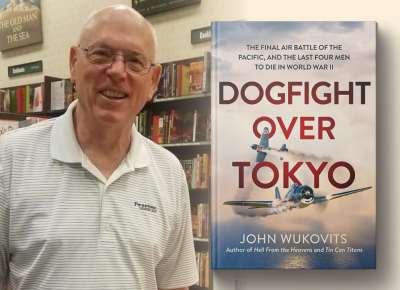
Join us for a conversation with Pacific War historian and best selling author John Wukovits, who will be interviewed about his latest book: Dogfight Over Tokyo.
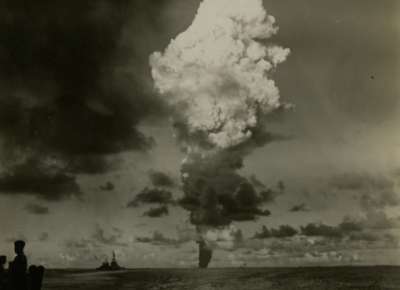
Join Historian Hannah Dailey as she presents on what it means to be an Atomic Veteran.
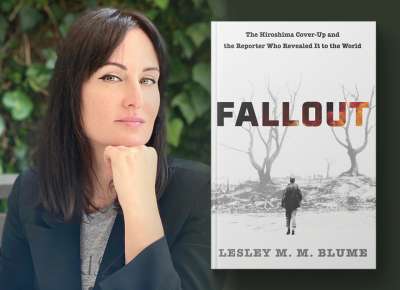
This presentation of FALLOUT, which premiered on the Museum’s Facebook page, recounts how John Hersey got the story that no other journalist could—and how he subsequently played a role in ensuring that no nuclear attack has happened since, possibly saving millions of lives.
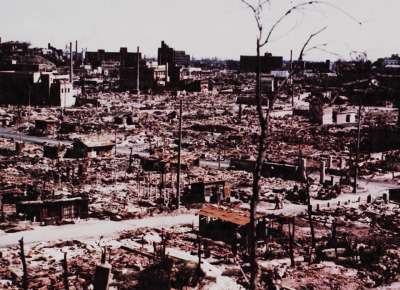
Join us as we reflect on the atomic bombing of Hiroshima 75 years later. The Museum’s Samuel Zemurray Stone Senior Historian, Dr. Rob Citino, will host a discussion on the history, artifacts, and Museum’s educational initiatives about the atomic bomb and Hiroshima.