The Origins of "Cool" in Post-WWII America
The modern usage of the word “cool” surfaced during World War II. Cool was a new concept, a new set of encoded ideas, and a new musical aesthetic. This article explores the idea in a post-WWII context.
Major events are often rooted deeply in the past—the “long fuse” that leads to explosions.
Three groups were at the heart of post-war German fears of revenge: Jewish Holocaust survivors, Eastern European Displaced Persons, and American occupation officials.
During the war, Mexican Americans served in the military and worked on the Home Front to support their country, and when it ended, were no longer willing to accept second-class citizenship.
This essay offers some ways of thinking about how to make sense of the complicated post-war moment through the case of Yugoslavia.
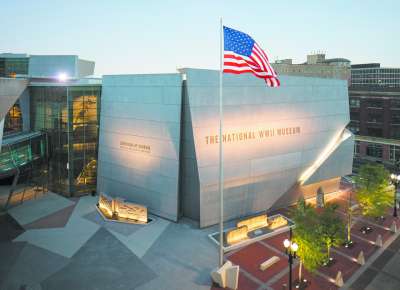
The Museum's outdoor sound and light show features incredible music, stunning imagery, festive snacks and beverages, and 90-foot-tall projections.