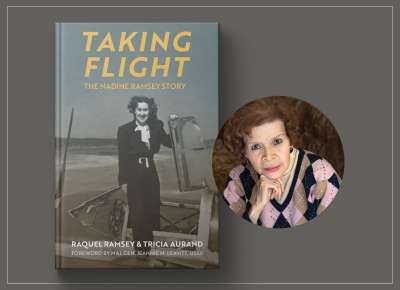
"Taking Flight: The Nadine Ramsey Story"
Join us for a webinar concluding our Women’s History Month programming discussing a pioneer in American aviation.
Join us for a webinar concluding our Women’s History Month programming discussing a pioneer in American aviation.
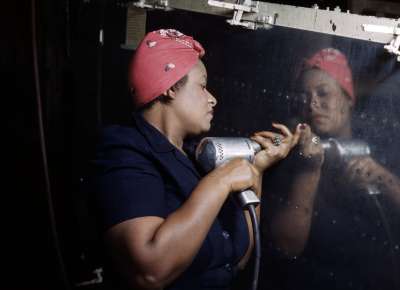
Join The National WWII Museum as we pay tribute to these women and commemorate National Rosie the Riveter Day by hearing from local, modern-day trailblazers about their experiences in the workforce, with a historical overview given by Kim Guise, Senior Curator and Director of Curatorial Services.
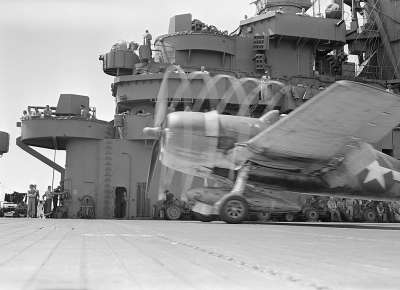
Join exhibit curator Josh Schick as he introduces and discusses the process of creating the Museum’s newest special exhibition, The Real Image of War: Steichen and Ford in the Pacific—on display in the Museum’s Senator John Alario, Jr. Special Exhibition Hall from March 17, 2022, to January 3, 2023.
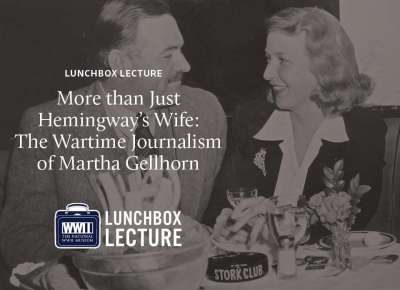
Many may know Martha Gellhorn as one of the many wives of fellow journalist and literary giant, Ernest Hemingway; however, she was so much more. Although just a budding journalist during the Spanish Civil War, Gellhorn would later witness and cover many pivotal moments of World War II and the rest of the 20th century.
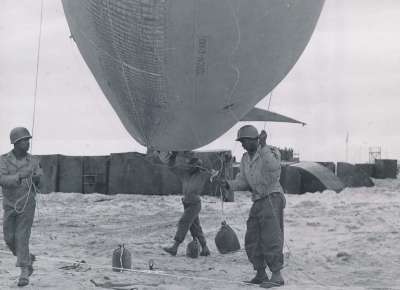
Students will learn about the brave men of the 320th Barrage Balloon Battalion and their extraordinary mission to help protect US soldiers during the D-Day Invasions on June 6, 1944.
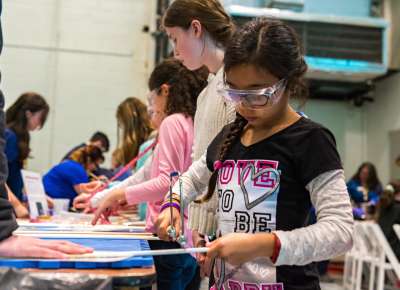
Join us for our second Virtual Innovation Studio! The first 50 families to sign up will receive a FREE Innovation Studio kit, with all of the necessary supplies to follow along with 3 hands-on science and engineering activities at home!
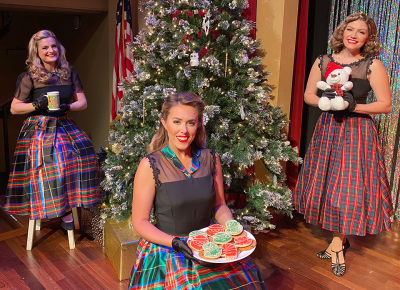
Young guests will be entertained by the Victory Belles, holiday games and a visit from Santa with a special teddy bear gift for all children in attendance.
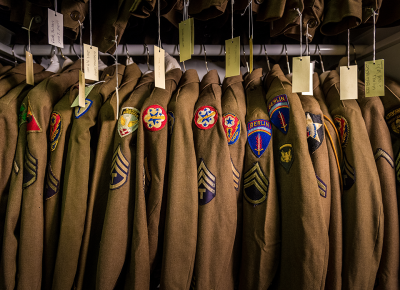
The National WWII Museum’s private Center for Collections & Archives is excited to present rarely seen artifacts from our vault, not available for public viewing, which give voice to the American experience in World War II.