Article Type
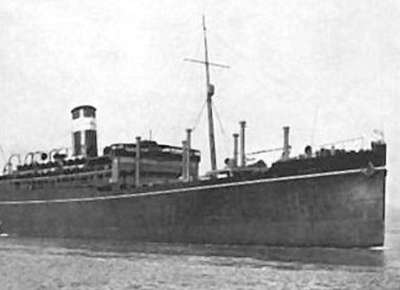
The Sinking of the HMT Rohna
Classified for 50 years, the sinking of the HMT Rohna remains one of the least known—yet most catastrophic—events of World War II.
Classified for 50 years, the sinking of the HMT Rohna remains one of the least known—yet most catastrophic—events of World War II.
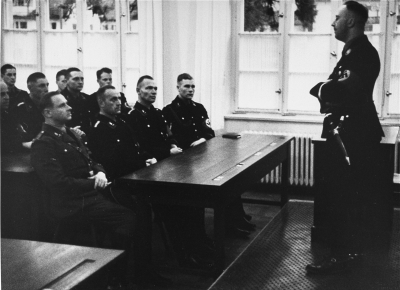
In October 1943, SS leader Heinrich Himmler gave two speeches, showing the full depravity of the exterminationist mindset.
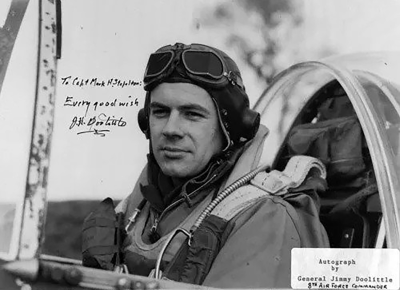
Mark Stepelton flew in some of the most dangerous environments of the war by escorting bombing aircraft over occupied Europe and conducting air interdiction missions, striking enemy targets deep behind the lines.
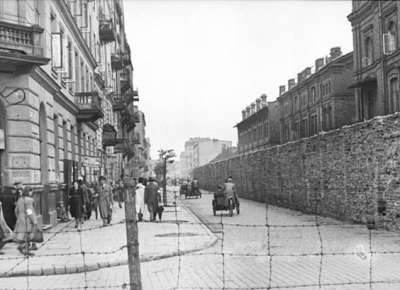
The creation of ghettos during World War II was a key part of Nazi plans to brutally persecute, separate, and eventually liquidate Europe’s Jewish population.
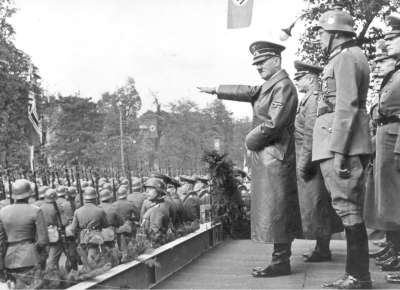
From the beginning, this was to be a different kind of war—a war not only of conquest but also of annihilation.
Explore the Museum's newest special exhibit for an evening of history, conversation, and creativity.
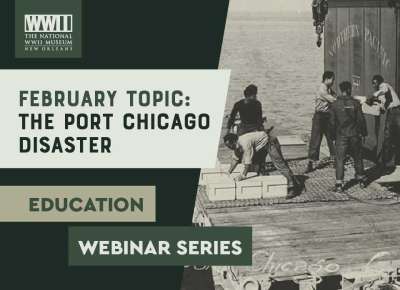
Learn more about the 1944 Port Chicago disaster as part of The National WWII Museum’s education webinar series.
Learn more about the third-bloodiest battle of World War II and the decisive role it played in the campaign to reclaim the Philippines.