D-Day Doctrine: Six Elements for a Successful Landing
Planning the Overlord assault didn’t just happen overnight. It was a result of a prewar doctrinal framework built upon six identified components for an amphibious assault.
This column is the last of three D-Day columns written by war correspondent Ernie Pyle describing the Allied invasion of Normandy.
Despite their early agreement on a strategy focused on defeating “Germany First,” the US and British Allies engaged in a lengthy and divisive debate over how exactly to conduct this strategy before they finally settled on a plan for Operation Overlord, the D-Day invasion of Normandy.
Often referred to as the “Friendly Invasion,” the mixing of Yanks with British subjects often made for a clash of cultures.
The British landing area lay between Port-en-Bessin and Ouistreham where they would link up with 6th British Airborne Division along the Orne River, after their landing to protect the eastern flank of the Allied lodgment.
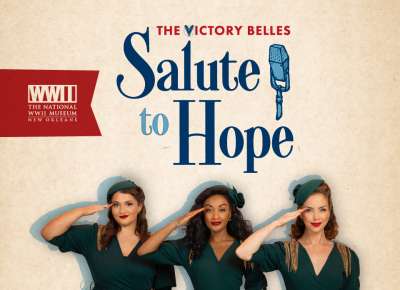
Join our signature vocal trio the Victory Belles for an evening of 1940s tunes paired with our state-of-the-art outdoor sound and light show, Expressions of America.
Join expert historians Mike Neiberg and John McManus to learn about The National WWII Museum's new commemorative voyage from Bordeaux to the beaches of Normandy.
Josephine Baker: From Creole Goddess to Siren of the Resistance, created for and starring Anaïs St. John, was written by Denise Altobello with musical direction by Harry Mayronne.