Article Type
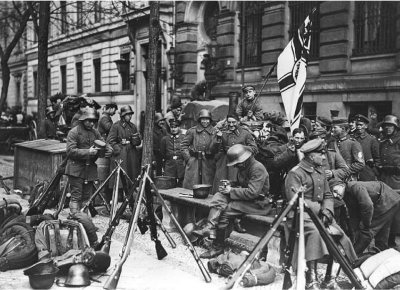
Meet the Freikorps: Vanguard of Terror 1918-1923
The Freikorps were nothing if not the shock troops, the advance guard, of the Third Reich.
The Freikorps were nothing if not the shock troops, the advance guard, of the Third Reich.
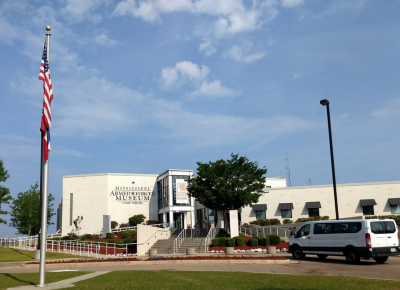
The unveiling of the Camp Shelby Gold Star Memorial Monument was a moving experience for families.
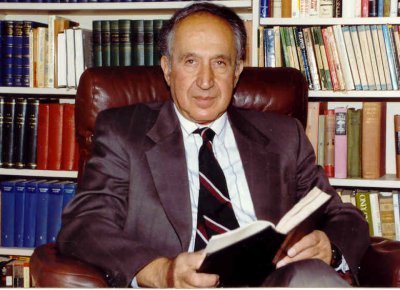
How the GI Bill enabled Richard Pipes to study Russian history at Harvard.
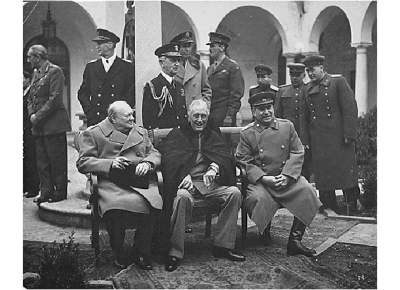
How the looming Cold War convinced Americans to keep troops in Europe after the war.
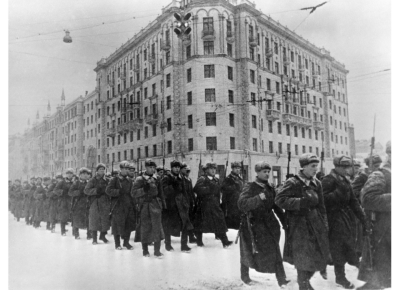
On the connection between the massive Soviet counterattack and the Japanese strike at Pearl Harbor in December 1941.
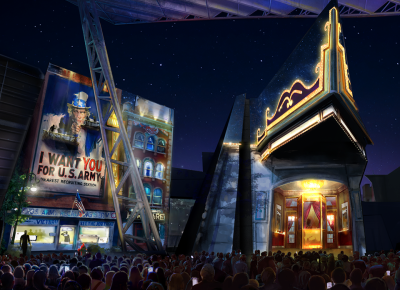
The Museum's outdoor sound and light show features incredible music, stunning imagery, festive snacks and beverages, and 90-foot-tall projections.
The Museum's outdoor sound and light show features incredible music, stunning imagery, festive snacks and beverages, and 90-foot-tall projections.
The Museum's outdoor sound and light show features incredible music, stunning imagery, festive snacks and beverages, and 90-foot-tall projections.