
Article Type
World War II and Popular Culture
World War II touched virtually every part of American life, even things so simple as the food people ate, the films they watched, and the music they listened to.
World War II touched virtually every part of American life, even things so simple as the food people ate, the films they watched, and the music they listened to.
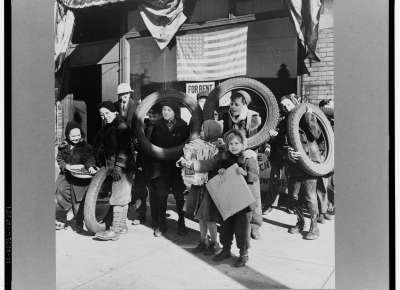
Fighting World War II presented daunting military obstacles overseas, but it also involved serious challenges for American communities on the Home Front.
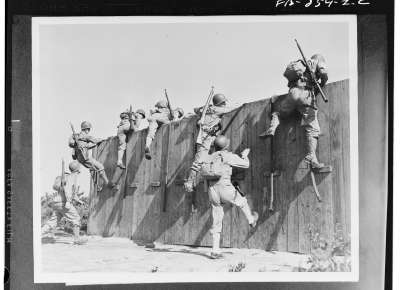
As the United States prepared for war, military leaders had a long list of needs—guns, tanks, ships, and equipment of every kind. One of the things they needed most of all, however, was people.

From our 21st-century point of view, it is hard to imagine World War II without the United States as a major participant. Before the Japanese attack on Pearl Harbor in 1941, however, Americans were seriously divided over what the role of the United States in the war should be, or if it should even have a role at all. Even as the war consumed large portions of Europe and Asia in the late 1930s and early 1940s, there was no clear consensus on how the United States should respond.
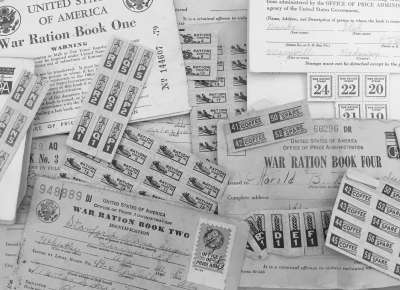
World War II put a heavy burden on US supplies of basic materials like food, shoes, metal, paper, and rubber. The Army and Navy were growing, as was the nation’s effort to aid its allies overseas. Civilians still needed these materials for consumer goods as well. To meet this surging demand, the federal government took steps to conserve crucial supplies, including establishing a rationing system that impacted virtually every family in the United States.

Head to the Patriot Circle Lounge at the Higgins Hotel for a live instrumental showcase of wartime piano music.

Ring in 2024 with a four-course dinner, the unrivaled sounds of the Victory Swing Orchestra, and a celebratory Champagne toast at midnight.

The Museum's outdoor sound and light show features incredible music, stunning imagery, festive snacks and beverages, and 90-foot-tall projections.