Article Type
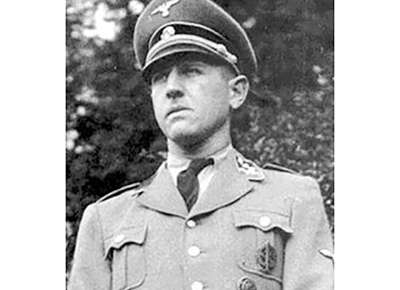
Organizing Genocide: Theodor Dannecker, Eichmann's Deportation Specialist
Theodor Dannecker helped Adolf Eichmann administer a continent-wide genocide.
Theodor Dannecker helped Adolf Eichmann administer a continent-wide genocide.
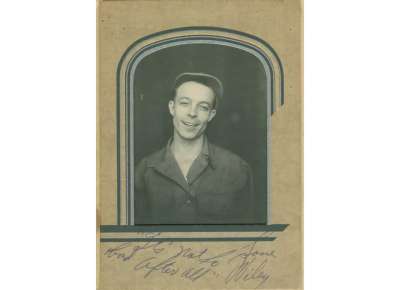
In 1944 and 1945, postal worker turned soldier, Wendell Wiley Wolfenbarger, wrote his wife Ruby and children frequent letters. Sometimes they were postcards, sometimes V-mails, and others were written "sitting on a box by a wood fire, outside of course, writing on my knee."
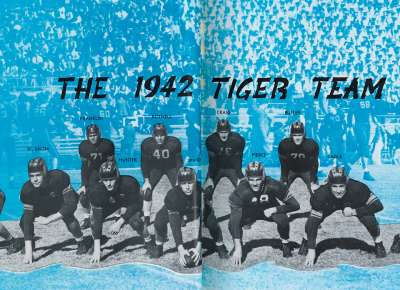
The National WWII Museum wishes to share a snapshot of the two Tiger programs during World War II.
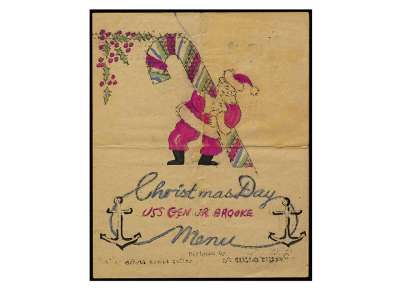
The Museum’s collection contains hundreds of menus from holiday meals shared while in service. The fact that so many of these were saved and mailed or brought home tells us just how important these meals were.
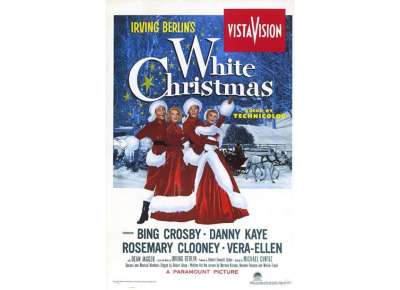
The classic holiday musical White Christmas reveals the impact of military service in World War II.
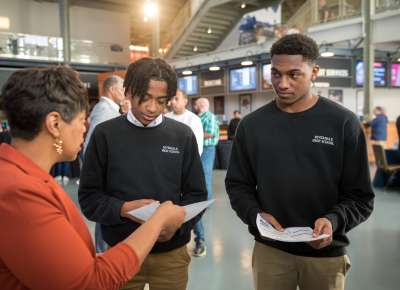
The National WWII Museum invites middle and high school educators to join us for an exciting professional development opportunity presented in partnership with the Intrepid Museum.

Head to The Higgins Hotel for a live instrumental showcase of wartime piano music.
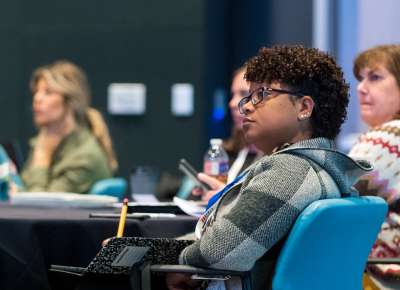
Learn about the history of the United States' decision to use nuclear weapons on Japan and how to teach this event through a range of primary and secondary sources in this free virtual teacher workshop.