John W. “Jack” Vessey, 34th Infantry Division
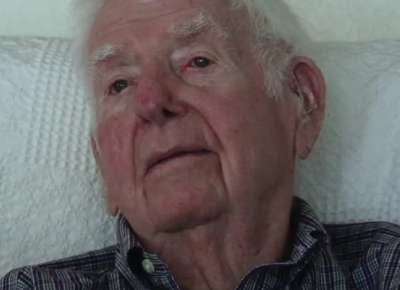
For Jack Vessey, the march through Rome following that city’s liberation was one of the greatest days of the war.
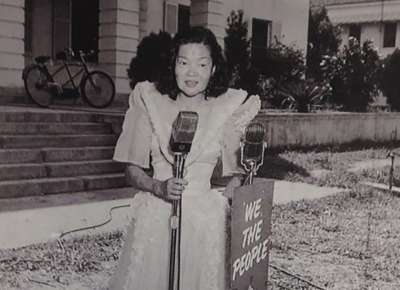
Opal Grapes was one of more than 59,000 nurses in the Army Nurse Corps. Her recollections highlight the highs and lows of nursing wounded men.
The hill in question was code named Sugar Loaf by the Marines. The unassuming little hill did not appear to be anything more than a bump in the road to the Marines who lay in their positions on the morning of May 12, 1945, just a quick objective to take in a day or less. Eight days later they would find out how wrong their assumptions had been.
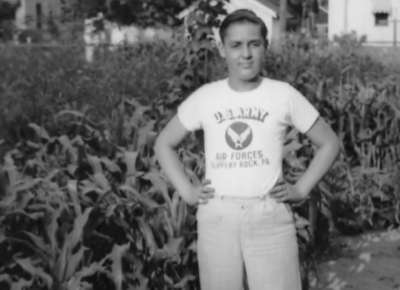
R.V. Burgin and his fellow Marines were dug in on Walt’s Ridge during the Battle of Cape Gloucester.
The technology of the Manhattan Project didn't just find its way into bombs--it powers submarines and other ships today.
Available on the last Saturday of each month, Sensory Friendly Mornings are for individuals of all ages with special needs and their families to enjoy early access to the Museum with modifications to make the experience more sensory friendly.
Join The National WWII Museum's Educational Travel Team and Historian Alexandra Richie to learn about the Megastructures: Forced Labor and Massive Works in the Third Reich tour.
Join The National WWII Museum to learn about environmental protection efforts during World War II and today.