Article Type
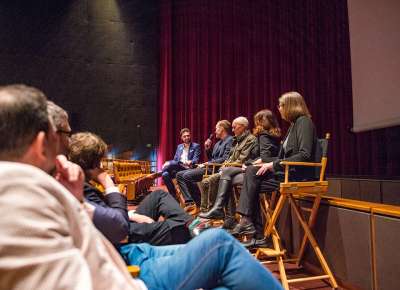
Community Engagement: The Reel History Film Series & Rising to the Call of Duty
Films presented in the Reel History Film series illustrates the power of community and American heroes on the frontlines.
Films presented in the Reel History Film series illustrates the power of community and American heroes on the frontlines.
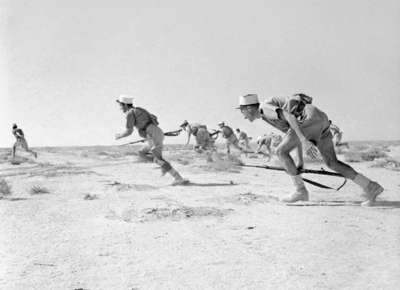
The courageous Free French defense of the remote desert fortress of Bir Hacheim in May 1942 helped turn the tide of the war in North Africa.
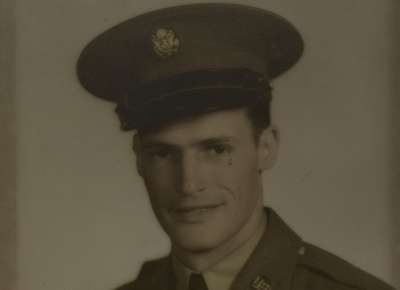
On Memorial Day and every day, the name of Richard McCurdy, killed in action during Operation Torch, and other boys like him should be kept alive and their sacrifices and those of their families remembered. They were and are part of a nation, a city, a neighborhood, and a family.
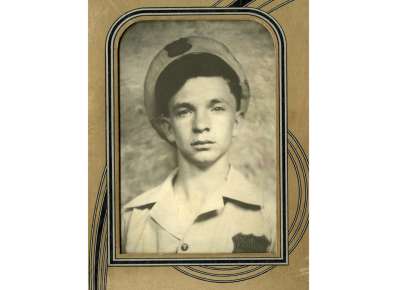
Among the Museum's collection are many stories of those who did not return, like PFC Darrel “Happy” Neil, killed in action on July 7, 1944 in France.

In this clip, Roland Chaisson talks about his experiences during the Sicilian Campaign and encounters he had with local civilians and their German occupiers.
The US Navy will celebrate its 249th birthday on October 13, 2024. The Museum will mark this service birthday with FREE admission for all active-duty and reserve members, retirees, and veterans of the US Navy.
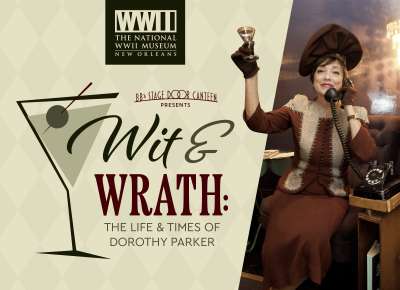
Claudia Baumgarten brings literary trailblazer Dorothy Parker to life in this quick-witted one-woman show.

The campaigns in Italy from the first landings in September 1943 through May 1945 tested Allied soldiers to the limit.