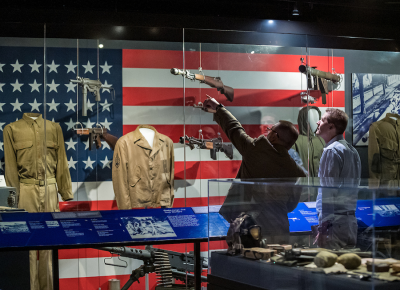
Article Type
Highlights from 25 Years of Collecting
In recognition of 25 years of collecting at the Museum, our curators have highlighted pieces with special significance.
In recognition of 25 years of collecting at the Museum, our curators have highlighted pieces with special significance.
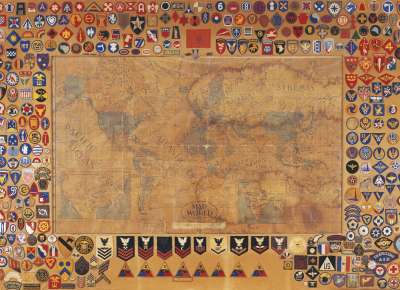
The newly renovated Malcolm S. Forbes Rare and Iconic Artifacts Gallery provides a new opportunity for the Museum to highlight hidden gems from its vast collection of more than a quarter of a million objects and a wealth of archival materials and oral histories—only a small percentage of which can be displayed at any one time.
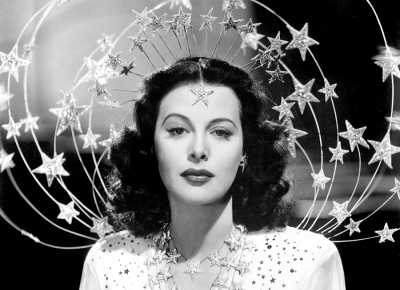
Regarded as the “most beautiful woman in the world,” Hedy Lamarr was not only a famous Hollywood actress who sold millions in war bonds during World War II, she was an inventor. Her creations included a frequency-hopping radio communications device for Allied torpedoes during the war.
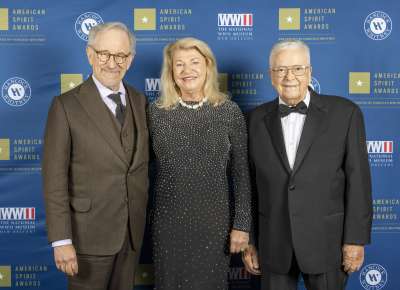
Tuskegee Airmen, Four-Star General Ann E. Dunwoody, and Acclaimed Filmmaker Steven Spielberg Bestowed with Museum’s Highest Honor
This virtual program is free and will be available to watch through Zoom and Facebook. The program recording will be available to re-watch at the conclusion of the program on Facebook and eventually on YouTube.
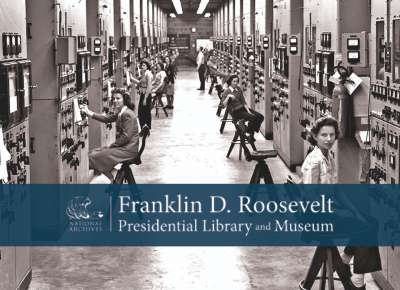
Join President Harry Truman’s grandson, Clifton Truman Daniel, and Franklin D. Roosevelt Presidential Library and Museum Director Paul Sparrow for this special event discussing America’s two WWII presidents and their role in the Manhattan Project’s dramatic race for atomic power.
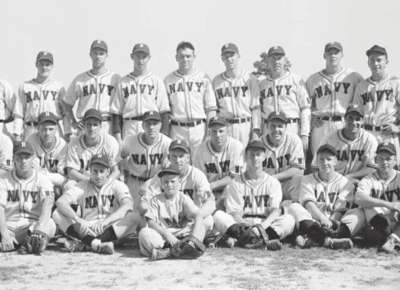
Author Anne Keene joins Jason Dawsey, PhD, from the Museum's Institute for the Study of War and Democracy, for a discussion of her new book, The Cloudbuster Nine: The Untold Story of Ted Williams and the Baseball Team That Helped Win World War II.

Join the RAF Museum's Ian Thirsk and Darren Priday as they discuss with the Museum's Seth Paridon and Ed Lengel, PhD, the challenges and excitement of recovering and preserving these historic war birds.