The Treblinka Uprising
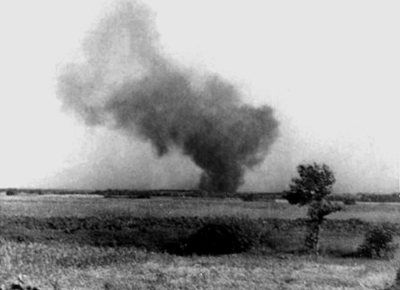
In August 1943, Jewish prisoners revolted against their Nazi captors at the Treblinka death camp. This act of resistance provides crucial insight into the horrors of the death camp and Operation Reinhard.
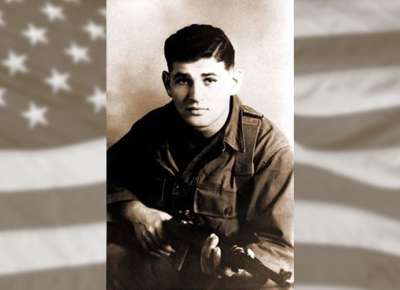
Twice a prisoner, and initially denied our nation’s highest honor due to antisemitism, Tibor Rubin was finally awarded the Medal of Honor in 2005.
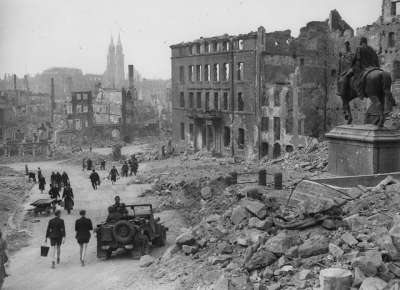
As fighting came to an end in 1945, people the world over faced for the first time the unprecedented extent of destruction and loss of life caused by World War II. As the costs of victory came into devastating focus, the diplomatic responses, rising global tensions between the United States and the Soviet Union, and social disruption that followed in the aftermath of this conflict showed that World War II was truly "the war that changed the world."
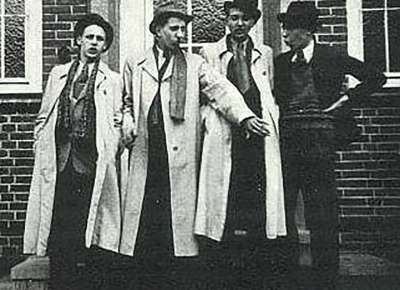
The swing youth in Nazi Germany were teenagers whose love for jazz and affinity for British and American pop culture stood in stark contrast to German nationalism, uniformity, and military regulation.
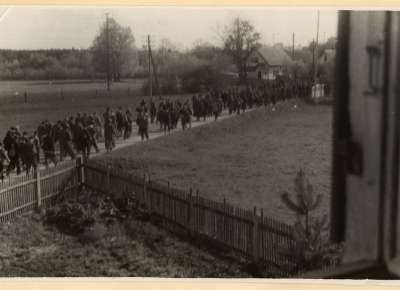
Desperate for slave labor to continue the doomed war effort and fearful of camp survivors exposing Nazi crimes, German decision-makers put in motion nearly three-quarters of a million concentration camp prisoners. Of this number, 250,000 died in these death marches.