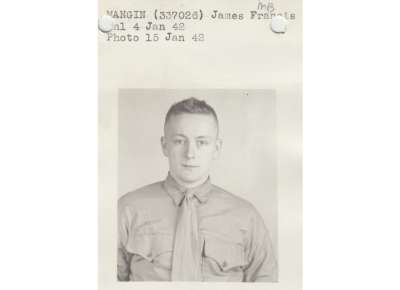
Life on Guadalcanal
Despite the lack of proper diet and medical supplies, the proliferation of tropical disease, constant enemy bombardments, and the threat of being overrun by a fanatical enemy, American forces held on to “The Island of Death.”
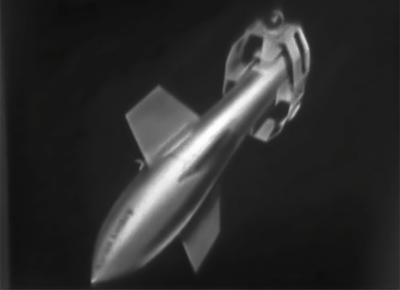
German technology surpassed the Allies' with the production of radio-guided weapons that worked in a combat environment. As early as 1943, the Henschel (Hs) 293 and the Ruhrstahl X-1 (Fritz X) were the first guided bombs employed in combat. These weapons debuted around the time of the Allied assault on Salerno and were a new concern for fleet defense.
November 19, 2026 - November 21, 2026
Each year, The National WWII Museum brings together the best and brightest scholars, authors, historians, and witnesses to history from around the globe to discuss key battles, personalities, strategies, issues, and controversies of the war that changed the world.
Join the Museum for dynamic webcasts about compelling topics in World War II. Led by student reporters, embark on cross country explorations highlighting significant sites, important first-hand accounts, and powerful primary sources.
The Museum's outdoor sound and light show features incredible music, stunning imagery, festive snacks and beverages, and 90-foot-tall projections.