Nazi Germany, Imperial Japan, and the Anti-Comintern Pact
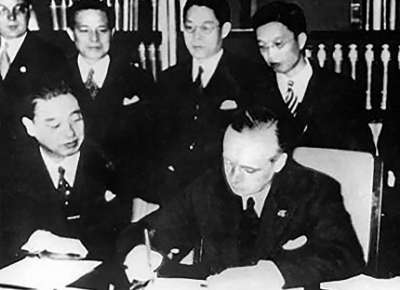
The signing of the Anti-Comintern Pact between Germany and Japan in 1936 was one of the truly momentous and horrifying conjunctures of the twentieth century.
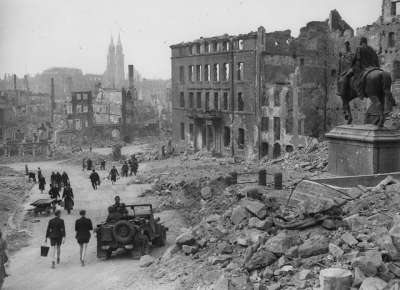
As fighting came to an end in 1945, people the world over faced for the first time the unprecedented extent of destruction and loss of life caused by World War II. As the costs of victory came into devastating focus, the diplomatic responses, rising global tensions between the United States and the Soviet Union, and social disruption that followed in the aftermath of this conflict showed that World War II was truly "the war that changed the world."
While battles raged across the world, three great works of "PPE"—Philosophy, Politics, and Economics—were published during World War II, and remain relevant today.
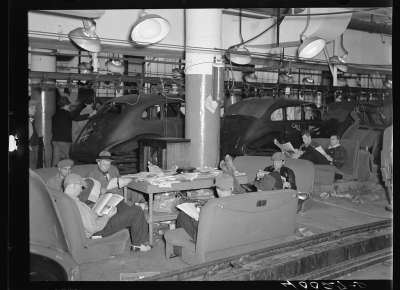
In 1936, strikes and protests achieved major gains for American workers and set the stage for organized labor’s contribution to the struggle against fascism in World War II.
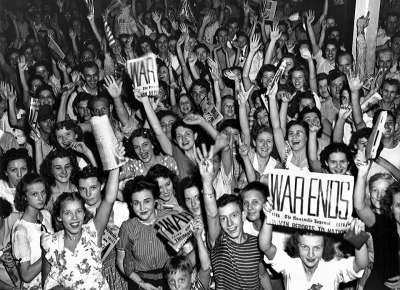
Victory over Japan Day was and is celebrated on different dates around the world. Why?