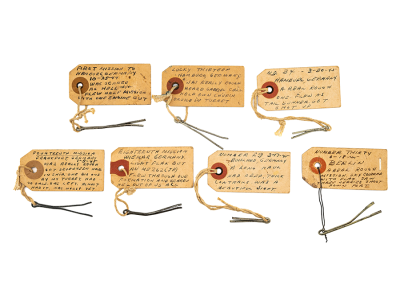
Garland Kerlec’s Fuse Pin Diary
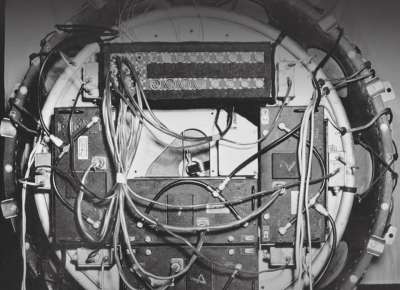
Technical Sergeant Garland Kerlec used the bomb fuse tags to make a sort of diary of his combat flights, recording the date, target, as well as some commentary on the nature of the mission.
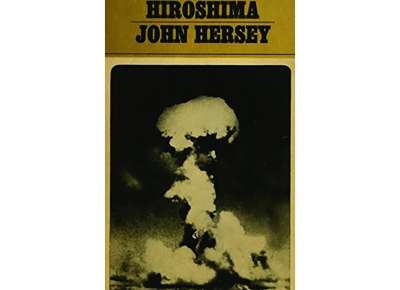
Seventy-five years ago, journalist John Hersey’s article “Hiroshima” forever changed how Americans viewed the atomic attack on Japan.
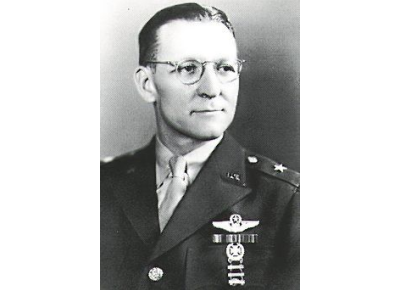
Kenneth Newton Walker, Brigadier General, US Army Air Corps received the Medal of Honor for his actions during a fatal bombing mission over Rabaul, New Britain, on January 5, 1943.
Hans Courant talks about his time at Los Alamos, building components for the atomic bomb, and coming to the realization that the bomb would be used on human beings.
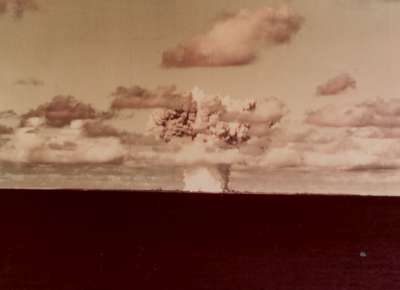
“As soon as the war ended, we located the one spot on earth that hadn’t been touched by the war and blew it to hell.” - Bob Hope, Operation Crossroads by Jonathan M. Weisgall, Naval Institute Press, 1994.
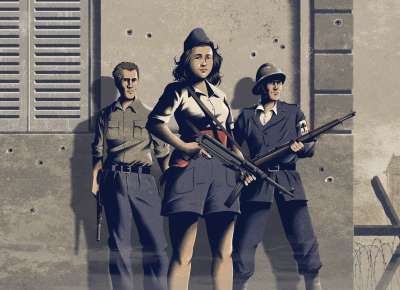
The International Conference on World War II is the premier adult educational event bringing together the best and brightest scholars, authors, historians, and witnesses to history from around the globe to discuss key battles, personalities, strategies, issues, and controversies of the war that changed the world.
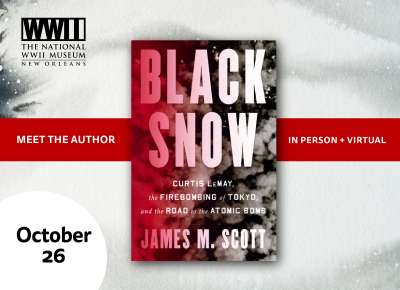
Join us as Museum friend and best-selling author, James Scott, returns to New Orleans to discuss his latest book about the B-29 campaign in the Pacific.
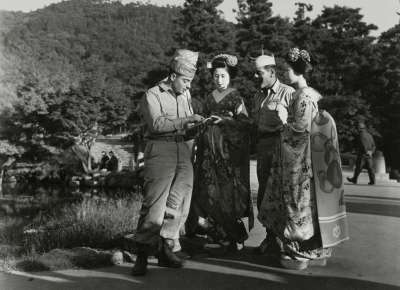
The National WWII Museum’s newest tour brings you to Japan, where World War II ultimately ended. Beginning in Tokyo, guests will investigate the Japanese perspective on the end of the war at the Yushukan War Memorial Museum and also explore the Japanese civilian experience at the National Showa Memorial Museum.