Article Type
The Most Fearsome Sight: The Atomic Bombing of Hiroshima
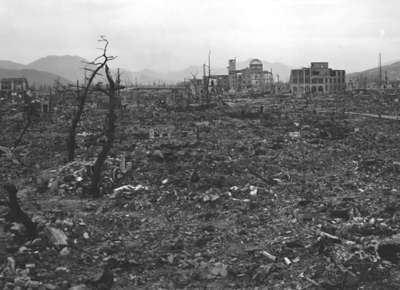
On the morning of August 6, 1945, the American B-29 bomber Enola Gay dropped an atomic bomb on the Japanese city of Hiroshima.
On the morning of August 6, 1945, the American B-29 bomber Enola Gay dropped an atomic bomb on the Japanese city of Hiroshima.
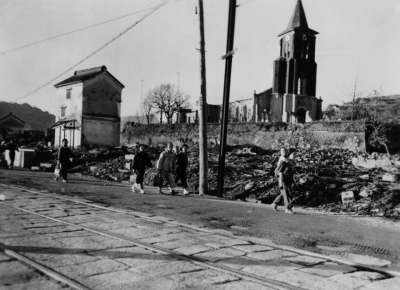
In her August 10, 1945, My Day column, Eleanor Roosevelt reflects on the Atomic bombing of Nagasaki, urging an end to discrimination and calling for faith in humanity’s ability to meet the challenges of the atomic age.
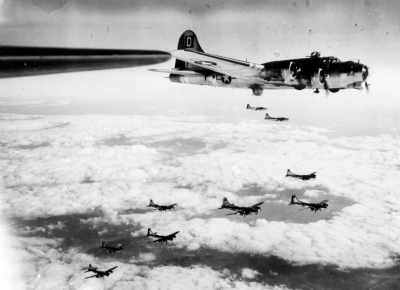
The Eighth Air Force’s hard luck unit was filled with colorful personalities who made the unit one of the most storied of World War II.
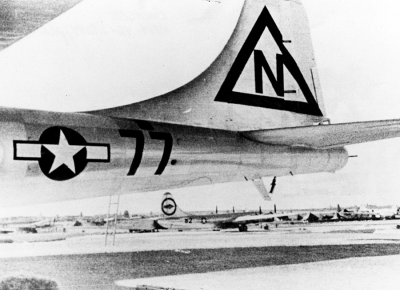
Most people are aware that Boeing's B-29 Superfortress was the plane that made the first atomic attacks. However, the B-29s delivering America’s first atomic weapons were far from ordinary.
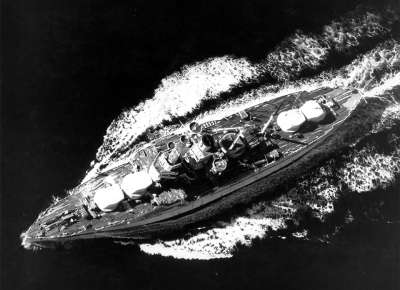
The USS Utah (AG-16) had a long and sometimes peculiar career before the veteran warship met its end at Pearl Harbor.
Eighty years after the end of World War II, this two-day symposium will offer a comprehensive look at the turning points and closing moments of the war in Europe and the Pacific.
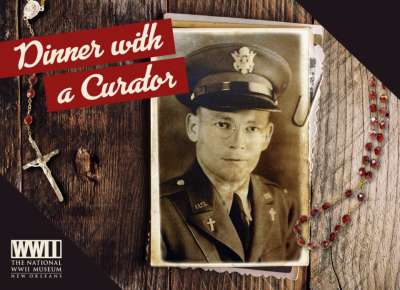
The extraordinary story of Louisiana native, Catholic priest, and US Army Air Forces chaplain Father Joseph Verbis Lafleur is among the most unforgettable of World War II.
Join us in conversation with author Garrett M. Graff, whose new book explores the high-stakes race to create the atomic bomb.