STEM Innovation: From the Computer to Artificial Intelligence
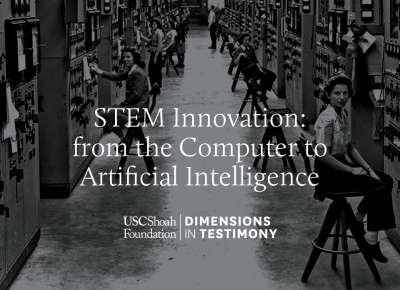
World War II was the catalyst for many technological advances, including creating the world’s first computer—an invention that has revolutionized the world we live in.
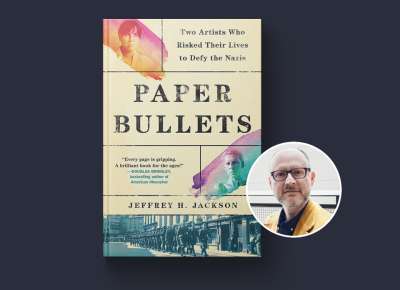
A conversation with author Jeffrey Jackson, PhD, and Jeremy Collins about a new book that offers a glimpse into the history of World War II at the ground level.
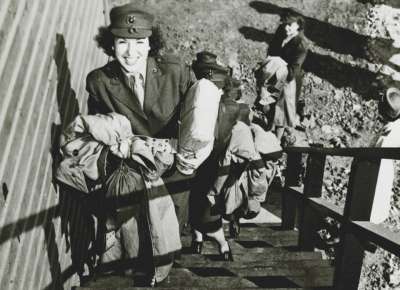
In 1942, the US Navy, Marine Corps, and Coast Guard opened their ranks to most women.
In conjunction with the Museum’s newest special exhibit, SOLDIER | ARTIST: Trench Art in World War II, this program allows you to create your own punched copper luminary, joining the long legacy of making trench art, a type of folk art created by soldiers dating back to the 1800s.
Join us for our third Virtual Innovation Studio! March is "spring forward" season, so this Virtual Innovation Studio is all about time.
Senior Curator Tom Czekanski discusses some of the methods and techniques used to create brass trench art.
As the world implements a vaccination program for Covid-19, we can look to WWII history to learn more about the process.
Join the National WWII Museum for a special virtual opening of its newest exhibit, SOLDIER | ARTIST: Trench Art in World War II.
The days of World War II correlated with a new and radical direction in jazz. Dissatisfied swing musicians devised a new jazz that was faster, angular, virtuosic, and dissonant.
Join Museum educators to discuss the few Americans who saw the atrocities of the Holocaust with their own eyes.