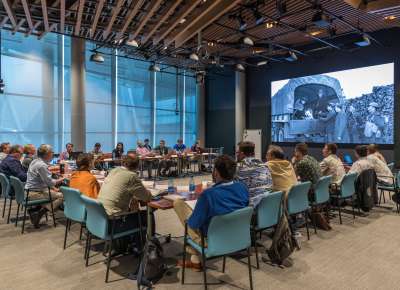
2023 Summer Seminar in Military History
Fellows were introduced to the wealth of resources available within the Museum’s collection and in the field at-large, gaining advice on how to use these valuable tools in their own teaching and scholarship.
Fellows were introduced to the wealth of resources available within the Museum’s collection and in the field at-large, gaining advice on how to use these valuable tools in their own teaching and scholarship.
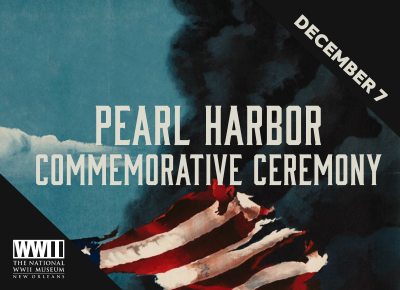
During this year’s commemorative ceremony, pay tribute to those who lost their lives on December 7, 1941, through a moving program that brings to life the enduring significance and legacy of this day, its heroic Medal of Honor actions, and its relevance today.
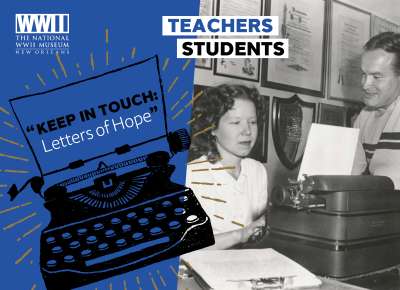
During this webinar, Linda Hope, daughter of Bob Hope, and The National WWII Museum will discuss her father’s legacy by examining some of the letters he received, emphasizing how this translates to current classrooms and how letter writing can still make an impact on active military communities today.
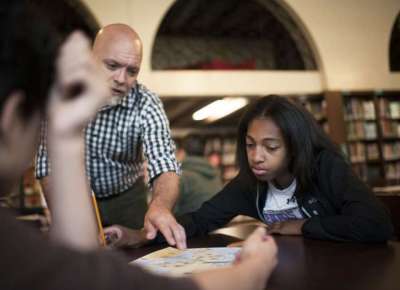
Learn about Kristallnacht or the “Night of Broken Glass” and how the history of European antisemitism helped lead to this event.
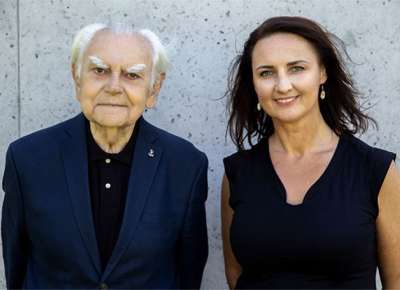
Join us for an engaging evening with Z. Anthony Kruszewski—an eyewitness to the war in Europe, an extraordinary man, and leading intellectual in the Polish-American community.
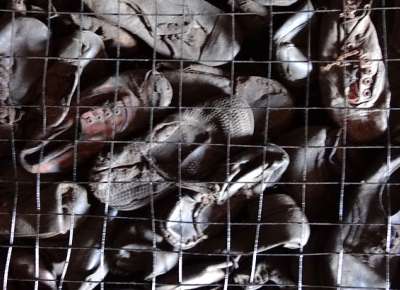
This presentation will offer a detailed history of the Operation Reinhard camps Belzec, Sobibor, and Treblinka in 1942–1943 and where they might fit in the larger history of the Holocaust.
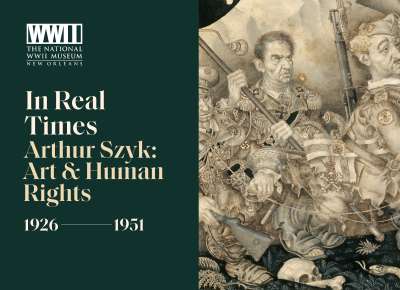
The National WWII Museum invites you to the opening of In Real Times. Arthur Szyk: Art and Human Rights, a special exhibition showcasing the work of illustrator and political cartoonist Arthur Szyk.
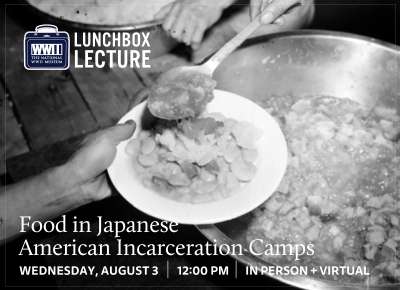
During World War II, 120,000 Japanese Americans attempted to adjust to their lives behind barbed wire at one of 10 incarceration camps—and this included encountering new food served in the mess halls.
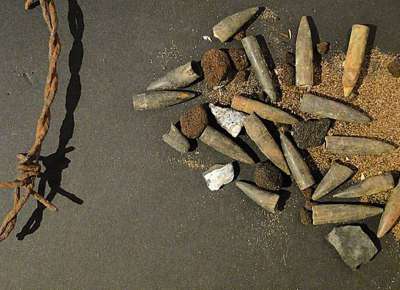
Before the killing centers opened at Birkenau, Treblinka, Sobibor, Belzec, and Majdanek, Jews were already being murdered by the Germans, their Axis allies, and local collaborators in Ukraine, Belarus, and other USSR republics.
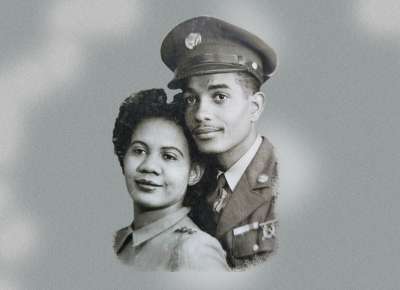
Join us for a special program highlighting wartime correspondence from James Killion, Jr.