Article Type
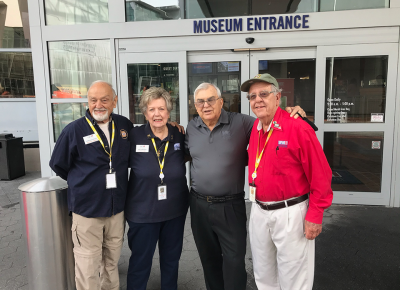
The Spirit of Service at The National WWII Museum
Volunteers have helped keep things running smoothly at the Museum since it opened in 2000—and a very special group has been here from the very beginning.
Volunteers have helped keep things running smoothly at the Museum since it opened in 2000—and a very special group has been here from the very beginning.
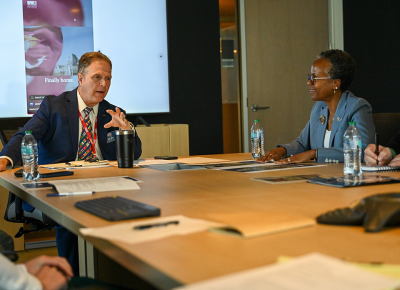
Through partnership, research, and remembrance, the Defense POW/MIA Accounting Agency (DPAA) and The National WWII Museum help ensure that no family is forgotten and no hero is left behind.
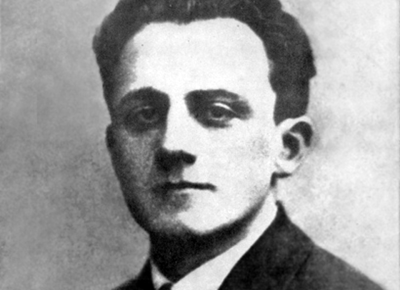
The Oyneg Shabes Archive, created by historian Emanuel Ringelblum and other Jews in the Warsaw Ghetto, meticulously documented their lives, suffering, and resistance during the Holocaust, ensuring their stories would survive even as they faced annihilation by the Nazis.
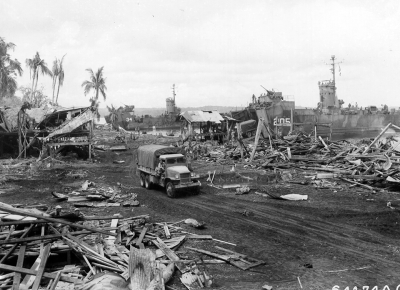
The liberation of Mindanao was, in some respects, an unnecessary campaign militarily, but it had important political implications, as it enabled the United States to fulfill its promise of independence to the Philippines.
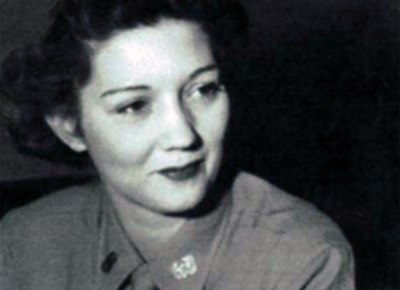
Women warrant officers made up a small portion of the Women’s Army Corps but were trailblazers who created opportunities for women in the US Armed Forces for decades to come.
Sensory Friendly Mornings are for individuals of all ages with special needs and their families to enjoy early access to the Museum with modifications to make the experience more sensory friendly.
Spark your child's love of history with our WWII-themed storytime experience.
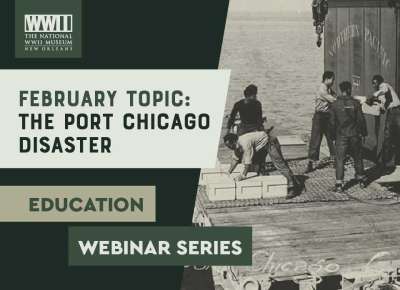
Learn more about the 1944 Port Chicago disaster as part of The National WWII Museum’s education webinar series.