Article Type
The Perils of Liberation: In the Crossfire Outside Stalag III-C
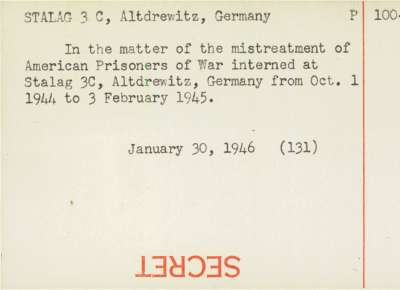
On January 31, 1945, American prisoners of war from Stalag III-C were caught, tragically, in a firefight between German guards and Soviet troops.
On January 31, 1945, American prisoners of war from Stalag III-C were caught, tragically, in a firefight between German guards and Soviet troops.

On January 20, 1942, a group of Nazi leaders met to coordinate a continent-wide genocide.
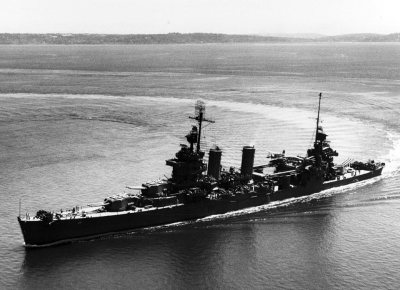
More than 80 years after the Battle of Tassafaronga, a team of scientists and explorers aboard the Exploration Vessel Nautilus found and imaged the wrecked bow of the New Orleans at the bottom of Iron Bottom Sound.

The long and astounding life of Adolfo Kaminsky (1925–2023) typifies a quite modern form of deception—the art of forging documents.
The National WWII Museum restores a P-51, the plane flown by the Tuskegee Airmen ("Red Tails") in World War II.
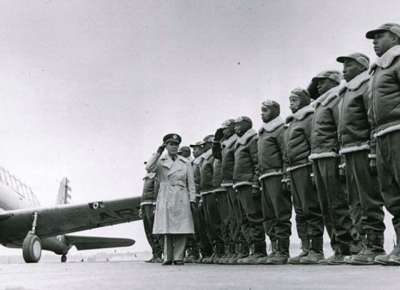
To commemorate the 75th anniversary of V-E Day, National Air and Space Museum’s STEM in 30 will take a look at how the airplane contributed to the Allied victory over the Axis powers in World War II.
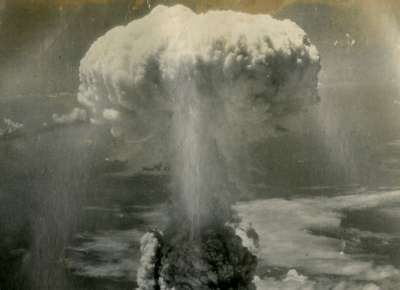
This program will be a conversation between Jason Dawsey, PhD, of The National WWII Museum's Institute for the Study of War and Democracy, and Michael Neiberg, PhD, inaugural Chair of War Studies in the Department of National Security and Strategy at the United States Army War College.
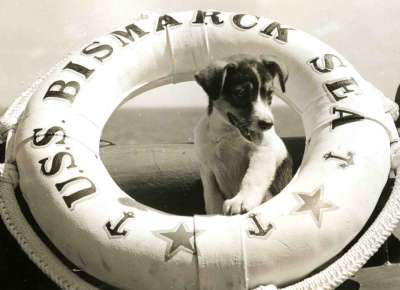
At a time when every American was called upon to contribute to the war effort—whether by enlisting, buying bonds, or collecting scrap metal—the use of American animals during World War II further demonstrates the resourcefulness of the US military and the many sacrifices that led to the Allies’ victory.