Press Release
The National WWII Museum and Hancock Whitney Announce American Spirit Award Honorees
The National WWII Museum is proud to announce the 2022 recipients of the American Spirit Award.
The National WWII Museum is proud to announce the 2022 recipients of the American Spirit Award.
The National WWII Museum is proud to announce the 10th International Conference on World War II. Presented by the Pritzker Military Museum & Library and the Pritzker Military Foundation, the Conference takes place annually in New Orleans and features the world’s foremost WWII historians in discussions concerning battles, leaders and pivotal moments that shaped World War II. This year’s topics include: The Anglo-American Alliance, The Wehrmacht’s Last Stand, Dunkirk, MacArthur and Blitzed: Drugs in the Third Reich.
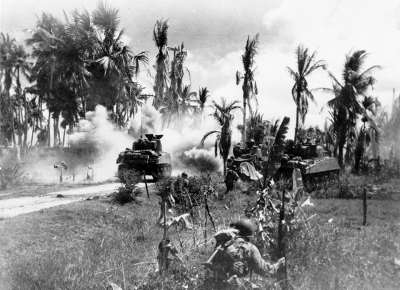
The final liberation of the Philippines at the end of World War II released Filipinos from years of torment—but recognition of their courage and sacrifice was slow in coming.
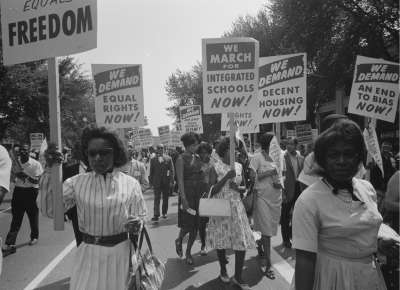
The experiences of those left to support the war effort on the Home Front, combined with those of returning veterans, helped further reveal underlying tensions and led to significant changes in the social history of the United States.
The 16th International Conference on World War II, a program of the Jenny Craig Institute for the Study of War and Democracy at The National WWII Museum, was presented by the Pritzker Military Foundation on behalf of Pritzker Military Museum & Library, with additional support from The Gen. Raymond E. Mason Jr. Distinguished Lecture Series on World War II Endowment Fund.