Article Type
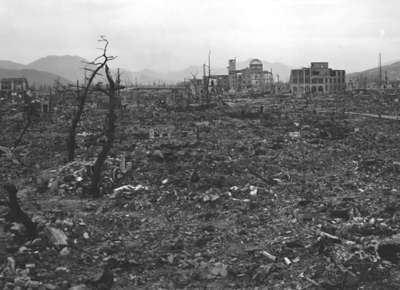
The Most Fearsome Sight: The Atomic Bombing of Hiroshima
On the morning of August 6, 1945, the American B-29 bomber Enola Gay dropped an atomic bomb on the Japanese city of Hiroshima.
On the morning of August 6, 1945, the American B-29 bomber Enola Gay dropped an atomic bomb on the Japanese city of Hiroshima.
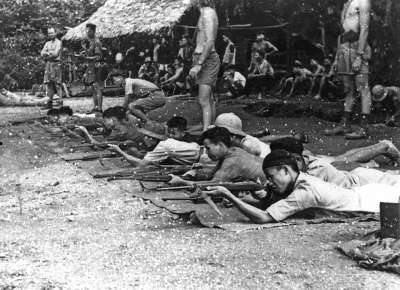
In 1945, members of the American "Deer Team," part of the OSS, worked with Vietnamese guerrilla fighters to throw Japanese troops out of Indochina. As the war ended, the people of Vietnam looked to the United States to support their dreams of independence.
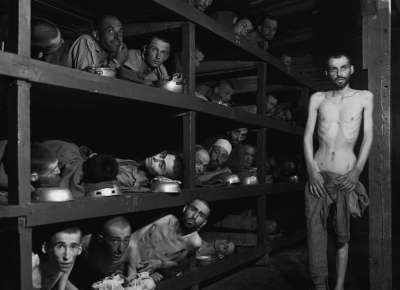
The Holocaust was Nazi Germany’s deliberate, organized, state-sponsored persecution and genocide of European Jews. During the war, the Nazi regime and their collaborators systematically murdered over six million Jewish people.
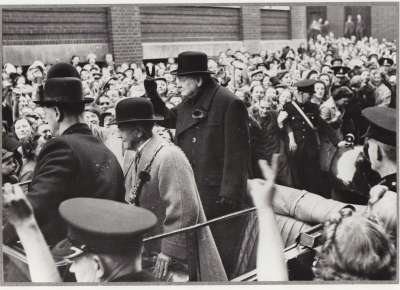
Created by a Belgian politician and broadcaster fleeing Nazi persecution, the V for Victory symbol became one of the most enduring signs of the war.
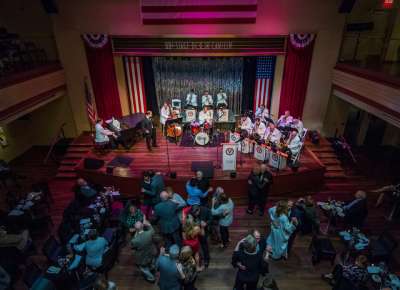
The National WWII Museum's own Victory Swing Orchestra celebrates the great big bands of the WWII era.
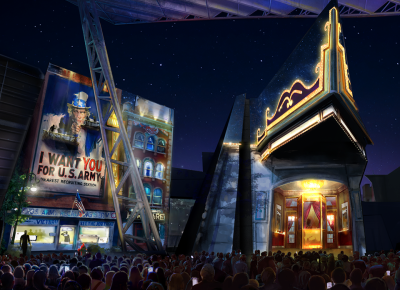
The Museum's outdoor sound and light show features incredible music, stunning imagery, festive food and beverages, and 90-foot-tall projections.
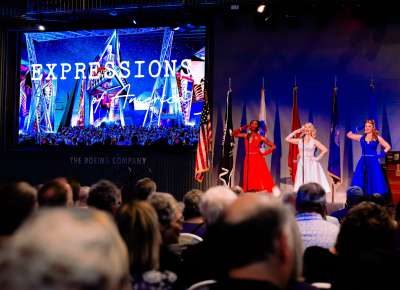
Join our signature vocal trio the Victory Belles for an evening of 1940s tunes paired with our state-of-the-art outdoor sound and light show, Expressions of America.