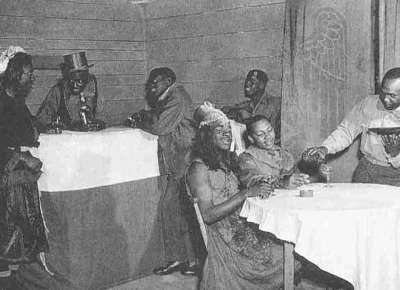
GIs as Dolls: Uncovering the Hidden Histories of Drag Entertainment During Wartime
The history of drag performances can be traced back to the late 1800s. These performances can even be traced to World War I and World War II.
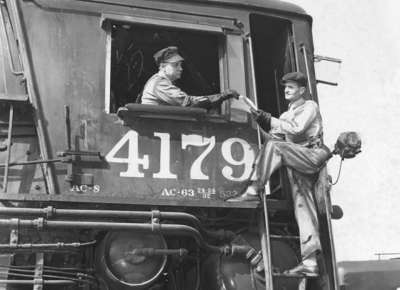
With the end of the wartime no-strike pledge, workers across America expressed their frustration with wages and working conditions through a series of strikes that involved over 5 million people from the end of 1945 and into 1946.
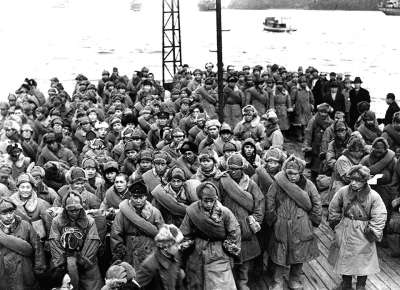
The Soviets inflicted terrible brutality on their Japanese captives.
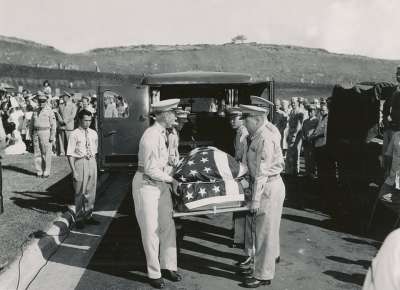
An overlooked story of World War II and its consequences, the Graves Registration Service (GRS) worked tirelessly during the war to collect and identify the dead, providing proper burial. After the war, the GRS conducted the world’s largest search and recovery effort, leading to the identification of 280,000 fallen Americans, who were provided with a final burial in the United States or abroad based upon the surviving family’s wishes.
November 19, 2026 - November 21, 2026
Each year, The National WWII Museum brings together the best and brightest scholars, authors, historians, and witnesses to history from around the globe to discuss key battles, personalities, strategies, issues, and controversies of the war that changed the world.