Iwo Jima: Sacrifice and Sanctuary
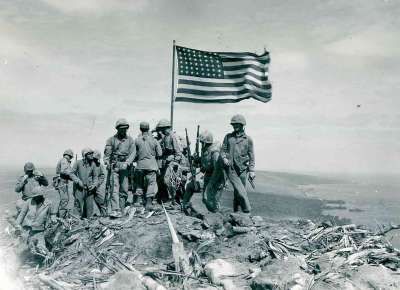
In the annals of US Marine Corps history, few battles resonate like that of Iwo Jima.
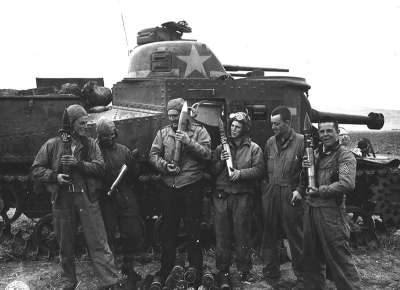
At the Arcadia Conference, held in Washington, DC, from December 24, 1941 to January 14, 1942, the Western Allies agreed to a “Germany First” policy to govern global strategy, but the question where to engage Germany, and when, remained unsettled.
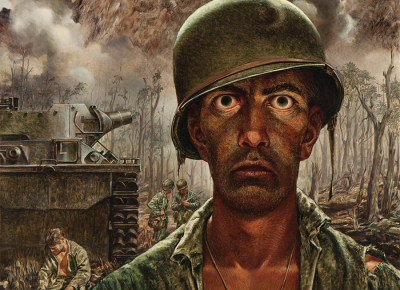
Underscoring its ferocity, future commandant of the Marine Corps General Clifton Cates argued that “the fight for Peleliu was one of the most vicious and stubbornly defended battles of the war.”
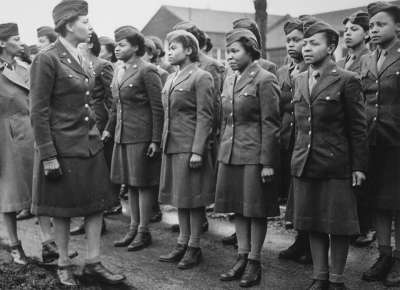
On February 3, 1945, the US Army sent over 800 Black women overseas to England aboard the SS Ile de France. Their mission was unknown to them.
An overlooked story of World War II and its consequences, the Graves Registration Service (GRS) worked tirelessly during the war to collect and identify the dead, providing proper burial. After the war, the GRS conducted the world’s largest search and recovery effort, leading to the identification of 280,000 fallen Americans, who were provided with a final burial in the United States or abroad based upon the surviving family’s wishes.