Article Type
History Through the Viewfinder
His portrayal in the 1970 film Patton aside, British General Bernard L. Montgomery was a great asset to General Dwight D. Eisenhower in planning for the D-Day invasion.
His portrayal in the 1970 film Patton aside, British General Bernard L. Montgomery was a great asset to General Dwight D. Eisenhower in planning for the D-Day invasion.
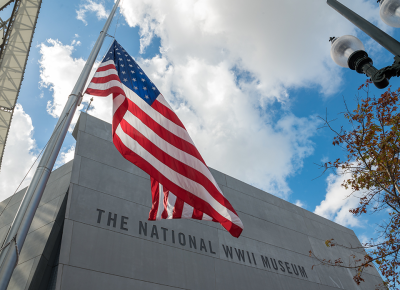
Visitors often ask, “Why is the Museum in New Orleans?” The answer to this simple question requires an understanding of the city’s involvement in World War II, politics, and American memory.
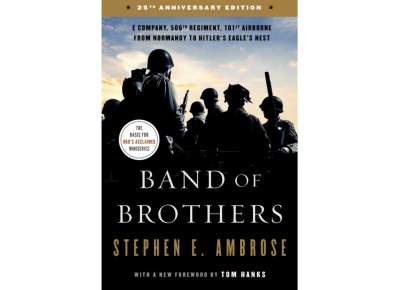
A new anniversary edition kindles memories of Stephen Ambrose's early research into Easy Company's WWII saga.
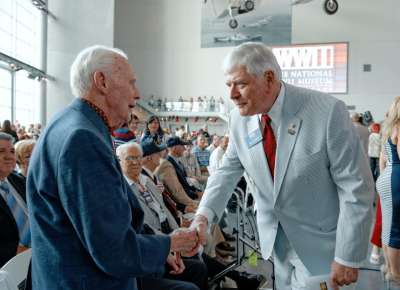
President & CEO Emeritus Gordon H. "Nick" Mueller, PhD, remembers "a great man and a great friend."
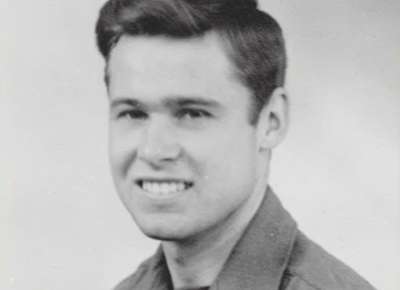
David Roderick discusses his experiences after going ashore on Utah Beach on D-Day.
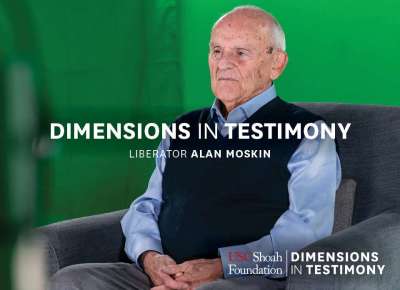
Join us as for a unique opportunity to hear directly from a WWII Veteran, who is featured in the Museum’s installation of Dimensions in Testimony: Liberator Alan Moskin, an interactive biography from USC Shoah Foundation, on display in New Orleans from February 4–September 11, 2021.
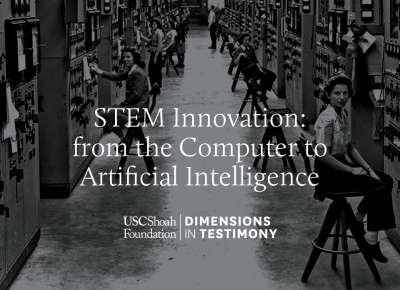
World War II was the catalyst for many technological advances, including creating the world’s first computer—an invention that has revolutionized the world we live in.
Join us for a virtual planetarium show in partnership with the Boston Museum of Science to see the night sky as they saw it on June 6, 1944, on the beaches of France.