Article Type
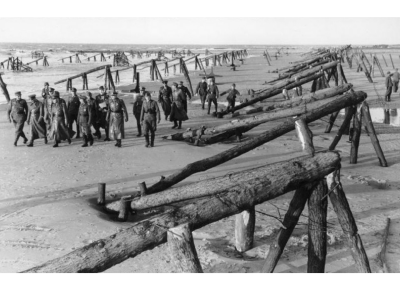
The Reception: The Germans on D-Day
How the sheer raw power of the Allies overwhelmed the Germans.
How the sheer raw power of the Allies overwhelmed the Germans.
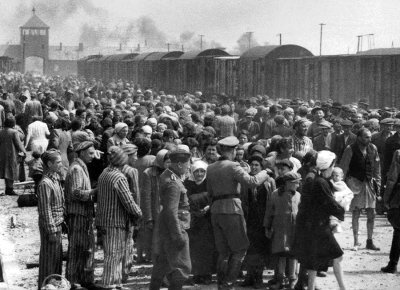
The Nazis created at least 44,000 camps, including ghettos and other sites of incarceration, between 1933 and 1945. The camps served various functions, from imprisoning "enemies of the state" to serving as way stations in larger deportation schemes to murdering people in gas chambers.
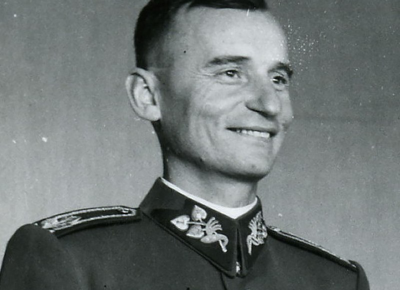
The strength, depth, and impact of the 1944 Slovak National Uprising made it one of the largest and most important anti-fascist campaigns in Europe during World War II.
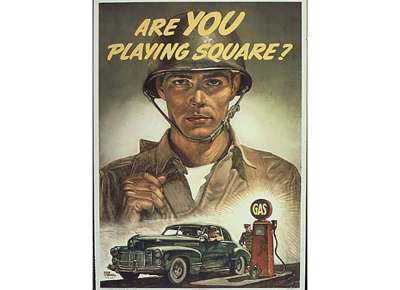
The Institute for the Study of War and Democracy Historians and Special Guests Discuss How WWII's Aftermath Presents Lessons for the Aftermath of the Present Crisis.
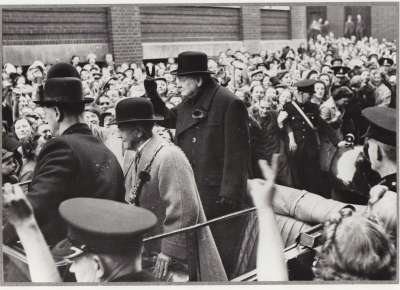
Created by a Belgian politician and broadcaster fleeing Nazi persecution, the V for Victory symbol became one of the most enduring signs of the war.