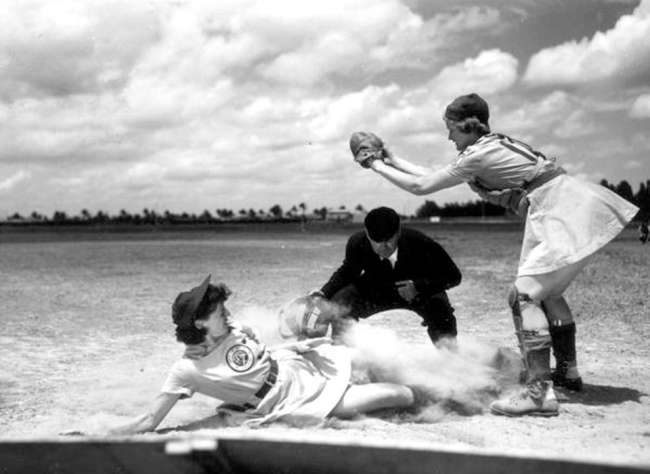
Ladies of the Diamond: Women’s Professional Baseball during World War II
The All-American Girls Professional Baseball League served as inspiration for young women across the country and opened the door further for women’s professional sports.
-
 Article Type
'Jumpin' Joe' Beyrle: The American Paratrooper Who Fought for Two Armies
Joseph R. Beyrle's experience captures the initiative demanded of airborne soldiers, the brutality endured by prisoners of war, and the unlikely battlefield cooperation between American and Soviet soldiers during the final months of the war.
-
Article Type
Dick Winters's Leadership Insights in a Letter to Stephen Ambrose
In the letter, Major Richard “Dick” Winters responded to Stephen Ambrose's request for his thoughts on the strain of command, the problems he faced during the war, and the living conditions his soldiers endured. What emerged was also a concise explanation of Winters’s leadership philosophy.
-
Article Type
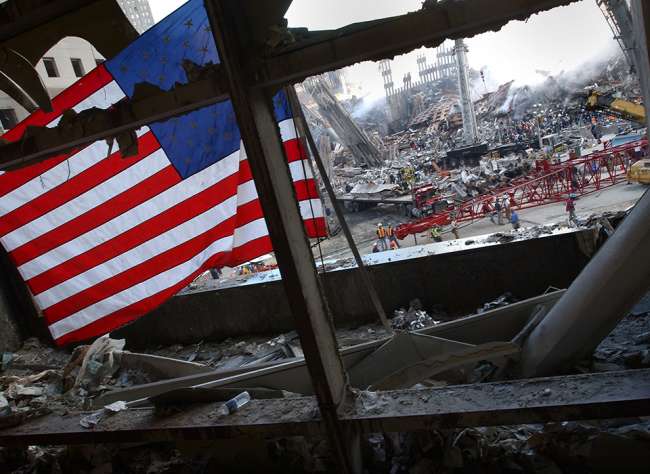
Remembering the WWII Veterans among the Victims of September 11, 2001
At The National WWII Museum, remembering the anniversary of September 11 means remembering all those who perished that day and recognizing the many different stories they carried with them.
-
Article Type
The WWII Origin of “Praise the Lord and Pass the Ammunition”
Upon its release, “Praise the Lord and Pass the Ammunition” quickly became very popular with wartime Americans.

V-E Day: Victory in Europe
On May 8, 1945, thousands of people took to the streets in cities around the world to celebrate news of Germany's surrender and the end of World War II in Europe.
European Theater of Operations
More from Topic-
Article Type
'Jumpin' Joe' Beyrle: The American Paratrooper Who Fought for Two Armies
Joseph R. Beyrle's experience captures the initiative demanded of airborne soldiers, the brutality endured by prisoners of war, and the unlikely battlefield cooperation between American and Soviet soldiers during the final months of the war.
-
Article Type
Dick Winters's Leadership Insights in a Letter to Stephen Ambrose
In the letter, Major Richard “Dick” Winters responded to Stephen Ambrose's request for his thoughts on the strain of command, the problems he faced during the war, and the living conditions his soldiers endured. What emerged was also a concise explanation of Winters’s leadership philosophy.
-
Article Type
Band of Brothers at 25: A Guide to 101st Airborne Division Artifacts at the Museum
At The National WWII Museum, visitors can discover artifacts carried, worn, and used by paratroopers of the 101st Airborne alongside items that tell the story of Band of Brothers itself.
-
Article Type
How to Teach WWII: Hitler’s War on Modern Art
This month, we explore how the Nazi campaign against “degenerate” modernist art and music can help students use Visual Thinking Strategies as a way to observe and think critically about art, as well as teach them how culture plays into times of war.
-
Article Type
WWII Veteran Norman Bussel, POW and PTSD Advocate, Dies at 102
Bussel spent a year as a prisoner of war after his plane was shot down over Germany—a traumatic experience that would fuel his work on behalf of veterans and former POWs later in life.
-
Article Type
General George S. Patton
Few American generals of World War II inspired as much admiration or as much controversy as George S. Patton.
-
Article Type
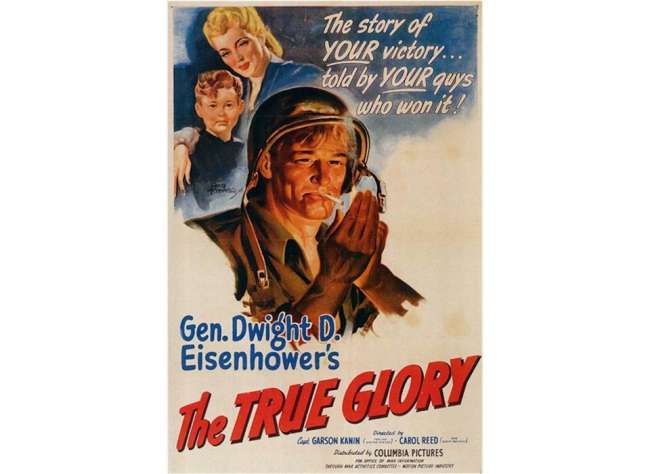
The True Glory (1945): Teamwork Wins Wars
The True Glory chronicles the Allied liberation of Western Europe, from the preparations for Operation Overlord to the fall of Berlin.
-
Article Type
The Days of Darkness Are Passing
In a war against Nazi Germany, no statement was more dramatic than for Jewish American soldiers to proclaim their faith on German soil.


![Max Fuchs, New York City cantor, sings as Rabbi Sydney [sic] Lefkowitz, Richmond, VA, conducts the first Jewish services from Germany.](/sites/default/files/styles/max_650x650/public/2025-10/image1.jpg)
Pacific Theater of Operations
More from Topic-
Article Type
Japanese Hell Ships of World War II
Initially, hell ships moved Allied POWs to areas where their labor was needed, such as the Japanese main islands and other recently conquered regions, but later, they also moved prisoners to prevent them from being liberated by advancing Allied forces.
-
Article Type
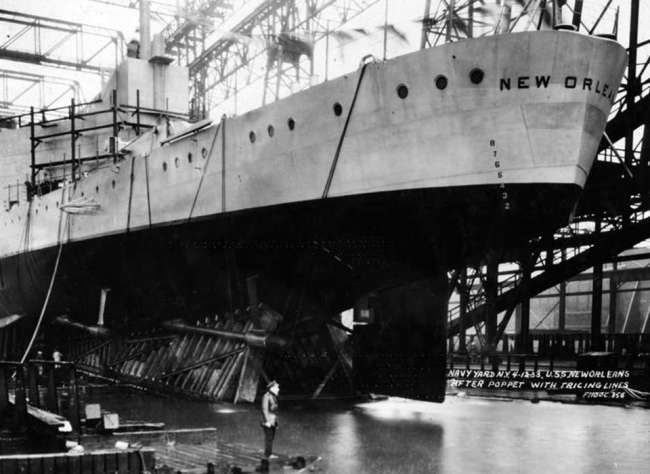
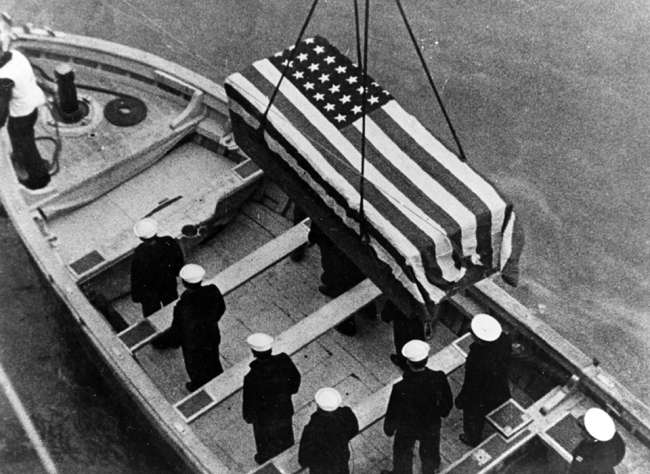
The USS New Orleans before World War II
A product of post Great War naval treaties and launched amid rising global tensions, the USS New Orleans forged a bond with its namesake city in the years before World War II
-
Article Type
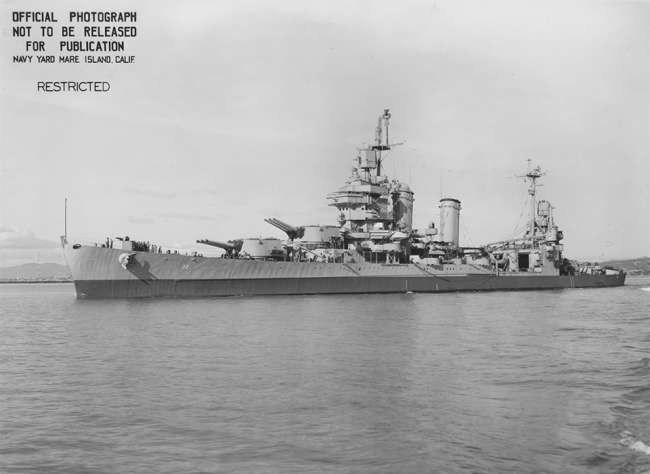
Come Back Fighting! The USS New Orleans in World War II
Not only was the vessel a hometown hero, the USS New Orleans also participated in almost every major campaign against Japan. And when faced with great tragedy, she always bounced back, much like the people of New Orleans did after disasters such as Hurricane Katrina in 2005.
-
Article Type
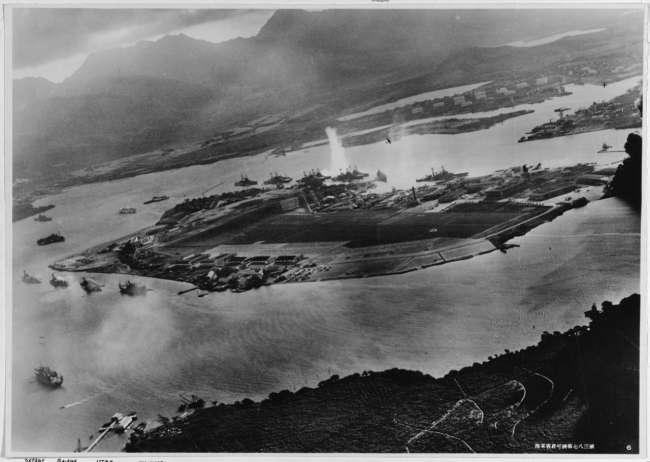
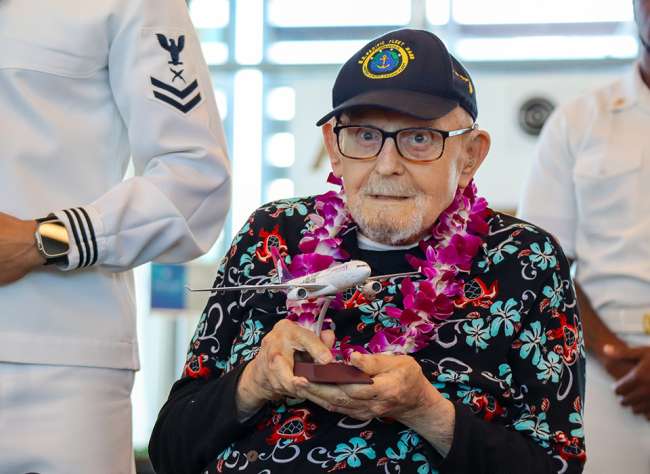
Ira ‘Ike’ Schab, One of the Last Remaining Pearl Harbor Survivors, Dies at 105
One of the last living survivors of the December 7, 1941, attack, Schab was serving as a musician and sailor aboard the USS Dobbin when Japanese planes struck Pearl Harbor.
-
Article Type
The 1937 Attack on the USS Panay
Although the attack on the USS Panay did not ignite a war between the United States and Japan, it marked a turning point in their relationship.
-
Article Type
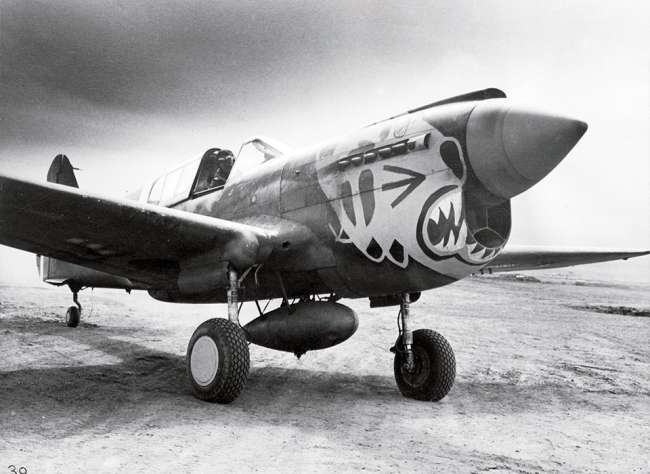
A Different Kind of Tiger: Warhawks in the Aleutians
Though the Aleutian Tigers have largely faded from public memory of World War II, their legacy lives on in both Alaskan historical sites and in the preserved or restored P-40s of the 343rd that still bear their iconic yellow tigers.
-
Article Type
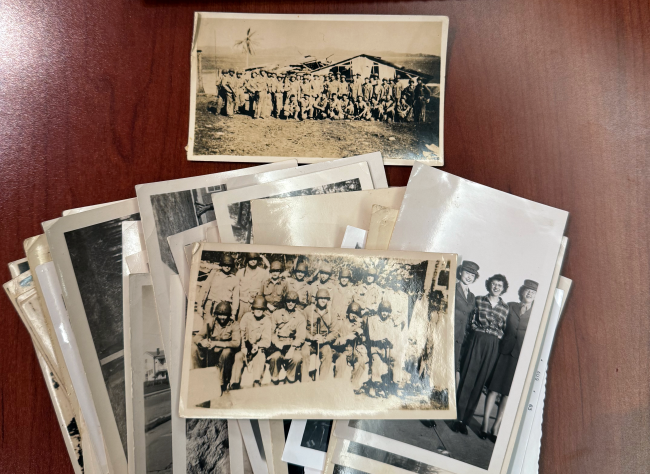
A Shoebox of Photos. A Hidden WWII Legacy Revealed.
Even though he grew up surrounded by WWII veterans in his small Arkansas town, Rod Fortner knew very little about where his dad served and what he had experienced as a young Marine.
-
Article Type
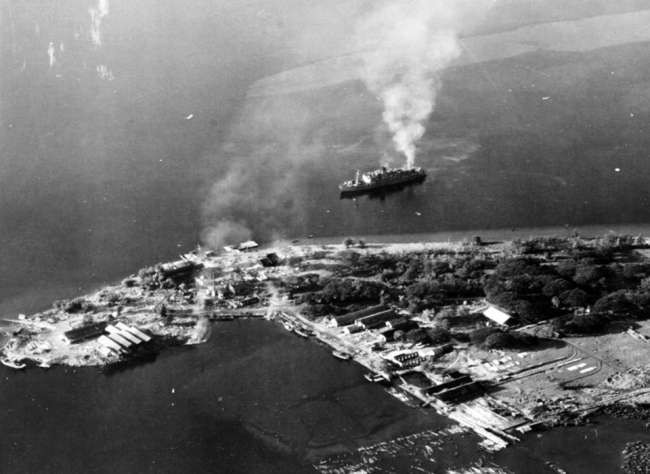
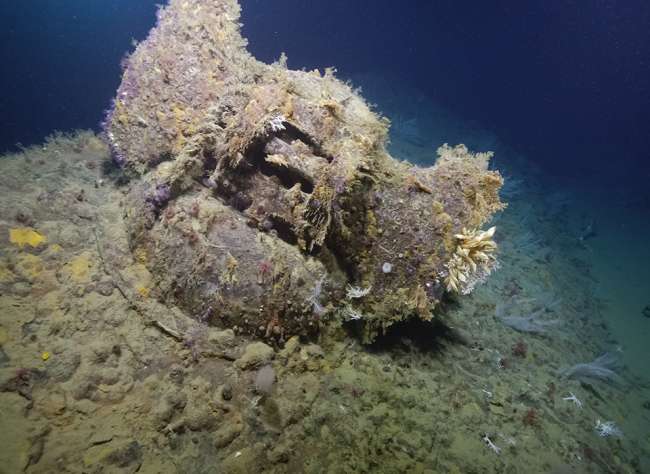
Mystery of the Disembodied Bow of Ironbottom Sound
The New Orleans not only lost her bow, but she staggered away from Ironbottom Sound with over 180 men in her crew dead or missing. But like the city for which she was named, quitting was never an option.
Explore By Topics
View More-
Learn More
European Theater of Operations
-
Learn More
Pacific Theater of Operations
-
Learn More
Home Front
-
Learn More
More Topics
Home Front
More from Topic-
Article Type
Ladies of the Diamond: Women’s Professional Baseball during World War II
The All-American Girls Professional Baseball League served as inspiration for young women across the country and opened the door further for women’s professional sports.
-
Article Type
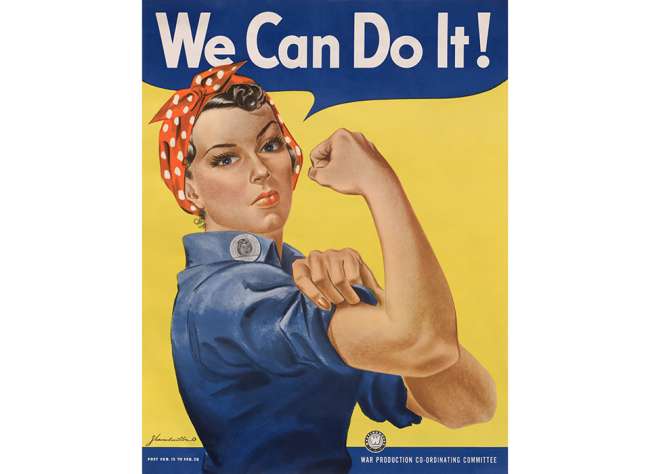
Rosie the Riveter: Women War Workers on the WWII Home Front
Rosie the Riveter represents the more than six million women from a wide variety of backgrounds who entered the workforce to support the American war effort.
-
Article Type
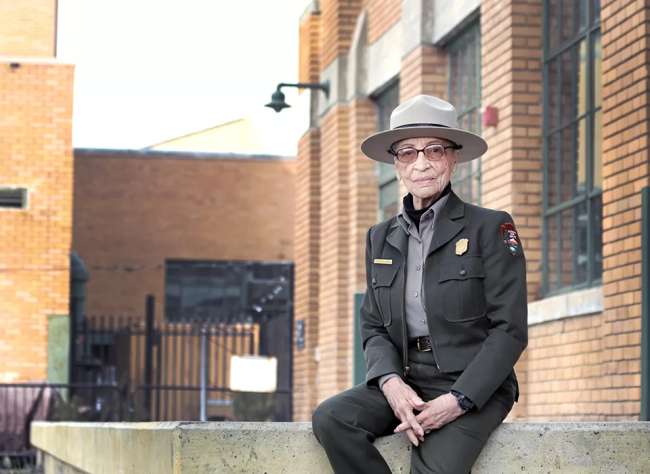
Betty Reid Soskin, WWII Home Front Worker and Iconic Park Ranger, Dies at 104
In 2016, Soskin received The National WWII Museum's Silver Service Medallion, which recognizes veterans and those with a direct connection to World War II who have served our country with distinction and continue to lead by example.
-
Article Type
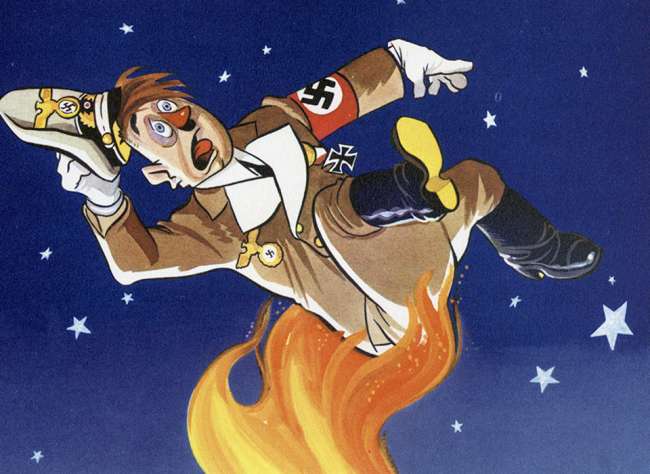
The Anti-Axis Art of Antonio Arias Bernal
Antonio Arias Bernal’s art reminds us that World War II was also a war of ideas, fought with pens and brushes as much as with troops and firearms.
-
Article Type
How New Orleans Became Home to America's National WWII Museum
Visitors often ask, “Why is the Museum in New Orleans?” The answer to this simple question requires an understanding of the city’s involvement in World War II, politics, and American memory.
-
Article Type
The Spirit of Service at The National WWII Museum
Volunteers have helped keep things running smoothly at the Museum since it opened in 2000—and a very special group has been here from the very beginning.
-
Article Type
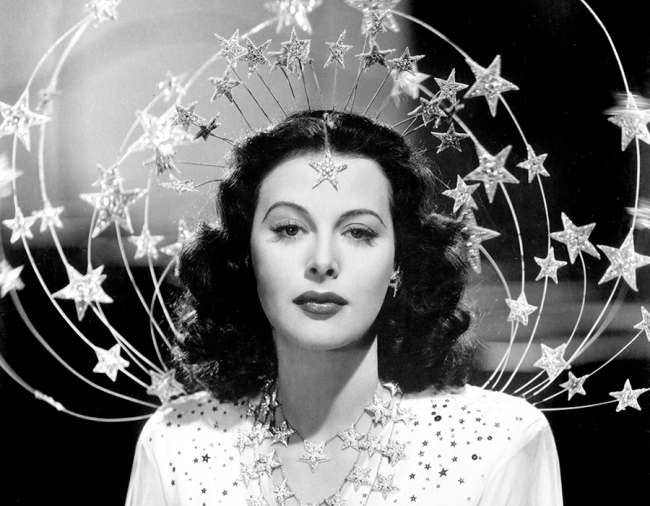
Hedy Lamarr’s WWII Invention Helped Shape Modern Tech
Regarded as the “most beautiful woman in the world,” Hedy Lamarr was not only a famous Hollywood actress who sold millions in war bonds during World War II, she was an inventor. Her creations included a frequency-hopping radio communications device for Allied torpedoes during the war.
-
Article Type
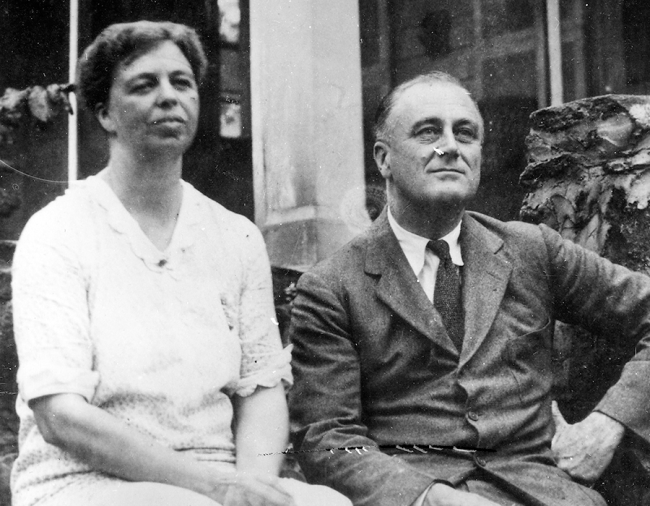
Eleanor Roosevelt’s My Day Column after FDR's Death
In her first My Day column after Franklin D. Roosevelt's death on April 12, 1945, Eleanor Roosevelt reflects on the sorrow following his passing, honors his commitment to justice, and urges the world to unite in building a lasting, just peace.

Medal of Honor Recipients of World War II
More from Topic-
Article Type
Roderick W. Edmonds Awarded Medal of Honor for WWII POW Camp Resistance
On January 27, 1945, the courage of Master Sergeant Roderick W. “Roddie” Edmonds to speak up for his fellow POWs shielded them from certain persecution and potential death.
-
Article Type
The Trail of Valor: The Red Arrow Division on the Villa Verde Trail
Over 119 days of skirmishes, which included hand-to-hand combat and engagements with the enemy at close range in caves and thick jungles, the Red Arrow Division earned an incredible 28 Silver Stars, 20 Distinguished Service Crosses, and four Medals of Honor.
-
Article Type
The Depths of Courage: Howard Gilmore and the USS Growler
Commander Howard Gilmore’s story is certainly one of extraordinary valor, dedication, and sacrifice.
-
Article Type
Jefferson DeBlanc and the Air Battle for Guadalcanal
When Jefferson Joseph DeBlanc entered Guadalcanal, the United States had been fighting a defensive campaign against Japanese attempts to retake Henderson Airfield and dominate the surrounding seas.
-
Article Type
Rudolph B. Davila's Medal of Honor
Second Lieutenant Rudolph B. Davila, of Spanish-Filipino descent, received the Medal of Honor for his heroic actions near Artena, Italy, during World War II.
-
Article Type
Manuel Pérez Jr.’s Medal of Honor
After parachuting on Tagaytay Ridge, Manuel Pérez participated in the horrendous fighting with the Japanese in the Philippines' capital city of Manila, the scene of some of the bloodiest urban combat of the war.
-
Article Type
A 'Gallant Stand' at Monte Battaglia: Manuel V. Mendoza’s Medal of Honor
For what he did on October 4, 1944, Staff Sergeant Manuel V. Mendoza garnered a special place in the history of Nazi Germany’s defeat.
-
Article Type
Johnnie David Hutchins's Medal of Honor
The loss of Johnnie David Hutchins was devastating to his family, but his moment of bravery almost certainly saved other parents and siblings from experiencing that same loss in the fall of 1943.