$10 for Them

Upcoming Events

July 31, 2010
Lagniappe Lecture
Midway National Wildlife Refuge: Healing the Scars
12:00 PM - 1:00 PM

July 31, 2010
Salute to Satchmo!
8:00 PM

August 1, 2010
Sunday Swing
Featuring Richard Scott & Friends
2:00 PM - 5:00 PM

August 1, 2010
Salute to Satchmo!
11:00 AM

August 3, 2010
Stage Door Idol
5:30 PM - 7:30 PM

August 4, 2010
Lunchbox Lecture
Country Music and WWII
12:00 PM - 1:00 PM


Click here for complete calendar of events
Image and Video Gallery

Video

For broadcast quality version of the video you see here, or to receive a Beta, mini-DV or DVD of video, contact the Museum’s Marketing Department at media@nationalww2museum.org. Please specify which video you need, the format, deadline and shipping information with a phone number if necessary.

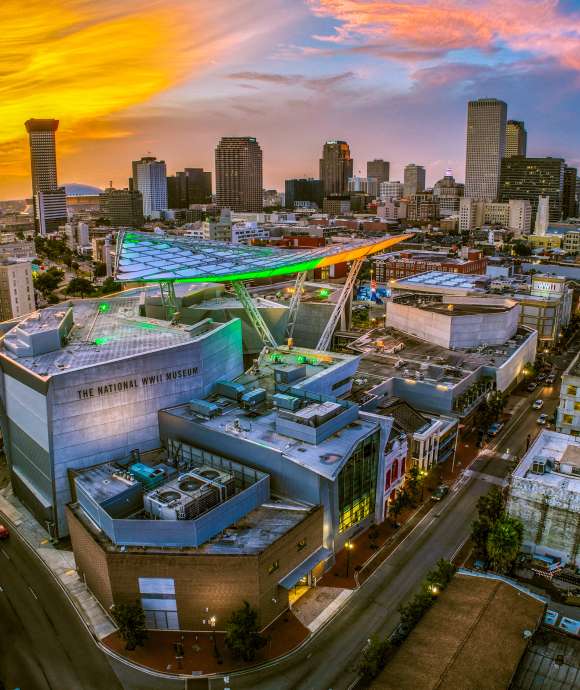
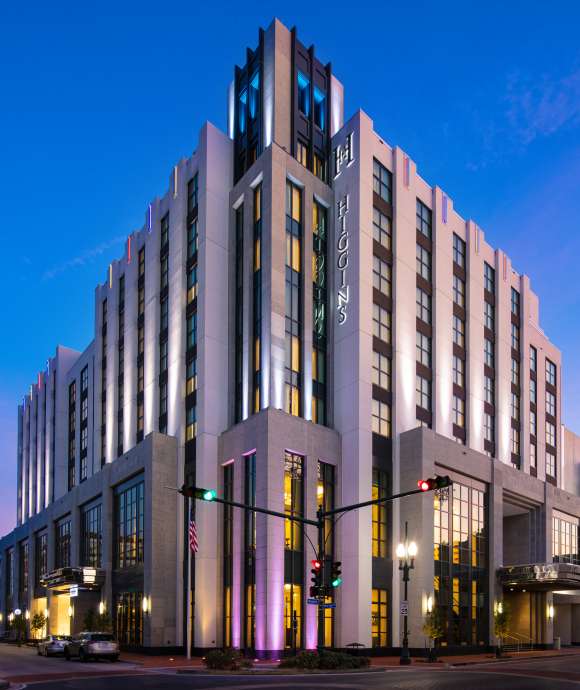
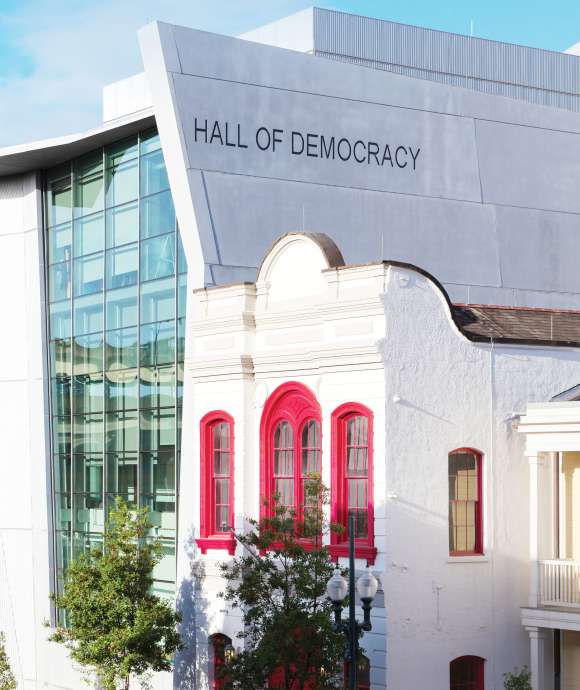
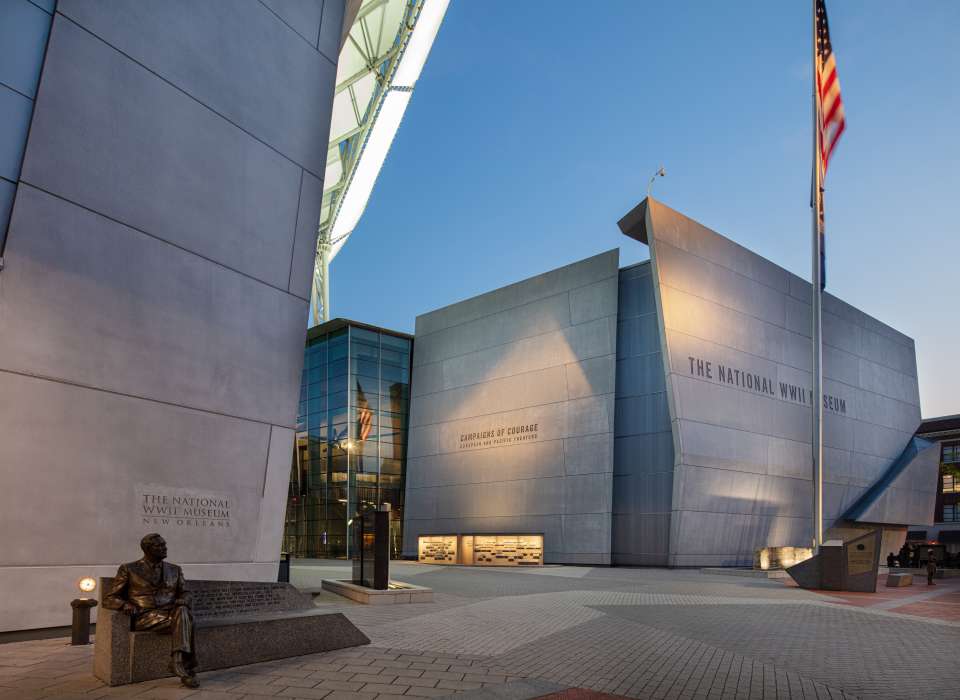


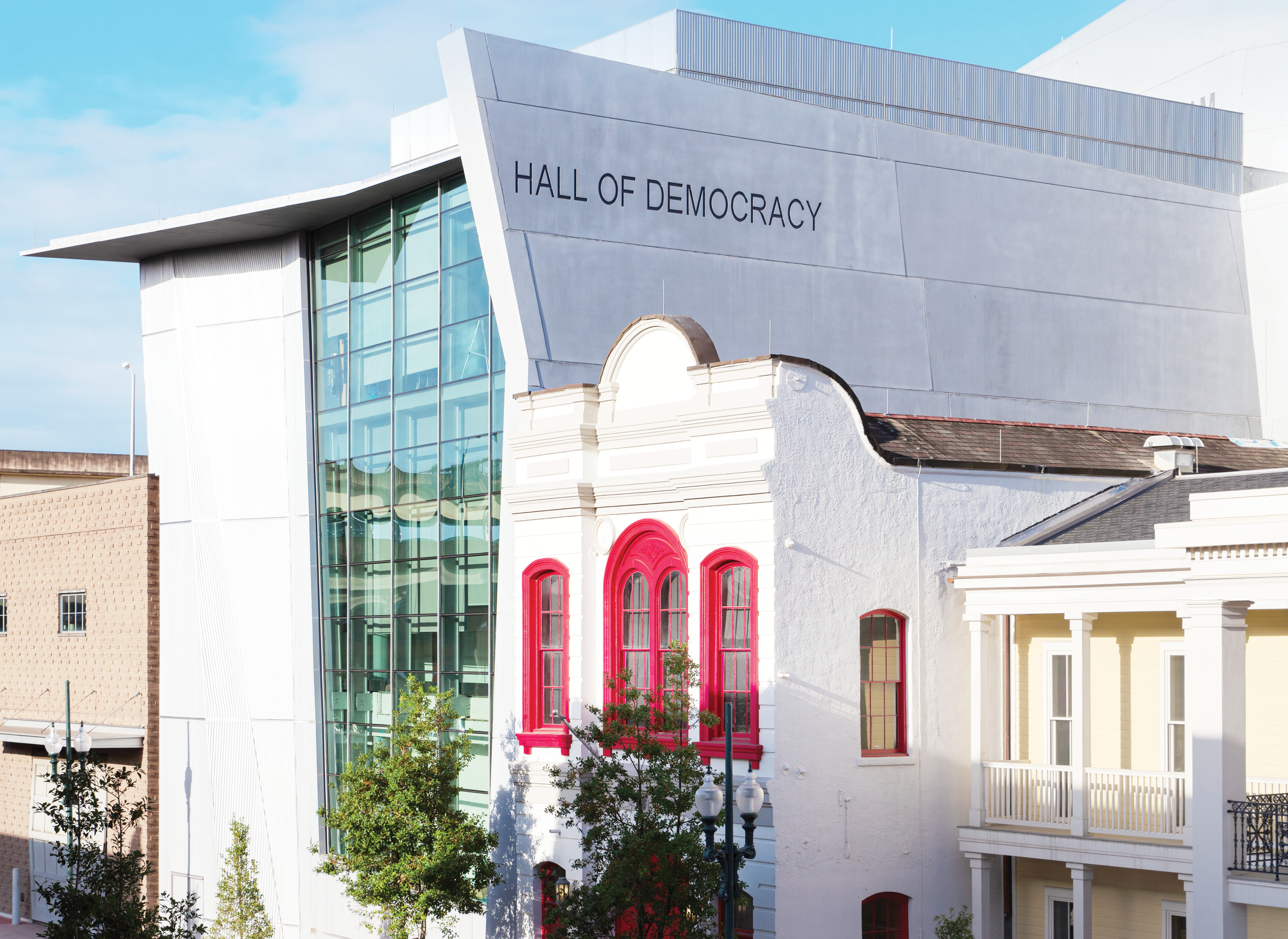
The exterior of The National World War II Museum

 The Museum’s C-47, which flies aloft over the Louisiana Memorial Pavilion, took part in the Normandy invasion, Operation Market Garden, the Battle of the Bulge and Operation Varsity.

Museum Exterior 
Footage of the museum's exterior features, including a view of the Louisiana Memorial Pavillion.

Museum Interior 
Footage of the museum's interior, including the aircraft hanging over the Louisiana Memorial Pavillion.


 normandy beach

Normandy Archival Footage 
Archival footage of the D-Day invasion of Normandy, France.
Normandy Location Footage 
On location footage of the beaches of Normandy, France.


Images

Click on an image to download a high resolution file. Please credit all images to The National World War II Museum.

 The exterior of The National World War II Museum

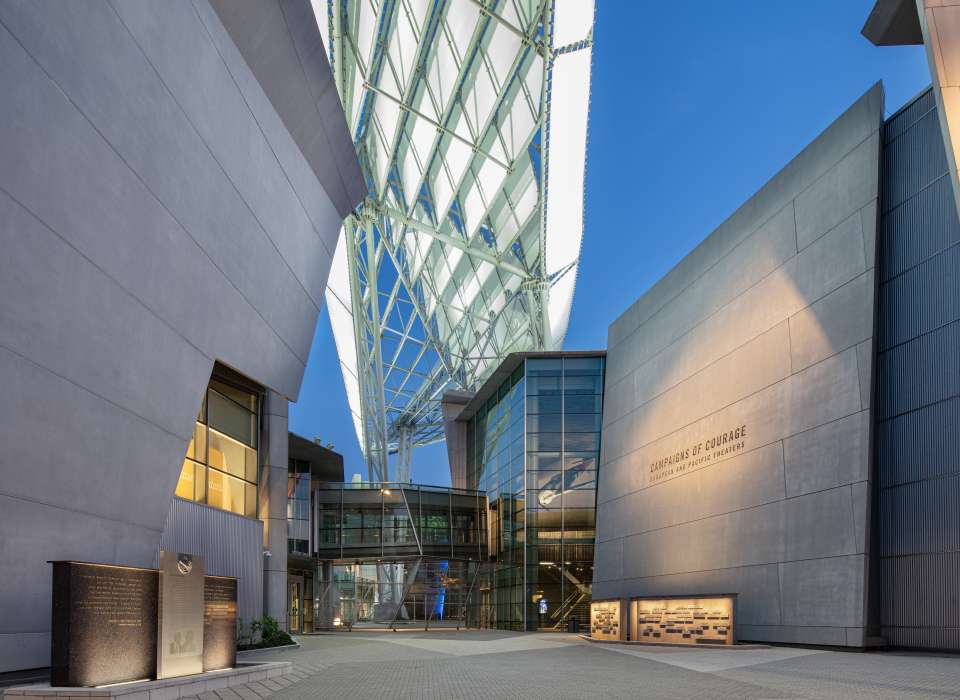
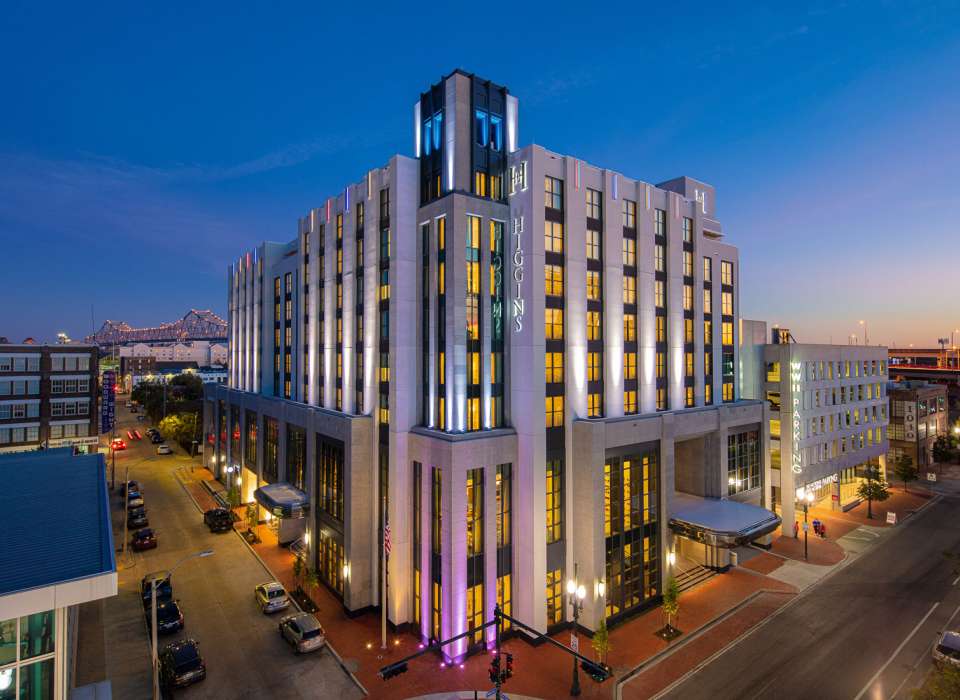
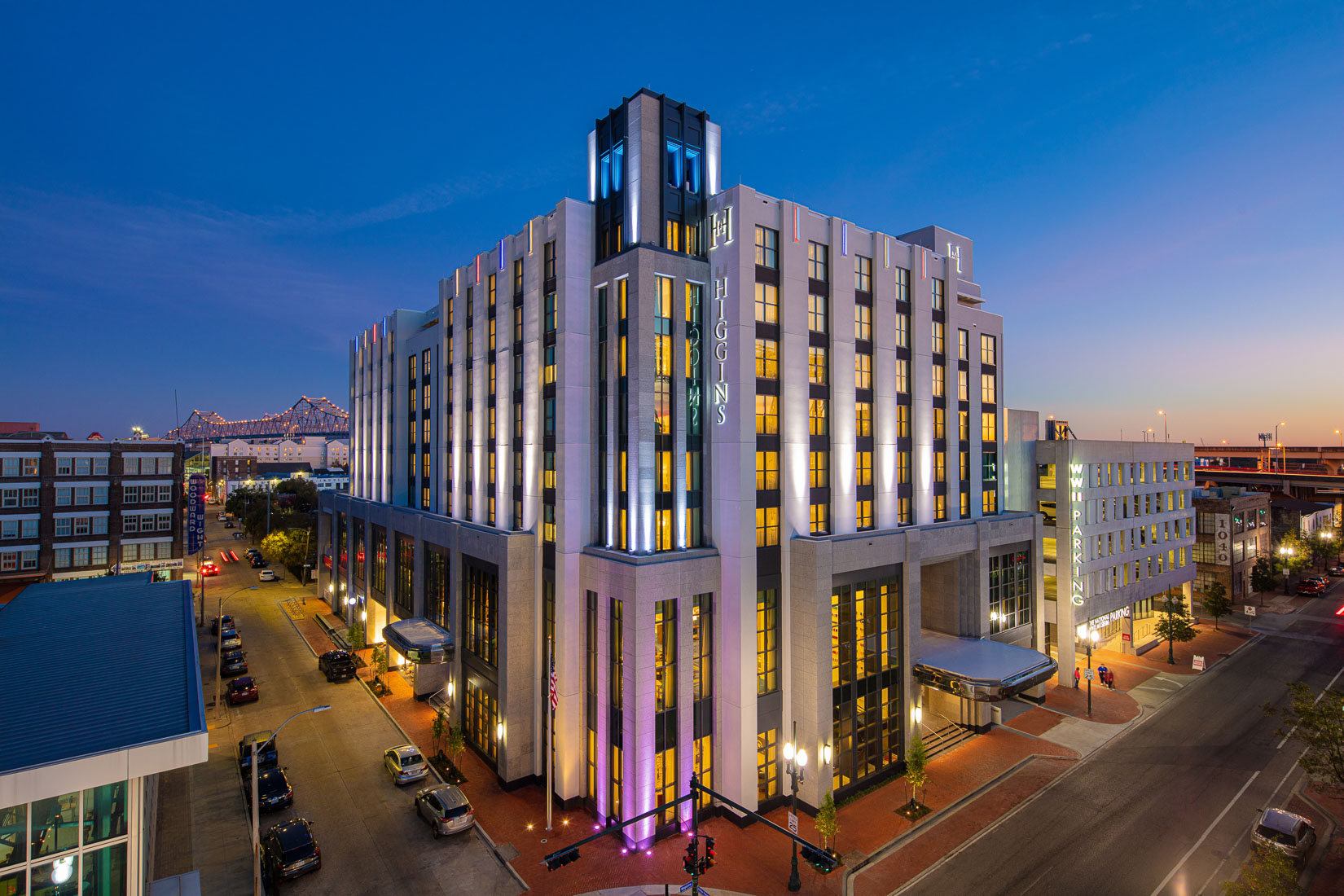
 The National World War II Museum at Night

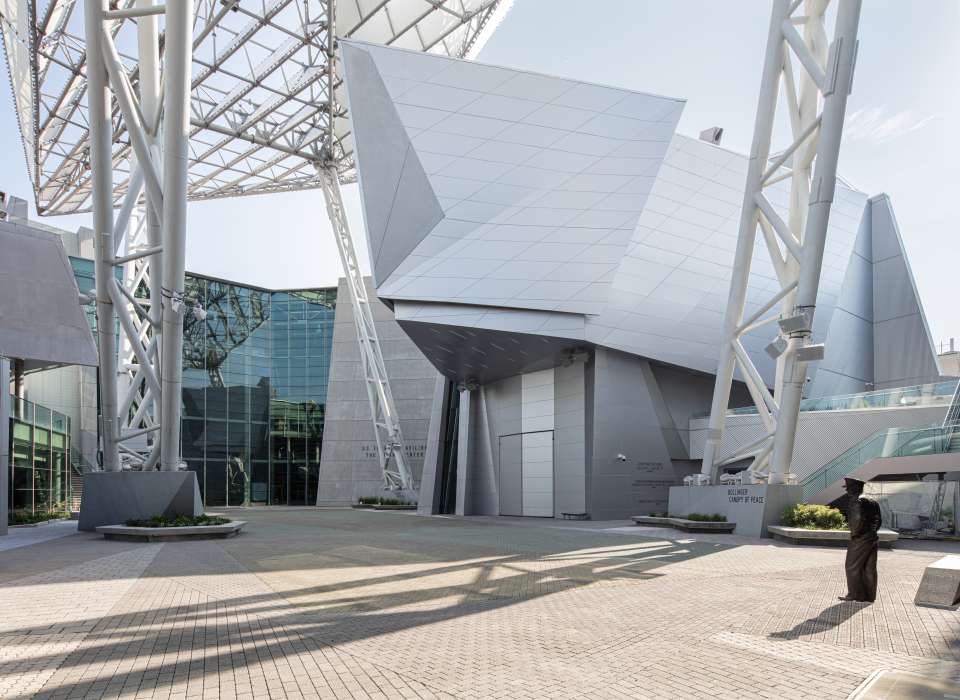
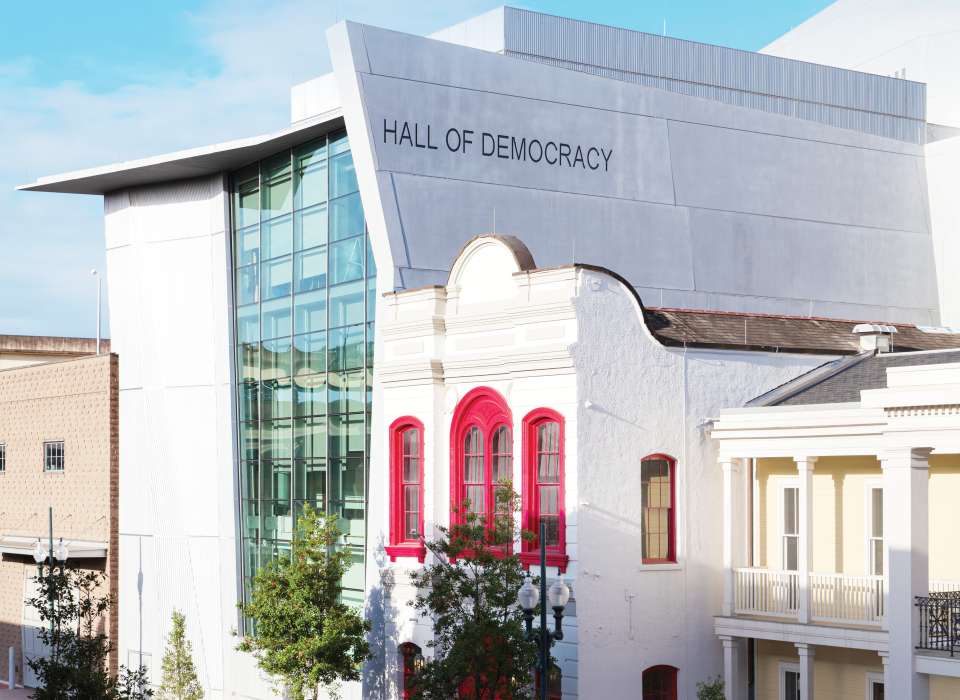
Exterior
View of the Louisiana Memorial Pavilion of The National World War II Museum on Andrew Higgins Drive in New Orleans
Exterior Night
The Museum's Louisiana Memorial Pavilion on Andrew Higgins Drive

 The Museum’s C-47, which flies aloft over the Louisiana Memorial Pavilion, took part in the Normandy invasion, Operation Market Garden, the Battle of the Bulge and Operation Varsity.


C-47
The Museum’s C-47, which flies aloft over the Louisiana Memorial Pavilion, took part in the Normandy invasion, Operation Market Garden, the Battle of the Bulge and Operation Varsity.
Higgins Boat
A reproduction LCVP (Landing Craft Vehicle Personnel) or Higgins Boat, built from original WWII plans by former Higgins employees is displayed at the museum.

 The War Clouds exhibit illustrates the imbalance of power between Germany, Japan and the United States in 1939.

 The Home Front exhibition explores wartime shortages, Rosie Riveters, draft boards and the art of the propaganda poster.

War Clouds
The War Clouds exhibit illustrates the imbalance of power between Germany, Japan and the United States in 1939.
Home Front
The Home Front exhibition explores wartime shortages, Rosie Riveters, draft boards, boot camp and the art of the propaganda poster.

 Museum exhibits featuring Higgins Industry artifacts reveal an important connection between New Orleans and the beaches of Normandy.

 The typical uniform and weapons of a German Infantryman and an American Assualt Infantryman in 1944 on display at the Museum.

Higgins Industries
Museum exhibits featuring Higgins Industries artifacts reveal the important connection between New Orleans and the beaches of Normandy.
Uniforms
The typical uniform and weapons of a German Infantryman and an American Assualt Infantryman in 1944 on display at the Museum.

 A wounded glider in the fields of France represents a very dangerous and little-known aspect of the history of World War II.

 The recreation of the hedgerows that covered Western Normandy illustrates difficult fighting terrain for the Allies.

Normandy - Glider
A wounded glider in the fields of France represents a very dangerous and little-known aspect of the history of World War II.
Hedgerows
The recreation of the hedgerows that covered Western Normandy illustrates difficult fighting terrain for the Allies.

 The Air and Sea Armada exhibit displays the greatest invsaion force in history with models of Allied attack boats and planes.

A giant high-definition map summarizes battles that took place throughout the Pacific Theater. 

Air and Sea
The Air and Sea Armada exhibit displays the greatest invsaion force in history with models of Allied attack boats and planes.
Pacific Theater – Animated  Map
A giant high-definition map summarizes battles that took place throughout the Pacific Theater.

 Artifacts, posters, videos and interactive touch screens help audiences learn about race issues and warfare in the Pacific Theater of World War II.

 Artifacts, posters, videos and interactive touch screens help audiences learn about race issues and warfare in the Pacific Theater of World War II.

Race & War
Artifacts, posters, videos and interactive touch screens help audiences learn about race issues and warfare in the Pacific Theater of World War II.
Pacific Theater
Visitors are surrounded by photographs of life in the Pacific Theater of World War II. On display in the Museum's Pacific exhibit.

 Museum founder Stephen E. Ambrose talks with World War II Reenactors at the June 6, 2000, opening events.


Ambrose
Museum founder Stephen E. Ambrose talks with World War II Reenactors at the June 6, 2000, opening events.
Pavilion
The Louisiana Memorial Pavilion makes a spectacular location for Museum-sponsored and private functions.

 American soldiers landing on the coast of France during the D-Day invasions.

A photograph of women war workers assembling fuselage sections is displayed in The D-Day National Museum. 

Normandy
American soldiers landing on the coast of France during the D-Day invasions.
Women
A photograph of women war workers assembling fuselage sections is displayed in The Home Front Exhibition.

US Marine Raiders on Cape Totkins on Bougainville Soloman Islands. 

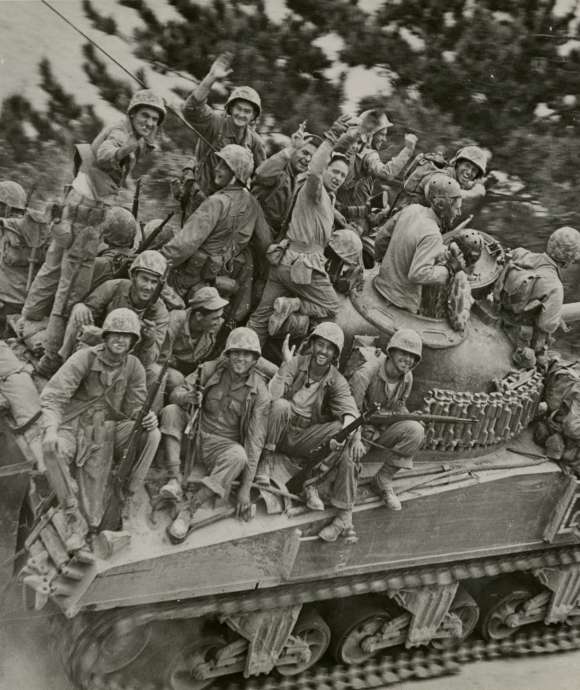
 Marine dashes through Death Valley on Okinawa.

Marines
US Marine Raiders on Cape Totkins on Bougainville Soloman Islands.
Okinawa
A Marine dashes through Death Valley on Okinawa.

Views from D-Day

The following images were all taken as part of the build-up for the Normandy invasion, on June 6 and in the days of fighting after the initial invasion as troops headed inland.

Please credit all photos: Courtesy of The National World War II Museum.

Barrage Balloons
African American soldiers of the 320th Anti-Aircraft Barrage Balloon Battalion, 1st U.S. Army prepare to deploy a barrage balloon on Utah Beach during the Normandy invasion. U.S. forces were racially segregated until after World War II, and the 320th was one of several African American units that landed on D-Day.

Build-up to D-Day
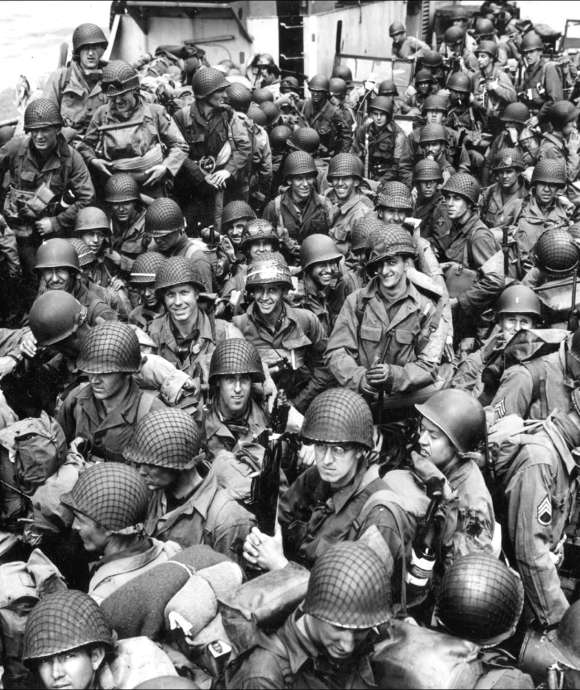
Troops wait for arrival on Normandy beaches as part of the build-up to D-Day.

Chaplain
A chaplain serves over dead Airborne troops following the June 6 D-Day invasion.

Crossed Rifles
Crossed rifles in the sand form a tribute to a soldier who never made it off of Omaha Beach on June 6, 1944.

D-Day C47
Paratroopers and aircrew of Pathfinder Team #2 of the 508th Parachute Infantry Regiment, 82nd Airborne Division prepare for takeoff on June 5, 1944. The Douglas C-47 in the background now hangs aloft at The National World War II Museum in New Orleans on permanent display.

D-Day Glider
Many airborne troops landed in Normandy in specially designed gliders that could transport soldiers, jeeps and alight artillery. Gliders were towed across the English Channel. Over Normandy, tow ropes were released and the glider descended to earth.

D-Day LCVP
Assault troops in an LCVP anxiously prepare to unload on Omaha beach. The LCVP, also known as a “Higgins boat” was designed and built in New Orleans. Eisenhower credited the design, which allowed landings in shallow water, to the Allied victory in WWII.

D-Day Nurse
An Army nurse works in a field hospital. Nurses began landing on the Normandy beachhead four days after the initial invasion. The first to arrive were members of the 42nd and 45th Field Hospitals and the 91st and 128th Evacuation Hospitals.

D-Day Paratrooper
A heavily burdened paratrooper, armed with a Thompson M1 submachine gun, climbs into a transport plane bound for France.

Eisenhower
General Dwight D. Eisenhower, Supreme Commander of the Allied Expeditionary Force, speaks with Lieutenant Wallace C. Strobel, a paratrooper in the 101st Airborne Division, at Greenham Common airfield on the evening of June 5, 1944.

GIs and Medics
The men of the 16th Infantry Regiment of the 1st Division huddle under chalk cliffs at the edge of Omaha beach near Colleville-sur-Mer on the morning of June 6, 1944. The men, some wounded, are regrouping before moving inland.

LCVP
Assault troops approach Omaha Beach, June 6, 1944. The original caption for this iconic image read “Landing on the coast of France under heavy Nazi machine gun fire are these American soldiers, shown just as they left the ramp of a Coast Guard landing boat.”

Omaha Ducks
American troops in DUKWs (commonly known as Ducks) and halftracks going ashore on Omaha Beach.

Omaha, June 7, 1944
American GIs heading toward the shoreline of Omaha Beach around June 7, 1944.

Omaha LCVP
Tightly packed troops crouch inside their LCVP as it plows through a wave. In the distance is the coast of Normandy.

Omaha Soldier
A U.S. soldier with a 1917A1 machine gun moves inland from Omaha beach.

Tom Blakey
Tom Blakey, a D-Day veteran, was a paratrooper with the 101st Airborne. Blakey now volunteers his time at The National World War II Museum where he interacts with visitors of all ages.

Tom Blakey
Tom Blakey, a D-Day veteran, was a paratrooper with the 101st Airborne. Blakey now volunteers his time at The National World War II Museum where he interacts with visitors of all ages.


Don’t see the image you are looking for? Email us with what you need. Please specify your publication and deadline. 


Powered by Convio
nonprofit software