
The National WWII Museum offers the following fast-paced, interactive lessons that are videoconferenced LIVE into classrooms across the country. Guided by a Museum educator, students analyze maps, photographs, artifacts, posters, speeches, and songs as they explore the chronologies, strategies, motivations, and outcomes behind these fascinating chapters of WWII history. All sessions are built to invite student participation and allow for a Q&A at the end.
These Virtual Field Trips are not virtual tours of the Museum.
Virtual Field Trips are $100 per session.
Virtual Field Trips are typically held between 7:00 a.m. and 4:00 p.m. CT. If you need to book outside of those hours or would like to book multiple/consecutive Virtual Field Trips, please email the Distance Learning team.
Explore all of our program offerings below.
Virtual Field Trip Options
Register for Yours Today-

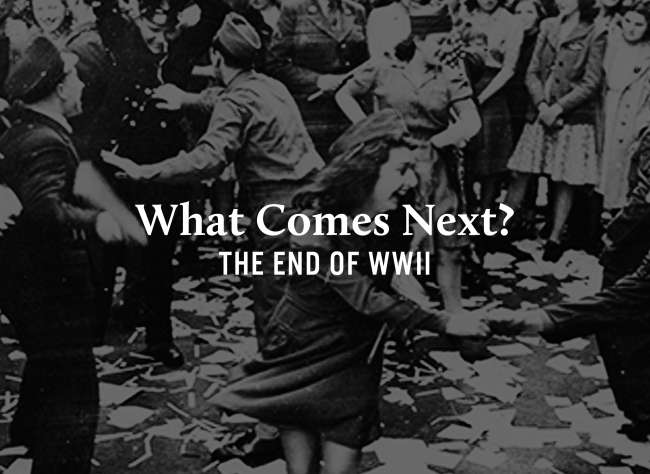
What Comes Next: The End of World War II
This Virtual Field Trip focuses on what comes next in the five years following World War II in Europe and Japan. Students will learn about how the United States and the other Allied Powers began the process of rebuilding and recovery after the war. This Virtual Field Trip will cover topics including the creation of the United Nations, the Marshall Plan, the Nuremberg Trials, and the Occupation of Japan. Utilizing primary sources like maps, photographs, and oral histories from the Museum’s collection, students will learn about the state of the world after World War II.
-
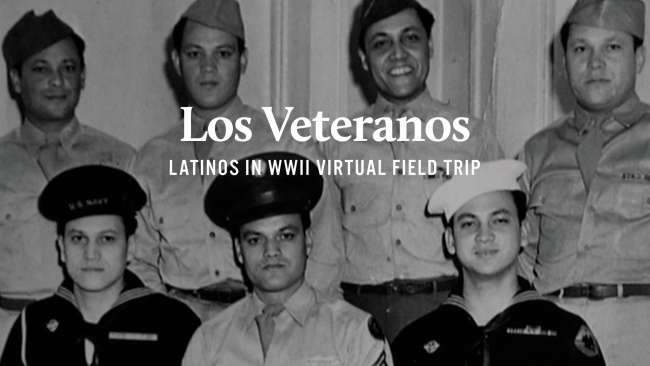
Los Veteranos: Latinos in WWII
An important part of U.S. history long before WWII, the war gave Latinos new opportunities and presented them with new challenges. Because Latinos did not serve in segregated units, as African Americans did, their WWII history is sometimes overlooked. Was that history unique, and if so, how? Students learn about Latino WWII heroes and average soldiers, as well as issues of ethnicity and acculturation on the Home Front.
This program is offered free of charge during National Hispanic Heritage Month (September 15- October 15) through generous support from Pan American Life Insurance Group.
-
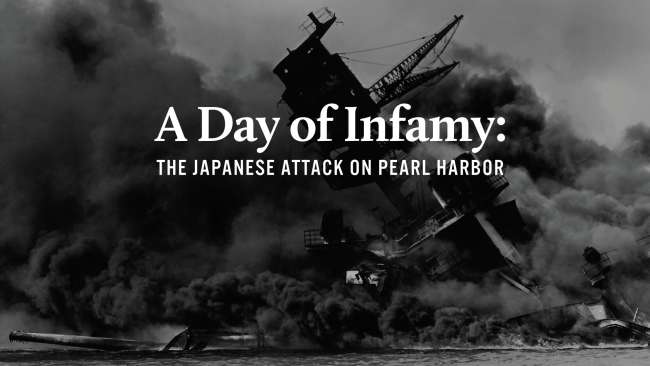
A Day of Infamy: The Japanese Attack on Pearl Harbor
In the war that changed the world it was the day that changed the war—a “Day of Infamy.” That day brought the United States into WWII, adding the strength and determination of the American people to the Allied arsenal as it struggled to defeat the Axis. Students explore Japanese and American motivations and actions through animated maps and both Japanese and American primary sources.
-
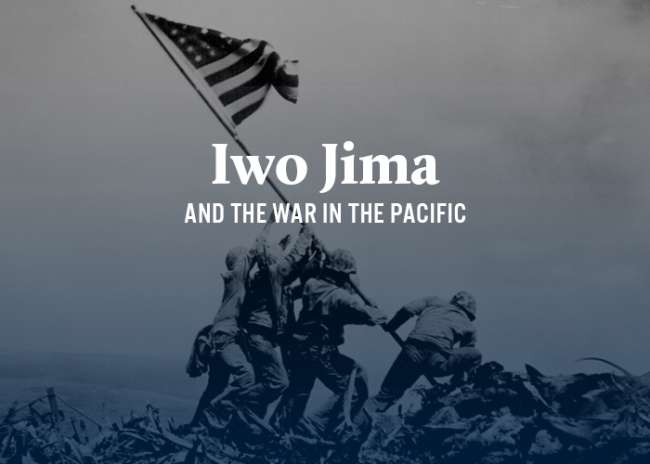
Iwo Jima and the War in the Pacific
Students learn about the vastness of the Pacific Theater by exploring its geography. They survey the Island Hopping campaign using maps and viewing video of oral histories. Next they will try their hand at being historians through an artifact investigation of a Navy “Shellback” certificate. This leads up to the invasion of Iwo Jima. Here they explore the campaign and analyze the photograph of the flag-raising on Mt. Suribachi.
-
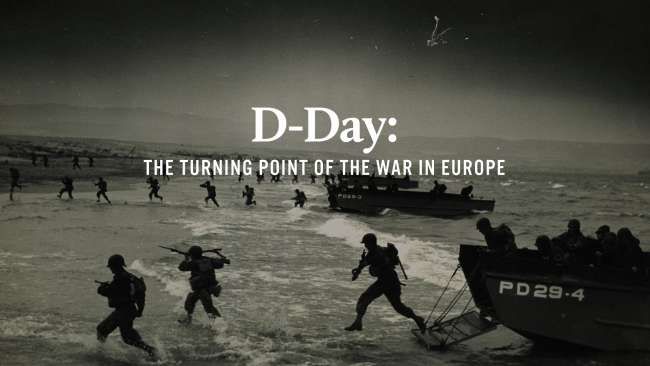
D-Day: The Turning Point of the War in Europe
Students receive background on Operation Overlord through maps and audio-visual presentations, explore a map of Northern Europe to learn about the challenges of planning and executing Operation Overlord. The students will play the role of an Allied Commander as they make decisions about where and when D-Day should be launched through voting on scenarios with their classmates. D-Day: what a difference a day makes
-
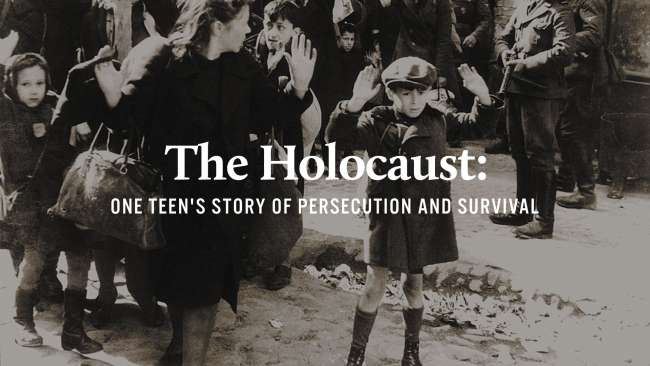
The Holocaust: One Teen's Story of Persecution and Survival
Hear personal testimony from Eva Schloss, stepsister of Anne Frank and survivor of Auschwitz. Through video recorded selections of Eva's story from the Museum's oral history collection, students will encounter the physical and emotional ordeal of going into hiding, being captured by the SS and sent to the largest concentration camp in the Third Reich. Students will understand the necessity of exploring this topic even as we approach 70 years after the war's end.
Sponsored by Taube Philanthropies and part of the Taube Family Holocaust Education Program.
-
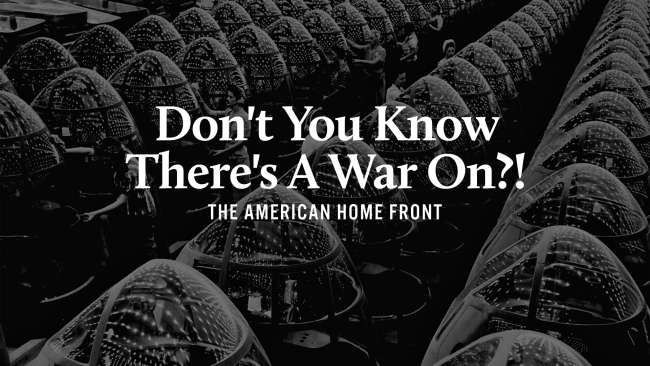
Don't You Know There's A War On?! The American Home Front
Students explore rationing, scrapping, War Bonds, and war production through the eyes of students. Together they find answers more satisfying than the wartime standard: “Don't You Know There's A War On?” Primary sources viewed include wartime newsreels, high school yearbooks, posters, photographs, and songs.
Now with two options: Book either the Upper Elementary/Middle School OR High School level program
-
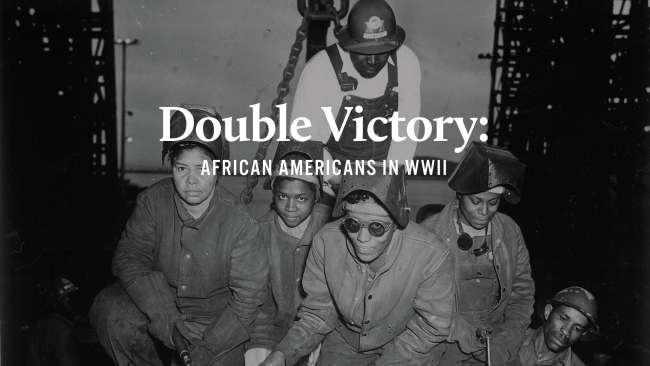
Double Victory: African Americans in WWII
Students learn about the triumphs and challenges experienced by African Americans on the battle fronts and on the Home Front. The program follows along with songs by Josh White to help the students further examine the treatment of African Americans leading up to WWII. They meet Pearl Harbor hero Dorie Miller, the Montford Point Marines, the Tuskegee Airmen, and an African American Medal of Honor recipient.
-
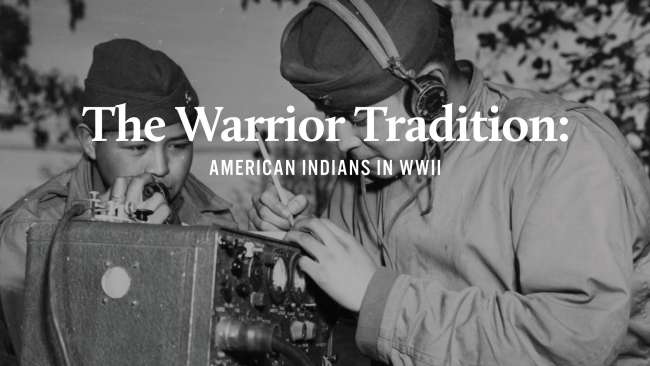
The Warrior Tradition: American Indians in WWII
In addition to the most famous group of American Indians, the Navajo Code Talkers, uncover surprising and lesser-known stories of these American Indians in uniform. Hear segments from the Museum’s oral history collection, including Medal of Honor recipient Van Barfoot,and the last surviving Crow war chief Joe Medicine Crow. With a focus on language and symbols, learn more about American Indians leading up to WWII, explore how the Code Talkers used their once-suppressed languages to successfully transmit code on the battlefront, and discuss why native language and terminology are still relevant today.
-
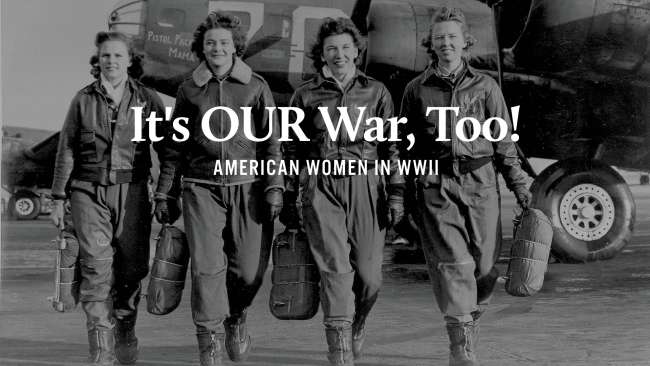
It's OUR War, Too! American Women in WWII
When Americans were called to action, women “did their part” despite stereotyping and discrimination. The war spurred many women to enter the workforce for the first time, all while managing a household alone and upholding wartime duties. Women answered the call of Uncle Sam and enlisted in military auxiliary groups, fulfilling critical roles stateside and abroad. Hear accounts from real Rosie the Riveters and women near the battle fronts. Visit the Hollywood Stage Door Canteen and discover how starlets, singers and celebrities lifted the spirits of our troops. Learn about the lasting legacy of women’s contribution to the war effort.
-
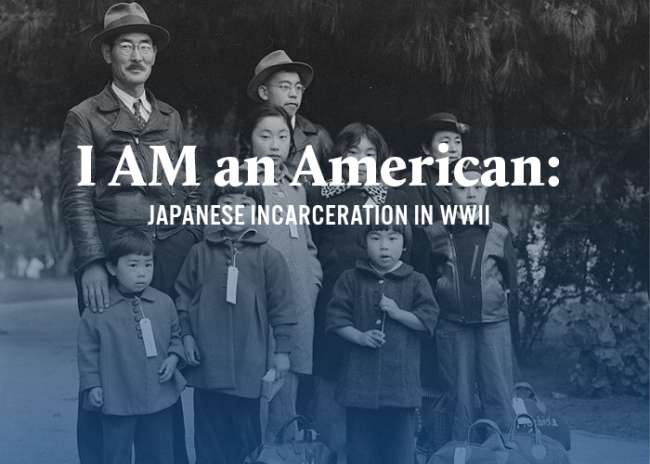
I AM an American: Japanese Incarceration in WWII
Students explore the story of Eva Hashiguchi, who spent her high-school days incarcerated in Jerome, Arkansas. Through her account, witness how wartime hysteria and racial prejudice led to one of the darkest chapters of American history. Examine the country’s actions to apologize for the injustices committed against Japanese Americans. Hear about the struggles and tremendous accomplishments of the Purple Heart Battalion.
-
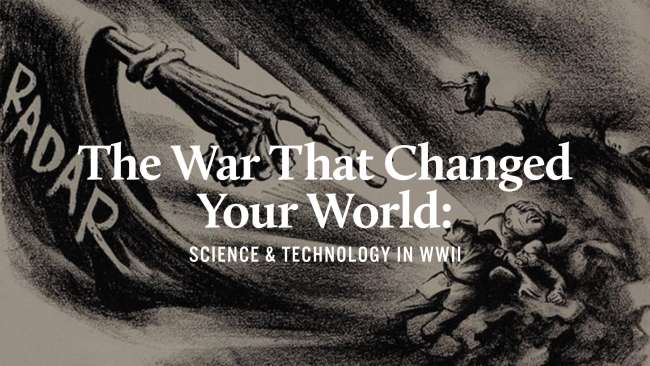
The War That Changed Your World: Science & Technology in WWII
Today’s televisions, computers, and cell phones can all trace their origins to technological advancements realized during WWII. Students learn about radar, rockets, penicillin, blood plasma, computers, and the atomic bomb; and how these inventions continue to affect their lives today.
Frequently Asked Questions
Who can participate?
K-12 classrooms, library patrons, lifelong learning groups.
This is a guided interactive experience with a trained Museum educator in our state-of-the-art distance learning studio. Although the educator will show images of the Museum on the green screen, it does not mimic a traditional field trip experience.
Is this a tour of the Museum's galleries?
No. This is a guided interactive experience with a trained Museum educator in our state-of-the-art distance learning studio. Although the educator will show images of the Museum on the green screen, it does not mimic a traditional field trip experience.
What is the program length?
Approximately one hour but we can also accommodate class periods of less than one hour.
What is the cost?
$100 per Virtual Field Trip program. Volume discounts available.
How many students can be accomodated?
These programs are designed to be experienced by one class of students at a time, so each student has more opportunity to participate. Larger groups can be accommodated.
Can I book more than one Virtual Field Trip consecutively?
For participants needing to book multiple or consecutive Virtual Field Trips, please make note of this in the ‘Other Information’ field on the reservation form, or reach out directly to the distance learning team.
What platforms are used?
We connect with schools using Zoom Meeting Rooms and Zoom Webinars. If your school uses a different platform please specify that in the booking form.
How do I book?
Complete the online request form by clicking any of the register buttons on the page. You will be able to select an available time directly on the calendar.
Are captions available?
Yes, our Zoom account has captions available during Virtual Field Trips. (Note: These captions are autogenerated and may contain errors or omissions.)
What languages are Virtual Field Trips offered in?
We currently only offer these programs in English, but we can offer autogenerated translations into most languages through our Zoom account. (Note: The translations are autogenerated and may contain errors or omissions.)
Additional Questions? Email the distance learning team.