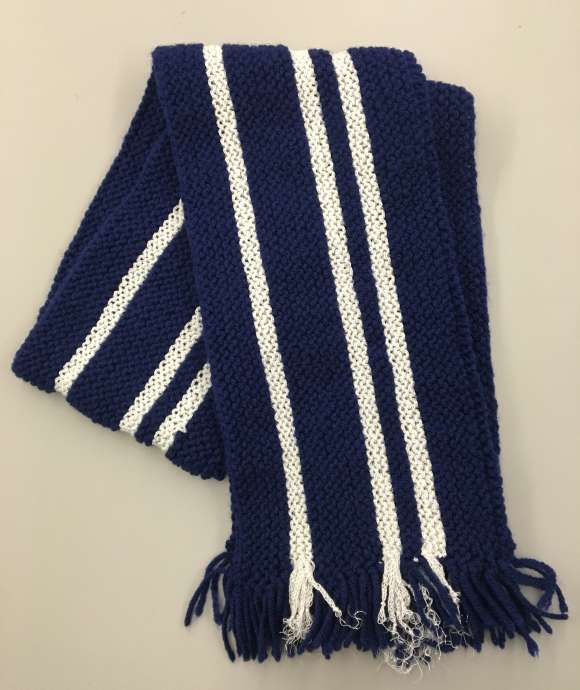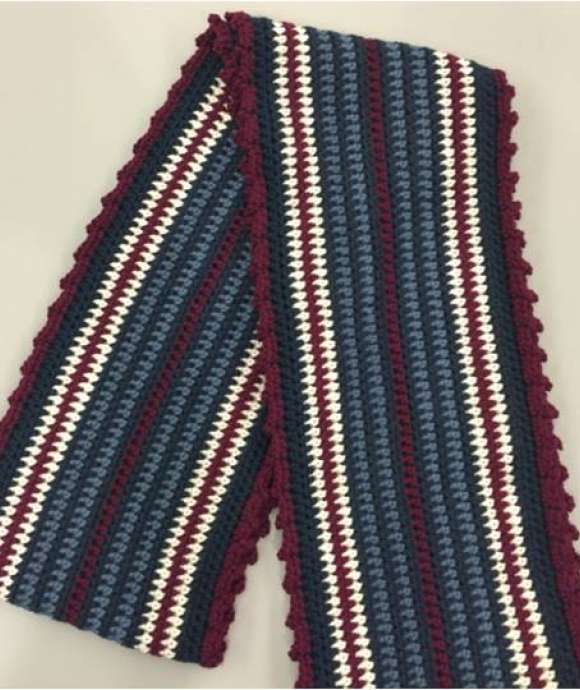
2009-2010 Pattern is here!

  Click on the pattern and stitch instructions below. Happy Knitting!


2009 Knit Pattern | 2009 Crochet Pattern | Kitchener Stitch Instruction


Click here for past years' patterns that you can knit today


The Museum is no longer accepting indvidual squares - Please send in only completed lap blankets!


 Check out our blog at  

http://www.ww2museum.typepad.com/knit_your_bit/


About Us 

How to Participate
Make a Difference - Spread the Word
Knitting Kudos and Crocheting Claps
For Your Information
Knitting during World War II


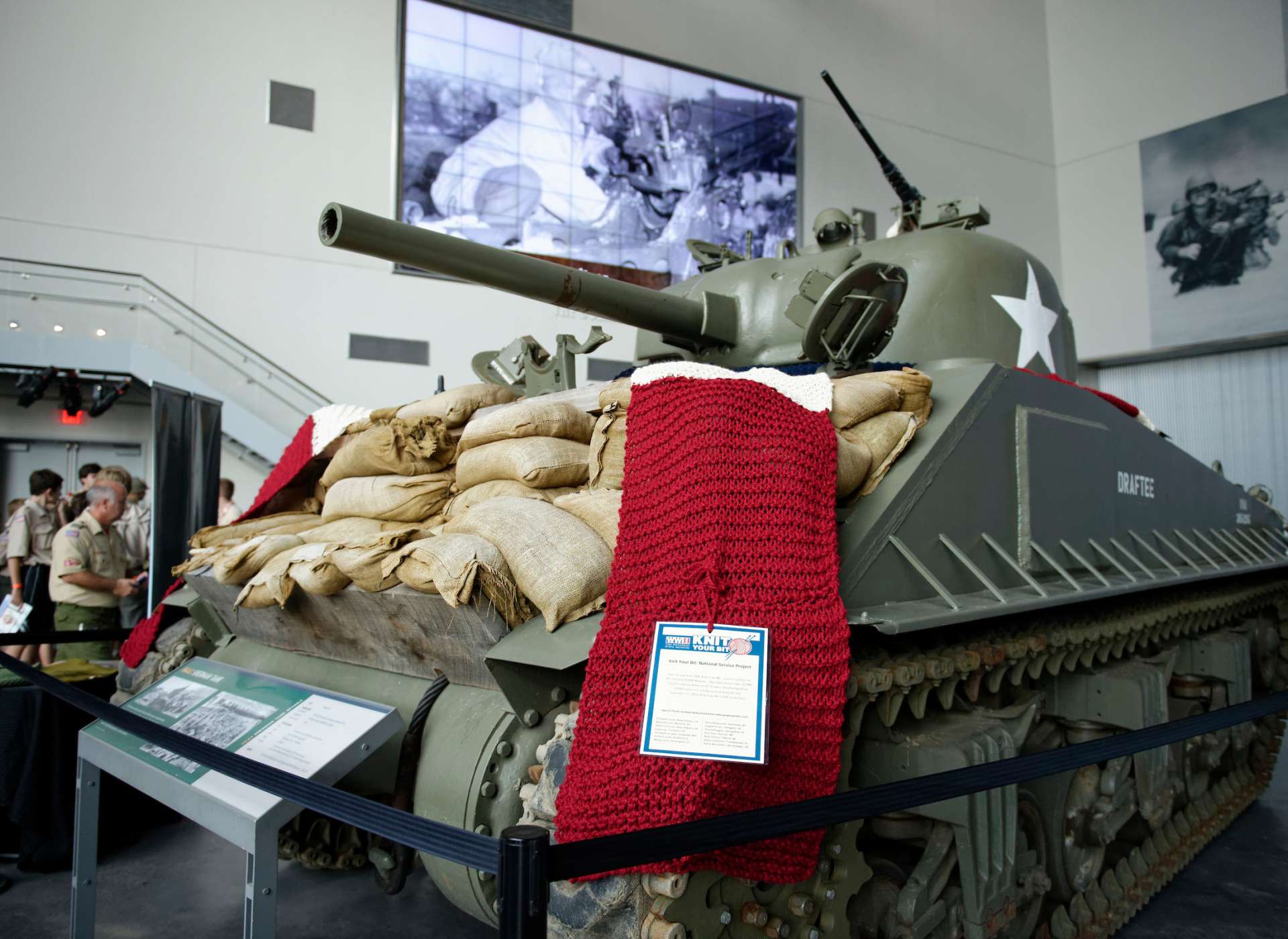
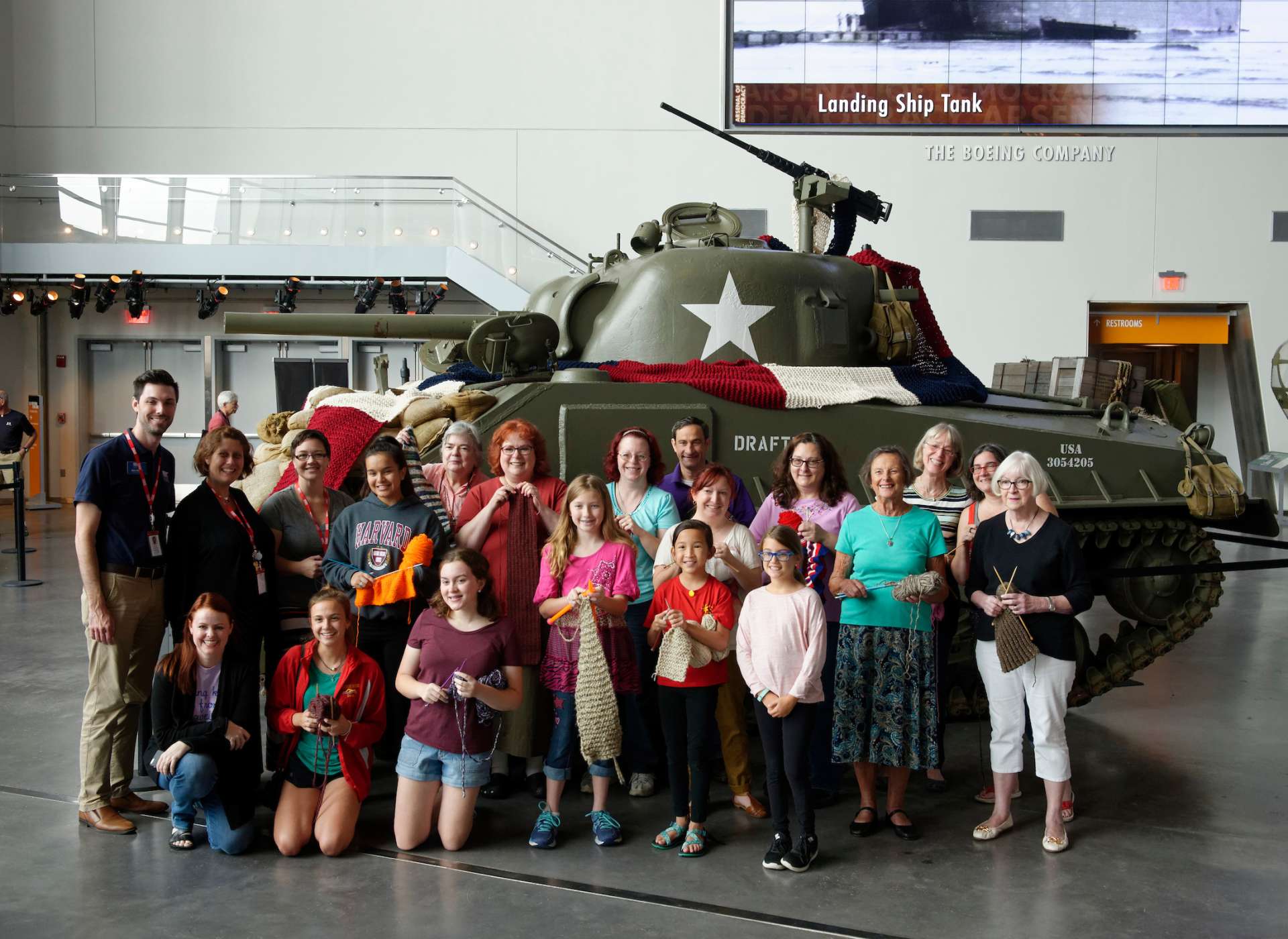
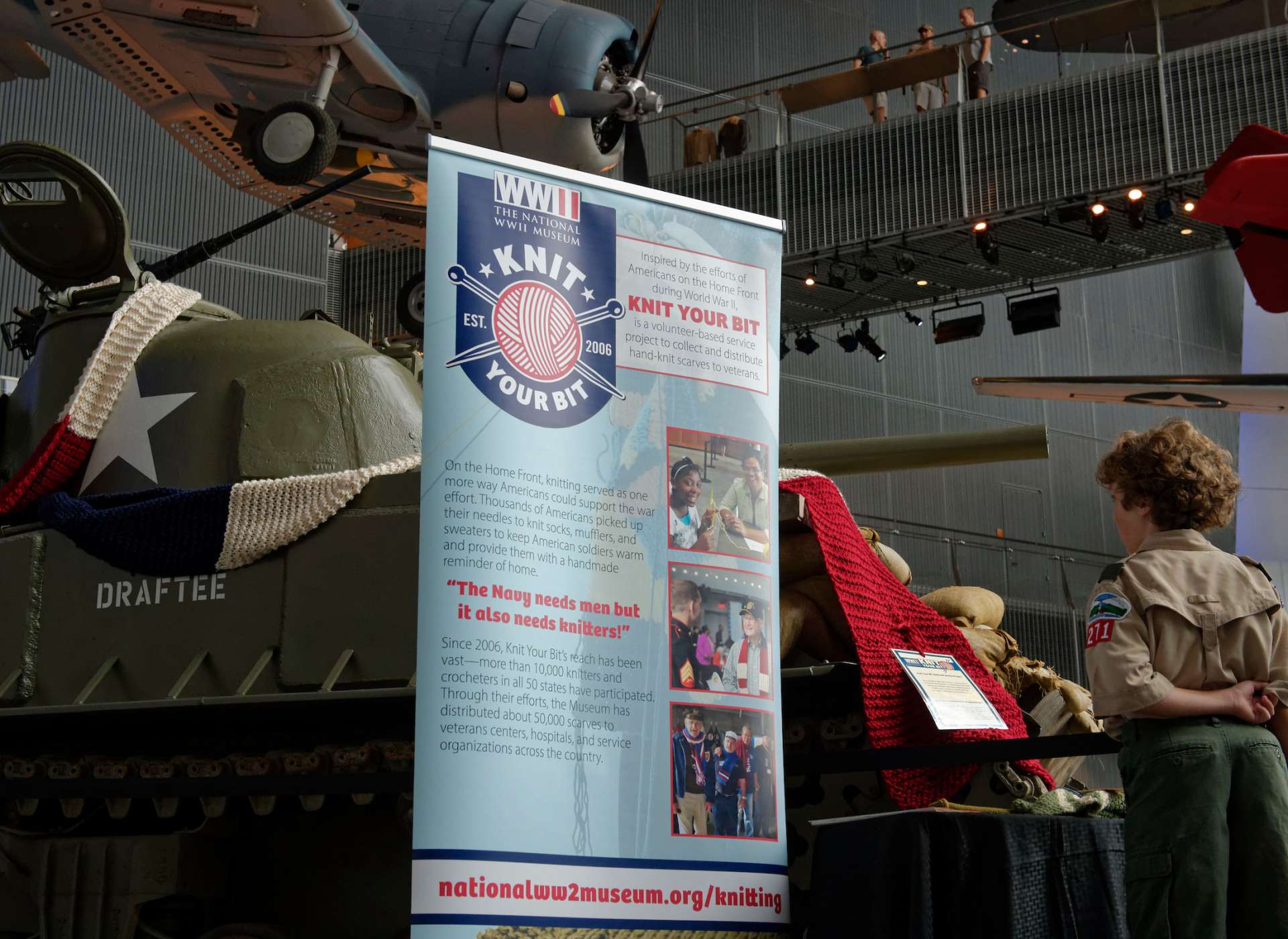
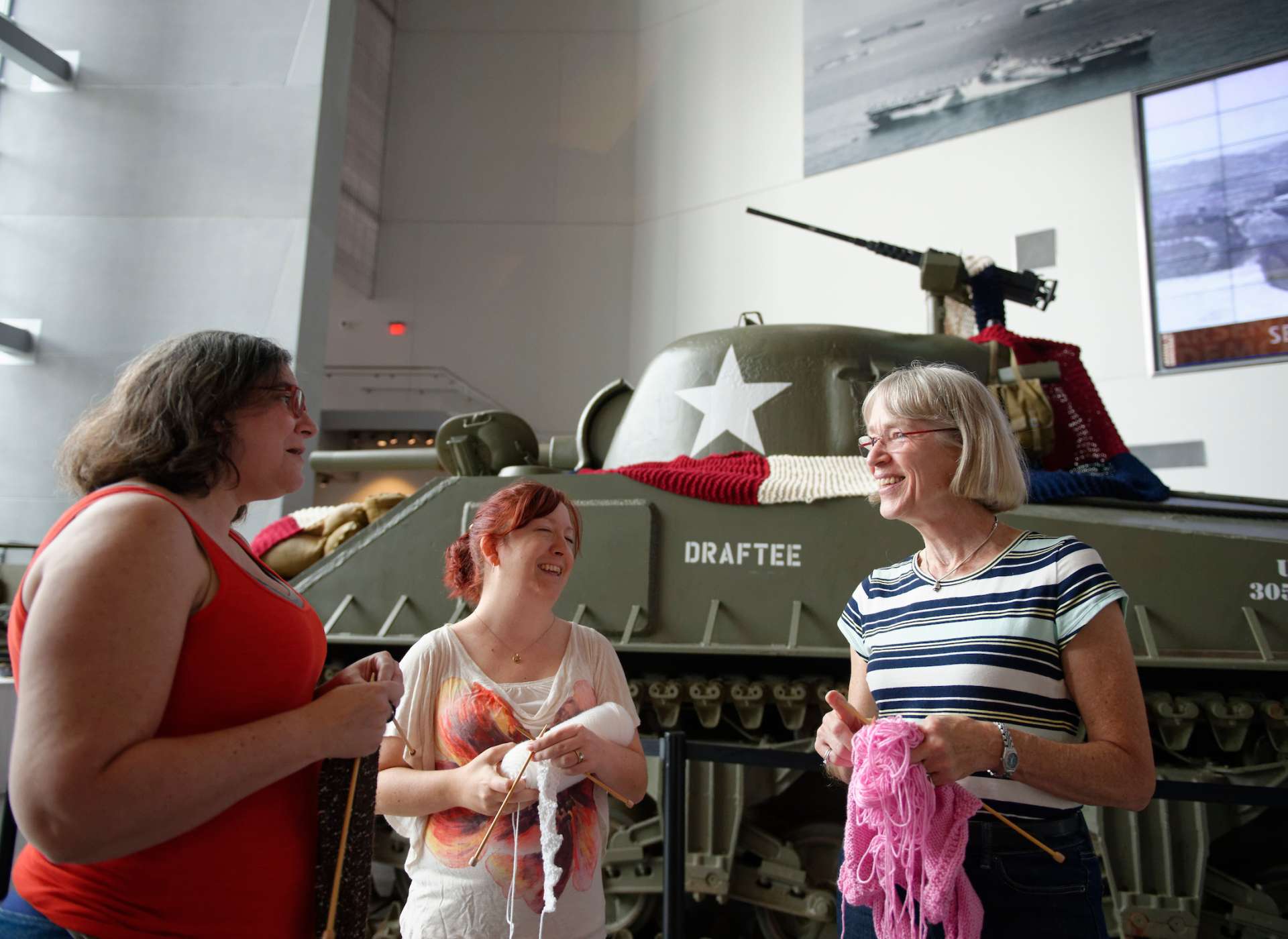
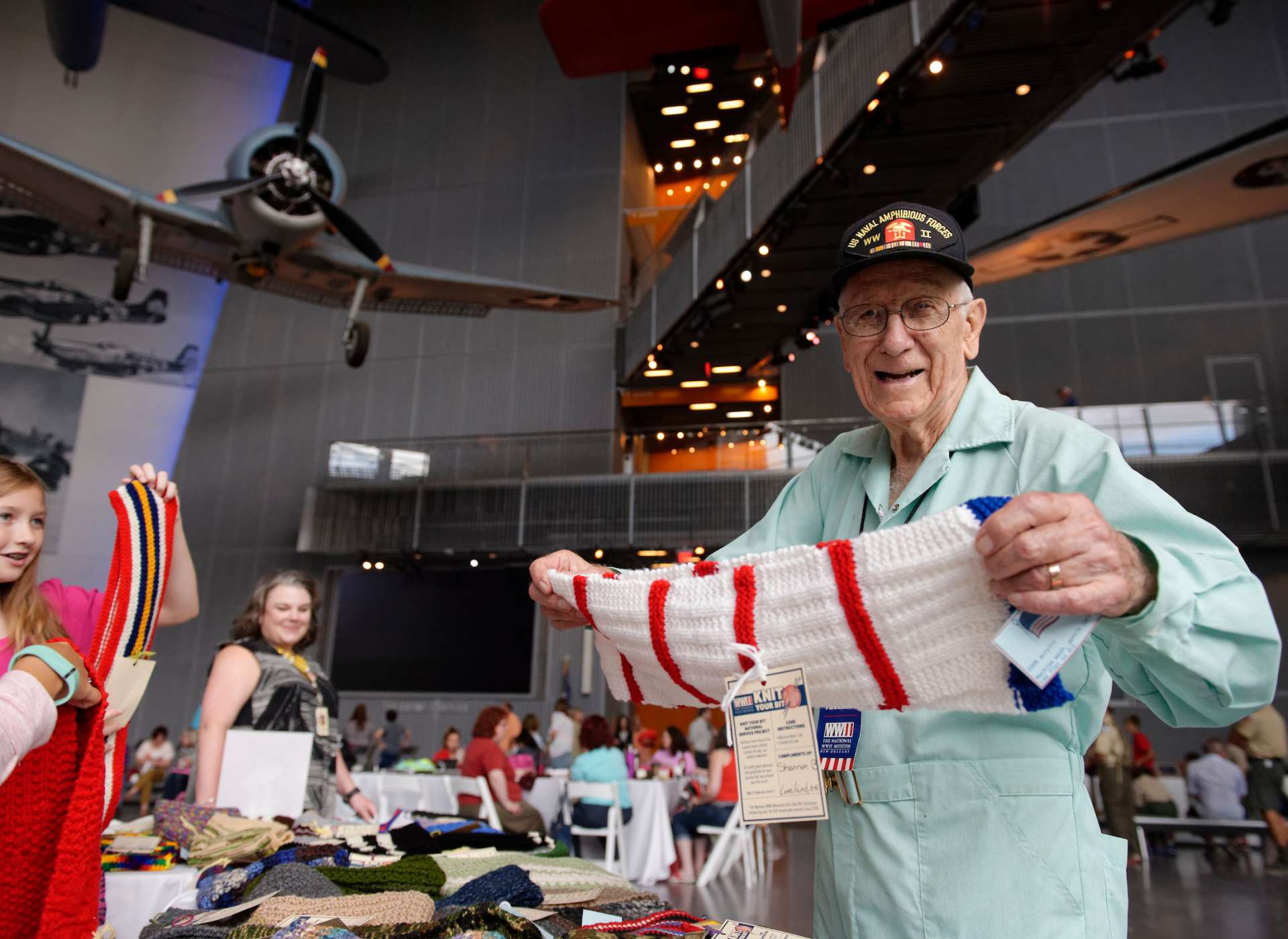
When we launched Knit Your Bit in the fall of 2006, we had no idea the response we would receive from dedicated knitters around the country. And responded you have! As we head forward with this program, the Museum has received almost 10,000 scarves from amazing knitters nationwide.

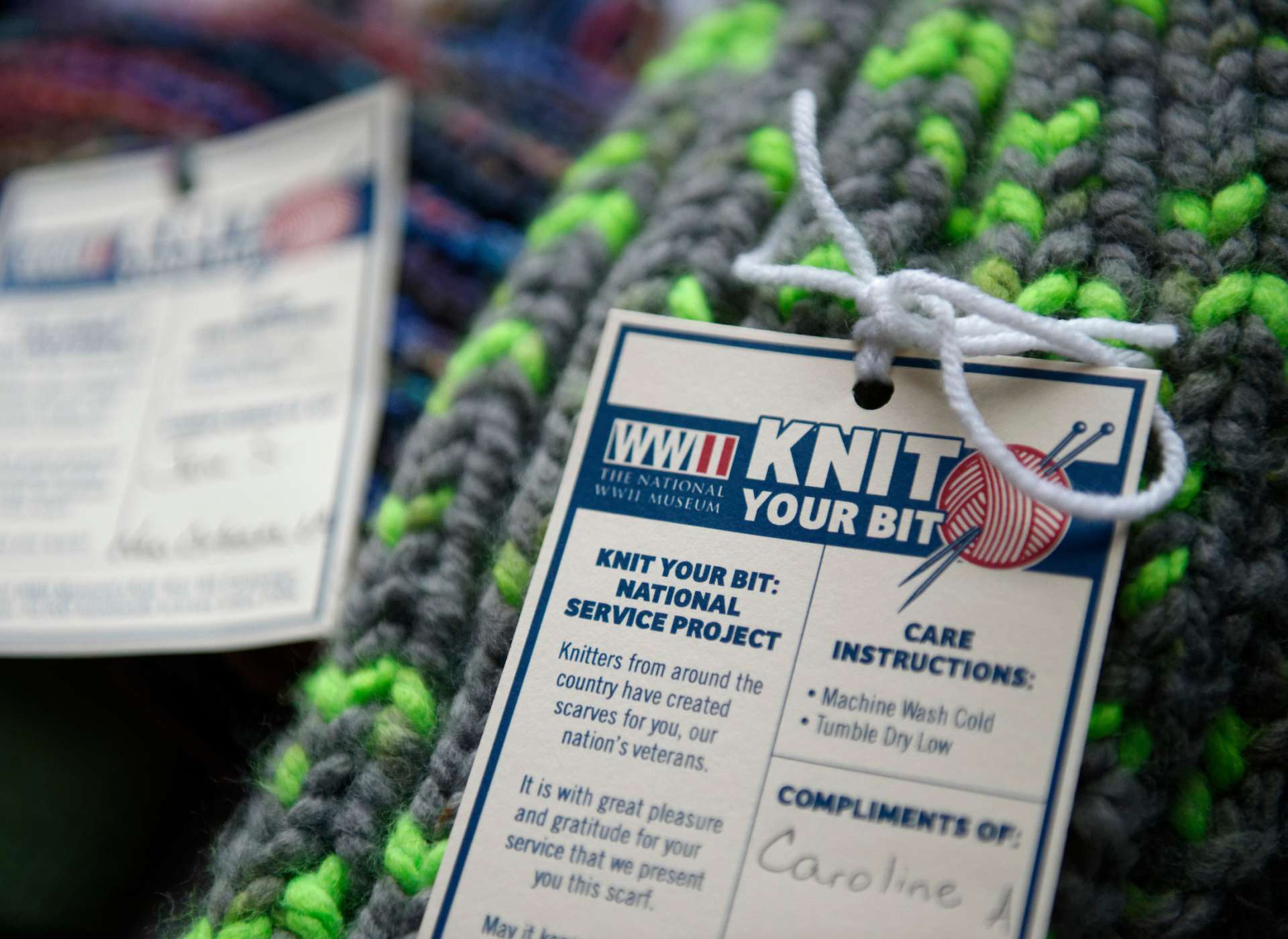
While we encourage knitters to use our patterns, we will accept any appropriate scarf. VA Centers have expressed their appreciation and are waiting for you to make a difference in veterans' lives this winter.

All of your scarves have made it to veterans throughout the country. The Campaign has generated positive feedback, good will, and warm necks. Check back regularly for updates to see our progress. 

You can help the Museum honor WWII veterans by Knitting Your Bit - in this case a simple, but cozy, scarf to be donated to a veteran in a Veterans Center somewhere in the United States.


Click here for Frequently Asked Questions.


How to Participate 

1. Select a pattern to use.  Click on the links below to view patterns from years one and two.

 Click here to download knit pattern year three
 Click here to download crochet pattern year three
 Click here to download knit pattern year two 
 Click here to download crochet pattern year two
 Click here to download year one three stripe pattern
 Click here to download crochet pattern year one


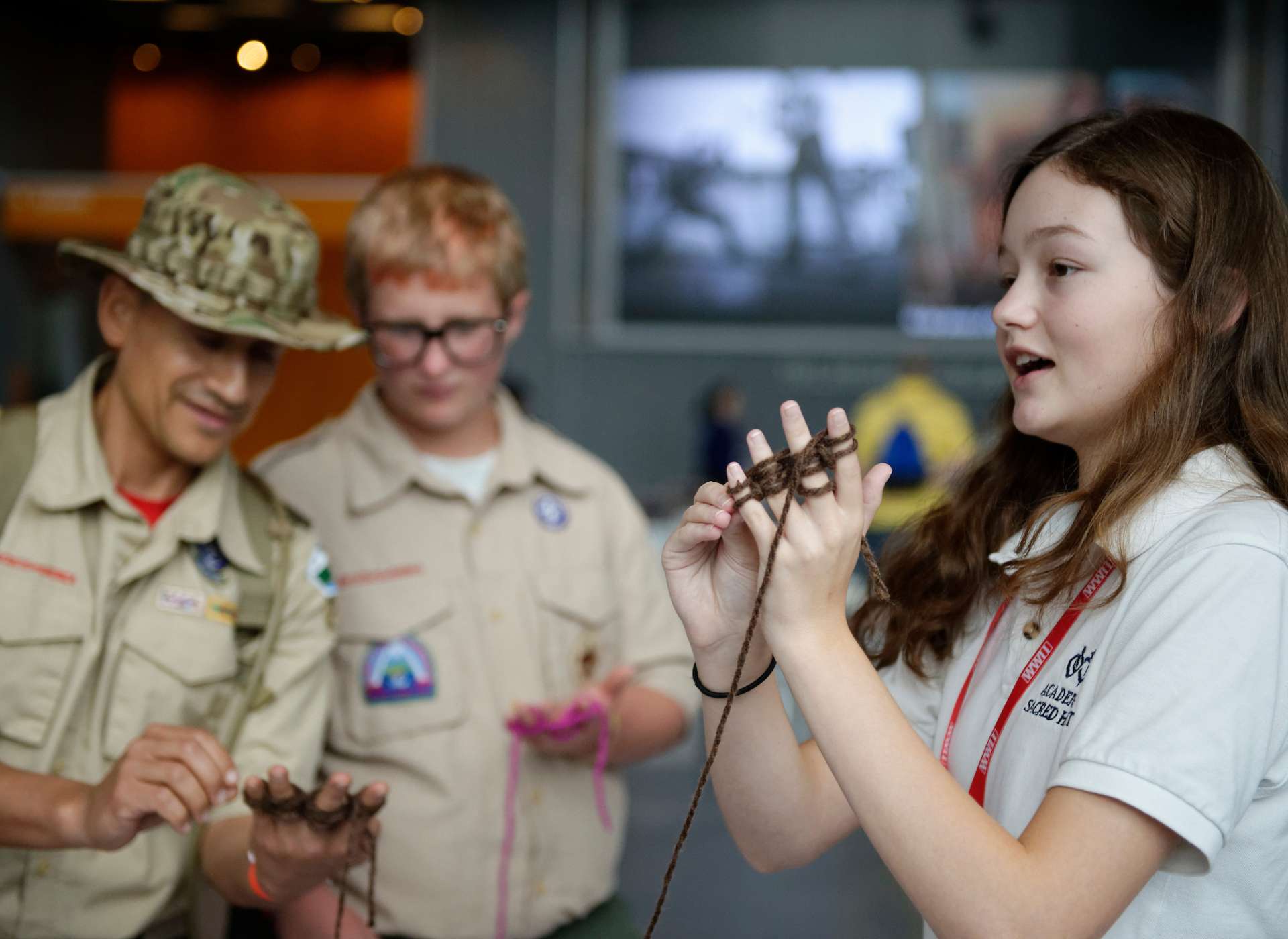
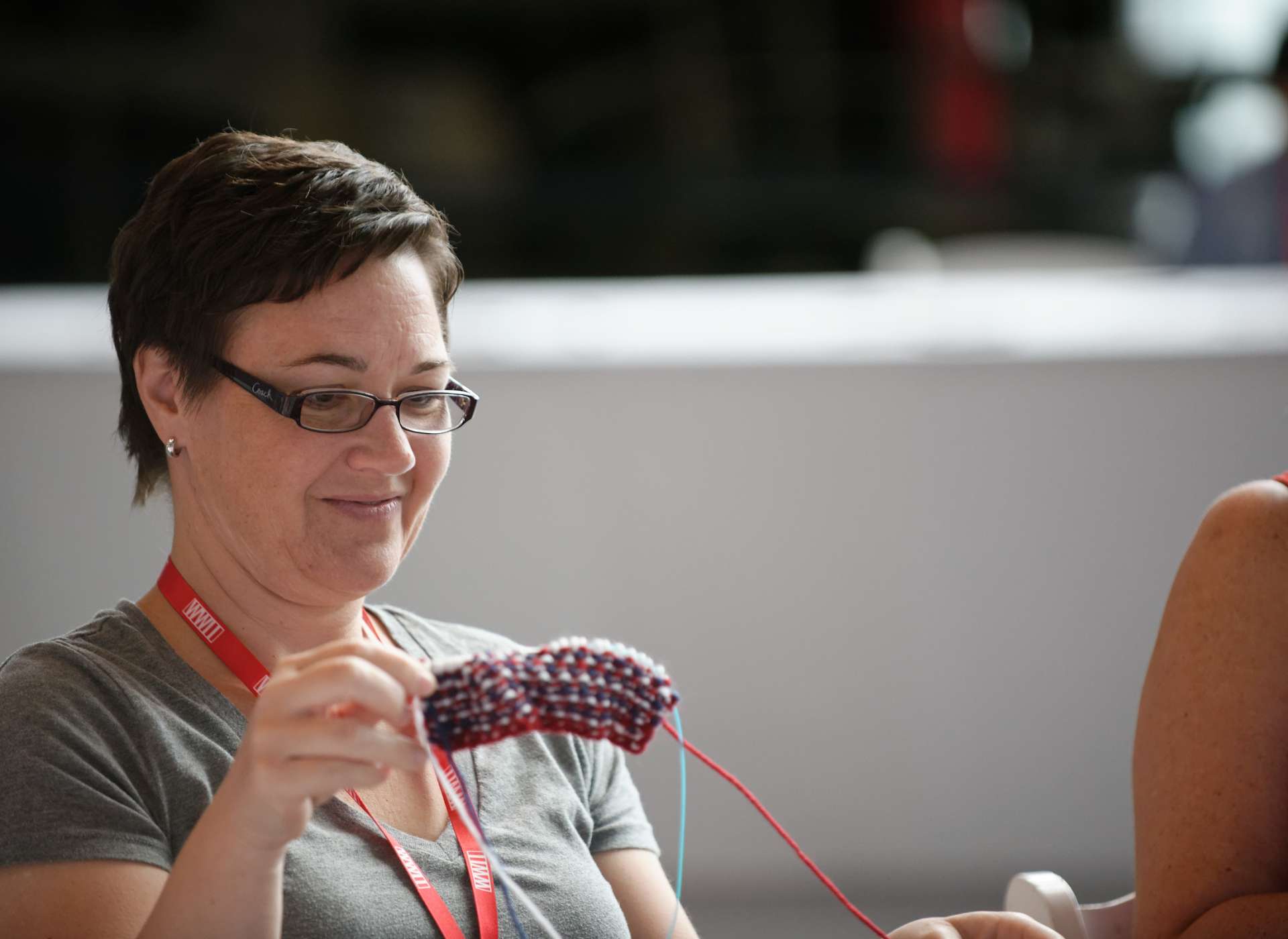
2. Grab your materials and begin knitting your scarf. If you belong to a knitting circle, why not make this a group project!

3. Mail completed scarf to:

The National World War II Museum
Knit Your Bit Campaign
945 Magazine Street
New Orleans, LA 70130


4. Please include washing instructions and your mailing address, so we can recognize your generosity by sending you a certificate of participation and let the veterans know where the scarf has come from.

Please include your mailing address, so we can recognize your generosity by sending you a certificate of participation and let the veterans know where the scarf has come from.

For questions or comments please contact Lauren at lauren.handley@nationalww2museum.org or call 504-527-6012 ext. 229.

Back to top


Make a Difference - Spread the Word 

Please click here to download our flyer.

Feel free to print out this pdf and distribute to all interested parties.

Back to top


 Knitting Kudos and Crocheting Claps

We are continually inspired at the life this project has taken on.  Shout-outs go to:

November 11, 2009

  • Kudos to Jane for being such an amazing volunteer!

August 6, 2009

  • Kudos to the ladies at our LYS The Garden District Needlework Shop. Check them out at nolaknits.com The 2009-2010 pattern would not be possible without their help.

March 4, 2009

  • Jennie M in North Carolina organized a Scarves for North Carolinia campaign.  Since October, we have received over 100 scarves from almost 50 knitters in North Carolina.  We made sure those scarves went back to the veterans in the state. 
  • Shirley S from Fennville MI has sent us over 100 scarves throughout the three years of Knit Your Bit. She always includes letters and we have become pen pals!  
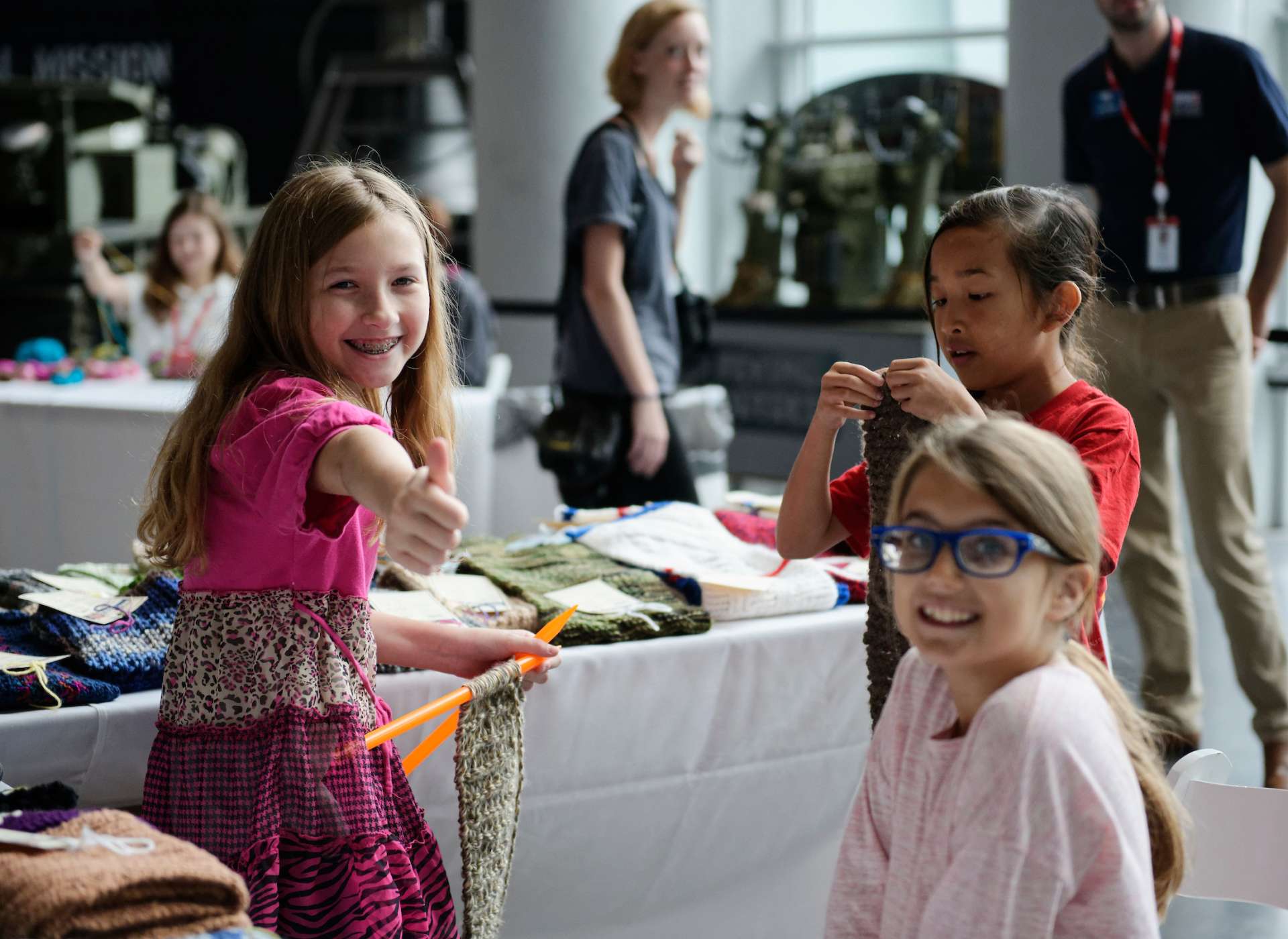
  • We love getting scarves from groups of knitters and crocheters around the country, through church groups or other cleverly named groups.  Pictures are great too, as it really helps us connect with all of you kind and generous crafters out there!


Back to top


NEW For Your Information 

We are happy to receive any scarf that you take the time to knit. However, we do have a couple of requests:

1. Keep it gender-neutral.  Yes, we know there are female veterans, but please don’t send eyelash yarn, fun fur or pastels.
2. Include care instructions for your yarn.  Attach them to your scarf if possible.
3. Scarves or squares only please. There are other great organizations out there for hats and other things you may like to knit.

Back to top 


Knitting during World War II 

knitting in World War IIOn the Home Front during World War II, knitting served as one more way Americans could support the war effort. The November 24, 1941 cover story of the popular weekly magazine Life explained “How To Knit.” Along with basic instructions and a pattern for a simple knitted vest, the article advised, “To the great American question ‘What can I do to help the war effort?’ the commonest answer yet found is ‘Knit.’” Thousands of Americans picked up their needles to knit socks, mufflers, and sweaters to keep American soldiers warm and provide them with a home-made reminder of home.

Many of those knitting items for soldiers during World War II had Knit for Victory as children or young adults during World War I. Knitting provided warmth and comfort for the soldier and therapeutic distraction and a sense of civic participation for the knitters. First Lady Eleanor Roosevelt was often photographed knitting for the war effort or at least carrying her voluminous knitting bag. In the evening listening to war news on the radio, idle hands were turned to service as Americans once again knit for victory.

The Red Cross supplied patterns for sweaters, socks, mufflers, fingerless mitts (which allowed soldiers to keep their hands warm while shooting), toe covers (for use with a cast), stump covers, and other garments. Cold, wet, sore feet were the enemy as surely as German or Japanese troops. Socks wore out much faster than sweaters, and needed changing many times more frequently. These were to be knitted in olive drab or navy blue wool yarn. Surviving patterns show that these knitting patterns were typed and retyped with carbon-paper copies and shared among the knitters. Many knitters chose to knit the same item in the same size again and again so that they could memorize the pattern and produce pieces more quickly.

“The Navy needs men, but it also needs knitters” newspapers cried. Church basements, school lunchrooms, and members-only societies all had knitters busily clicking their needles. Their handiwork was destined to warm and protect, and fated to suffer with the soldiers. After the war, some knitters dropped their needles for good. Others kept on knitting throughout their lives in a wide variety of colors – any color, many swore but Army-issued khaki or olive drab!

 Back to top

Powered by Convio
nonprofit software