Article Type
For This We Fight
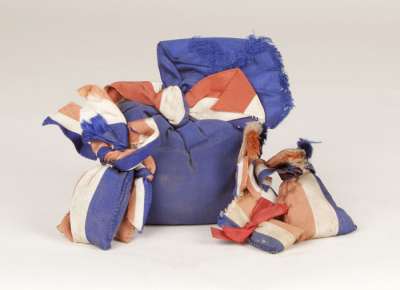
How soil from Mississippi, and subsequently all over the country, ended up spread across the globe during World War II.
How soil from Mississippi, and subsequently all over the country, ended up spread across the globe during World War II.
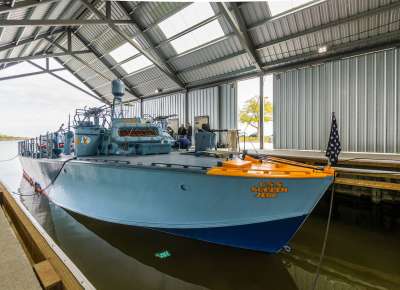
Read how the world's only fully restored, combat-veteran PT boat got its flashy paint job, and why.
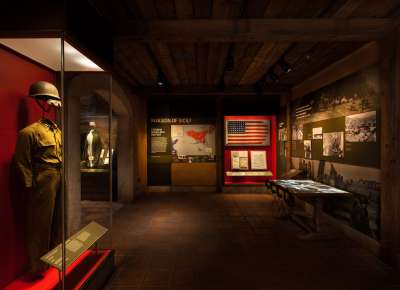
On July 10, 1943, the Allies launched Operation Husky before sunrise, a massive amphibious assault on the southern shores of the island.
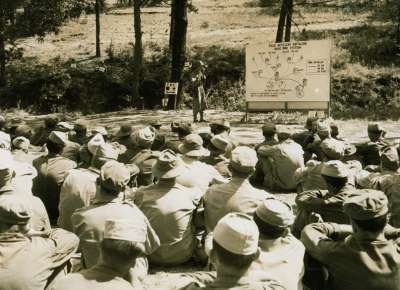
Americans like to think of World War II as a “great crusade,” but if it was, the country certainly didn’t seem all that fervent about rushing into it. Think of it: by the usual reckoning, World War II lasted six years, from the invasion of Poland on September 1, 1939, to Japan’s surrender on board the USS Missouri on September 2, 1945. US participation spanned less than four years of that total, a little over half the war. Of seven campaigning seasons, the United States missed the first three and was active only in the final four.
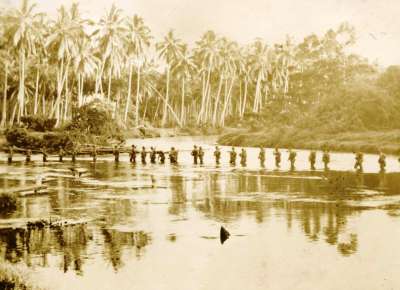
After the US strategic victories at the Battles of the Coral Sea (May 7–8, 1942) and Midway (June 4–7, 1942), the Japanese Imperial Navy was no longer capable of major offensive campaigns, which permitted the Allies to start their own offensive in the Pacific.
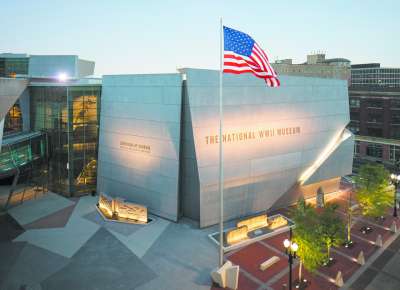
Available on the last Saturday of each month, Sensory Friendly Mornings are for individuals of all ages with special needs and their families to enjoy early access to the Museum with modifications to make the experience more sensory friendly.

Honoring the legendary female singing groups from the 1930s to the 1960s and beyond.

The Museum's outdoor sound and light show features incredible music, stunning imagery, festive snacks and beverages, and 90-foot-tall projections.