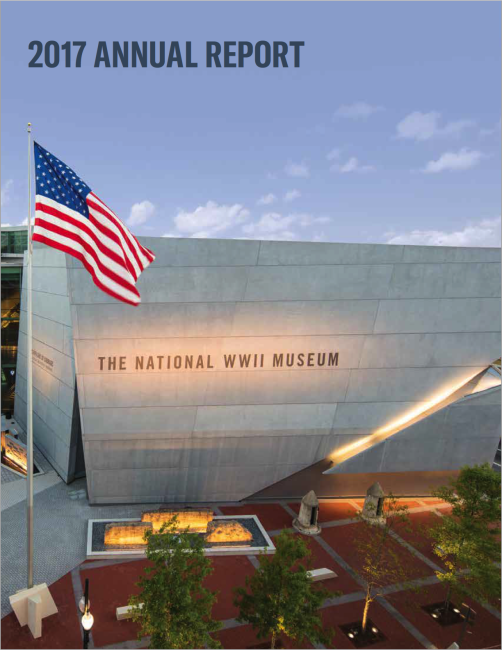
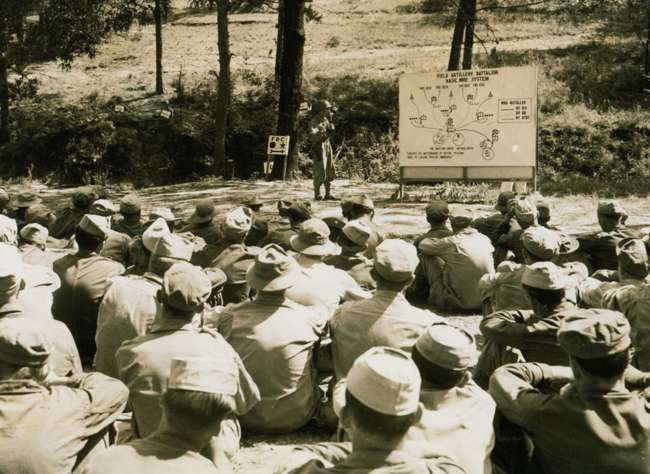
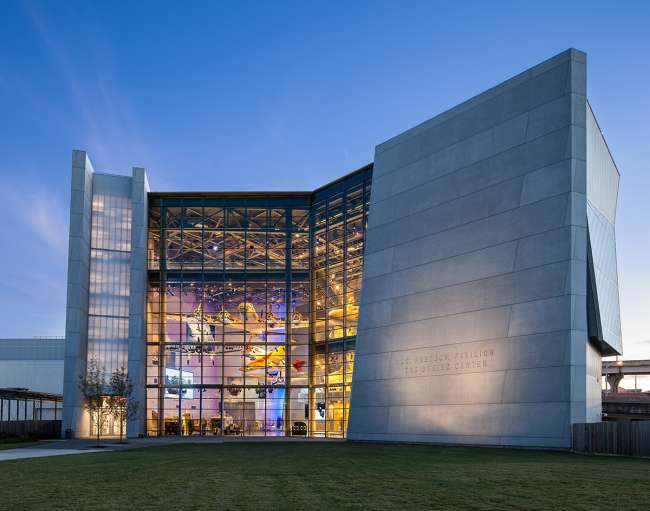
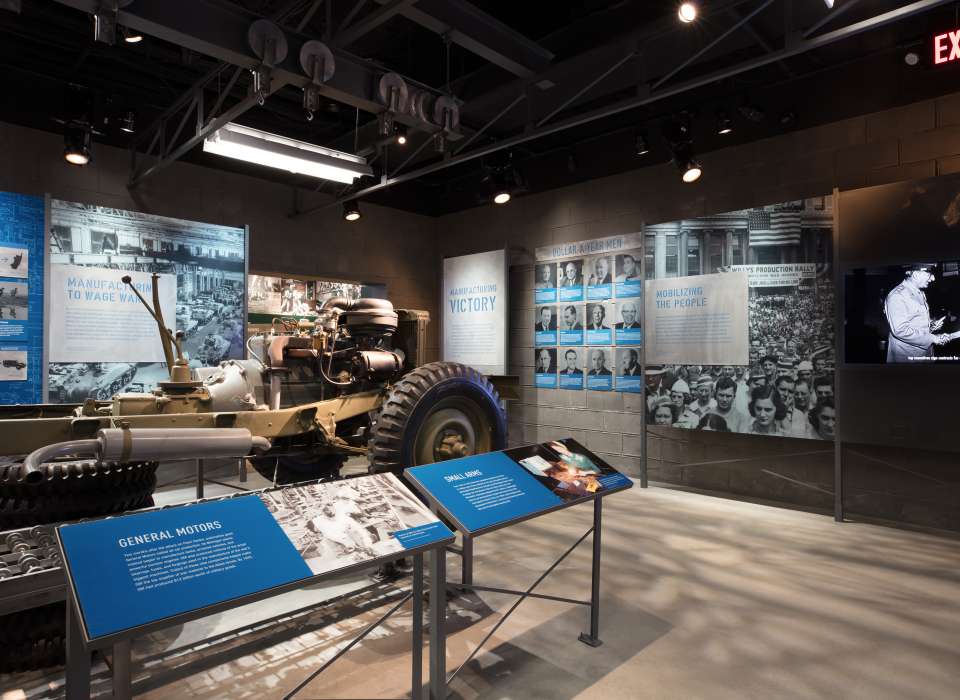
Offering a compelling blend of sweeping narrative and poignant personal detail, The National WWII Museum features immersive exhibits, multimedia experiences, and an expansive collection of artifacts and first-person oral histories, taking visitors inside the story of the war that changed the world. Beyond the galleries, the Museum's online collections, virtual field trips, webinars, educational travel programs, and renowned International Conference on World War II offer patrons new ways to connect to history and honor the generation that sacrificed so much to secure our freedom.
Our Mission
The National WWII Museum tells the story of the American experience in the war that changed the world—why it was fought, how it was won, and what it means today—so that all generations will understand the price of freedom and be inspired by what they learn.
Our Team
Great people have been the secret to the Museum's success from the very beginning. Learn more about our Museum leadership, founders, and the Board of Trustees.

Notes From The Museum
Keep up to date with the latest from The National WWII Museum.
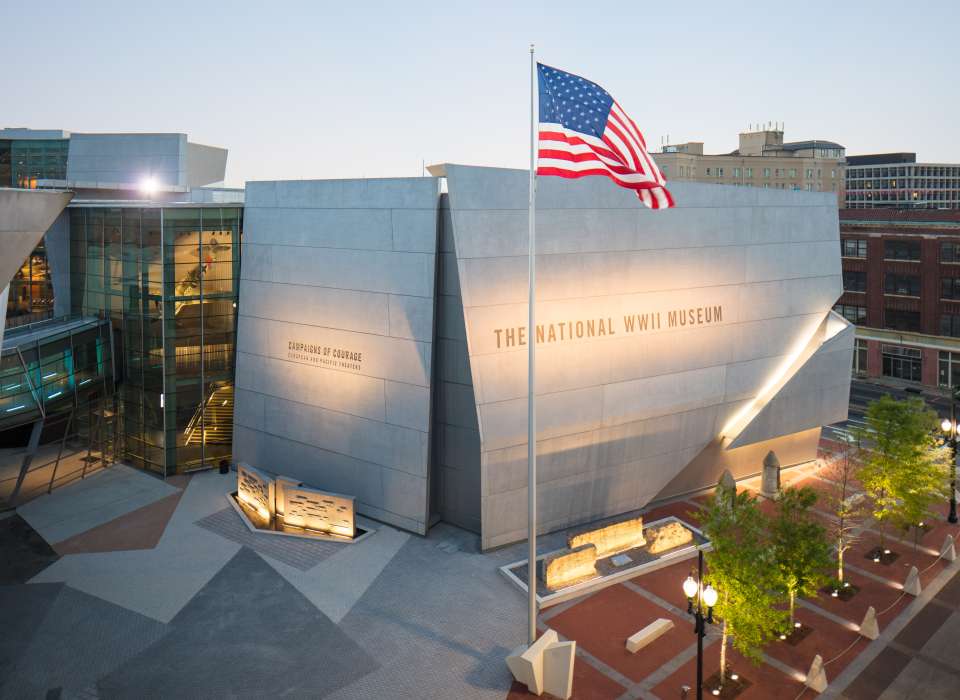
Our Campus
Designated by Congress as the official WWII museum of the United States, The National WWII Museum is located in downtown New Orleans on a six-acre campus, where six soaring pavilions house historical exhibits, on-site restoration work, a period dinner theater, and restaurants.
Our Partners
From its inception, the Museum has considered partnerships and collaborations an essential element of the institution’s operations and planning.
American Spirit Awards
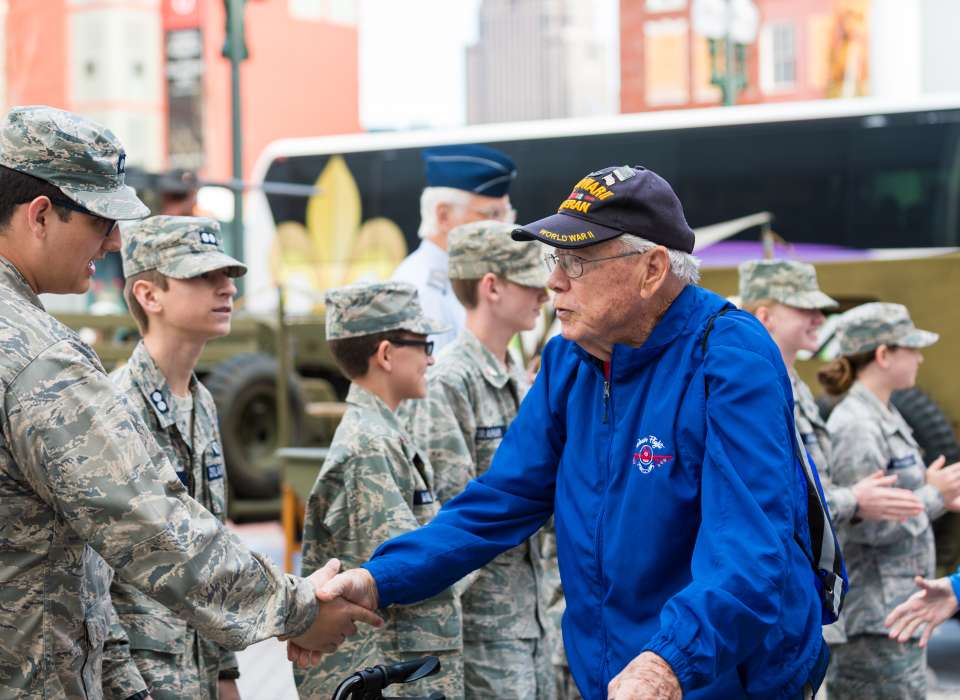
The American Spirit Awards is a gala celebrating individuals and organizations whose work reflects the values and spirit of those who served our country during World War II. We honor those who inspire others through their own acts of courage, sacrifice, initiative and generosity—particularly in the areas of leadership, service to country or community, and education.
Our Collections
Our expansive collections include more than 250,000 artifacts and over 9,000 personal accounts supporting major exhibits and research.
ADDITIONAL RESOURCES
-

-
-
Privacy Policy
The National WWII Museum is committed to protecting the privacy of its users and any personal information that they may share with us or that we hold.